How quickly can a temporary repair contain an electrical hazard?
A temporary repair can contain an electrical hazard after Service Electric isolates the fault and shuts off unsafe power. The timing depends on the fault location, access, and condition of the circuit. We then test the affected wiring and explain whether the temporary measure is enough or a lasting repair is needed.
What does an emergency electrical visit include?
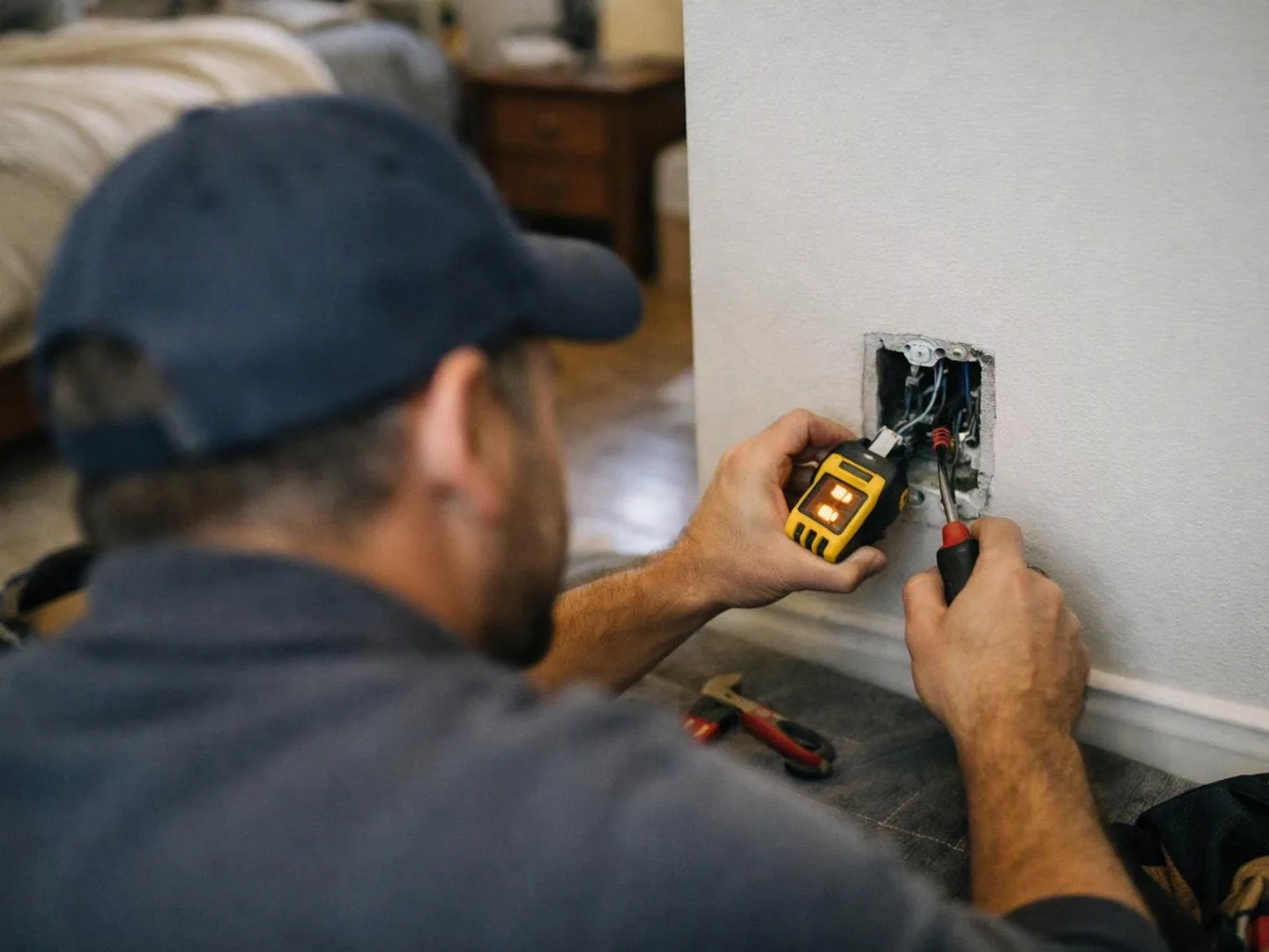
An emergency electrical visit includes inspection, circuit tracing, power isolation, repair work, and testing. We check the panel, breakers, outlets, switches, and visible wiring that connect to the fault. Customers receive an explanation of the findings and a free estimate for recommended work.
Which material changes how long urgent electrical repair takes?
Damaged wiring often changes the repair time because access, circuit tracing, and testing become part of the work. Aluminum conductors, older cable, and concealed wiring can also affect the repair path. We inspect the material first and explain whether the fault needs a focused repair or broader wiring work.
How does an emergency electrical visit move from the first call to the last step?
The visit moves from symptom review to inspection, isolation, repair, and final testing. We identify the affected circuit, control unsafe power, repair the fault, and verify the connected outlets or devices. The customer then receives the findings and any follow-up recommendation.
When does a breaker problem need more than a reset?
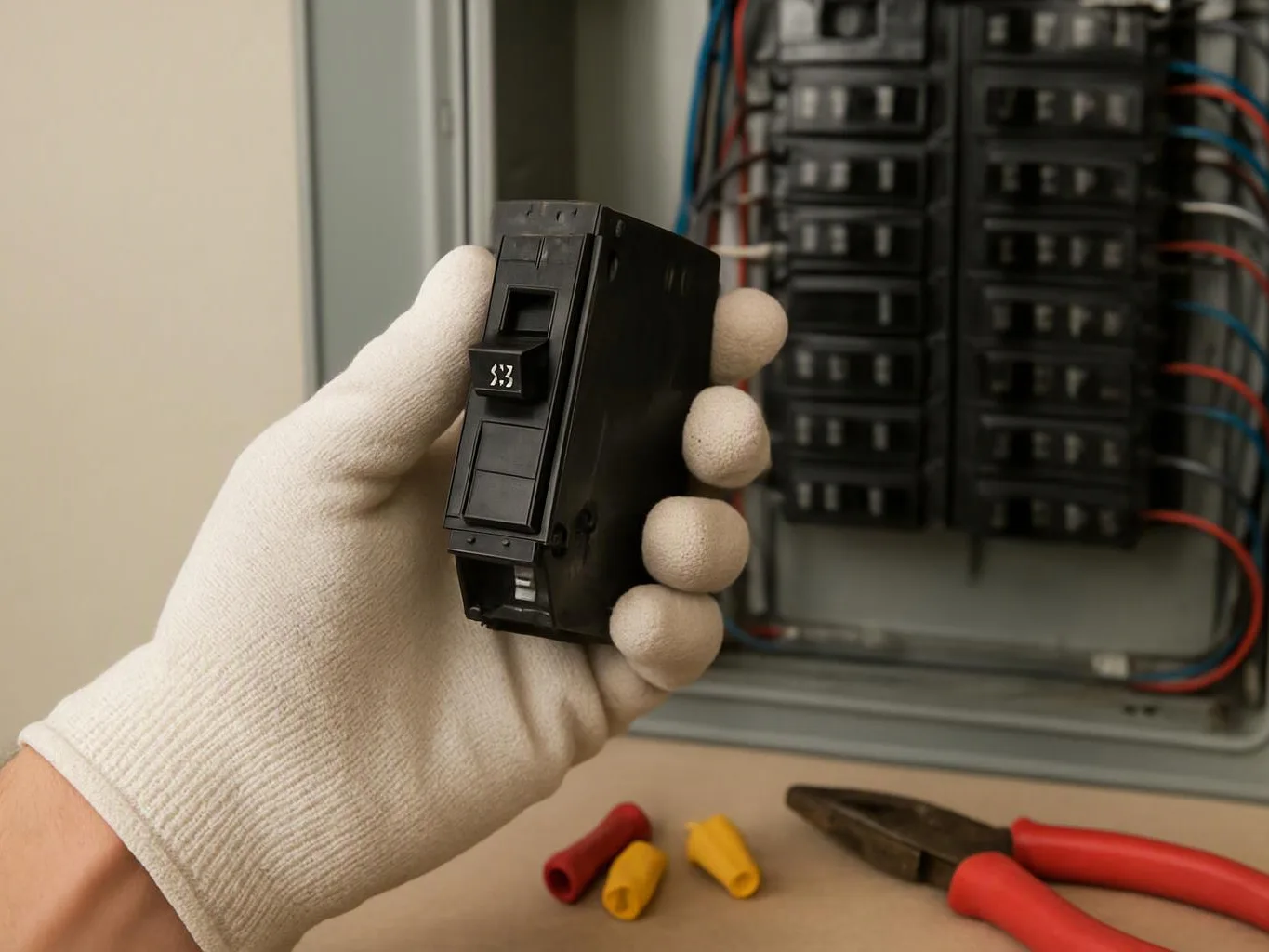
A breaker problem needs further testing when the breaker trips again, the panel buzzes, or connected outlets feel warm. Stop using the affected circuit and avoid repeated resets. We check for overloads, damaged devices, loose connections, and wiring faults before recommending repair or a panel upgrade.
Why might an outlet repair lead to a panel inspection?
An outlet repair can lead to a panel inspection when testing finds a circuit, grounding, or breaker fault upstream. We inspect the panel because the outlet may only show the symptom. The result can be a focused device repair, grounding correction, or a recommendation for broader electrical work.
How can a customer tell whether urgent repair fits the property?
Urgent repair fits a property when an electrical fault affects safety, power, or basic operation. Flickering lights, sparking outlets, burning smells, buzzing panels, and repeated breaker trips need inspection. Planned lighting, renovation, and new construction work should follow a scheduled project review.