What symptoms indicate a hidden electrical fault?
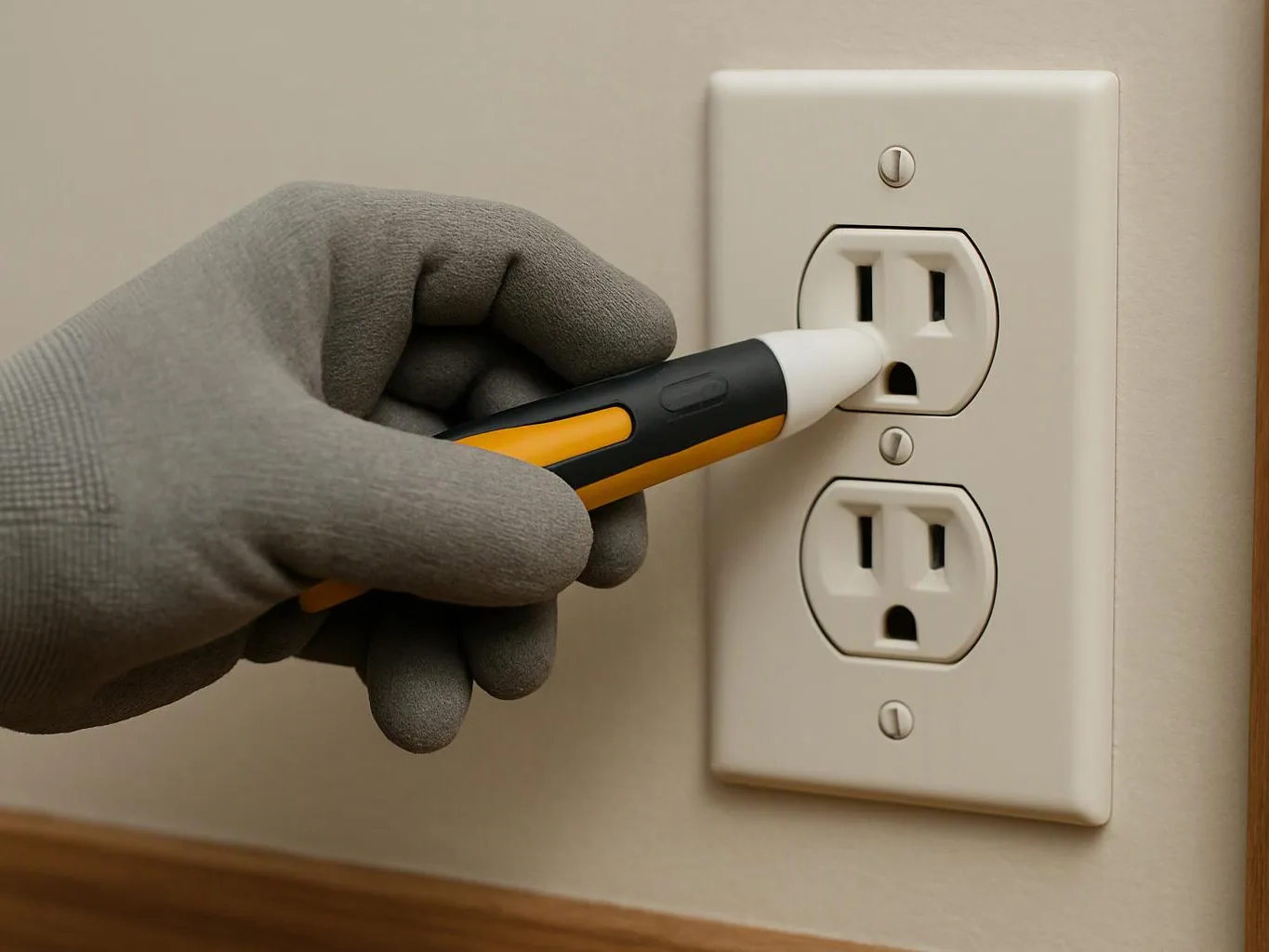
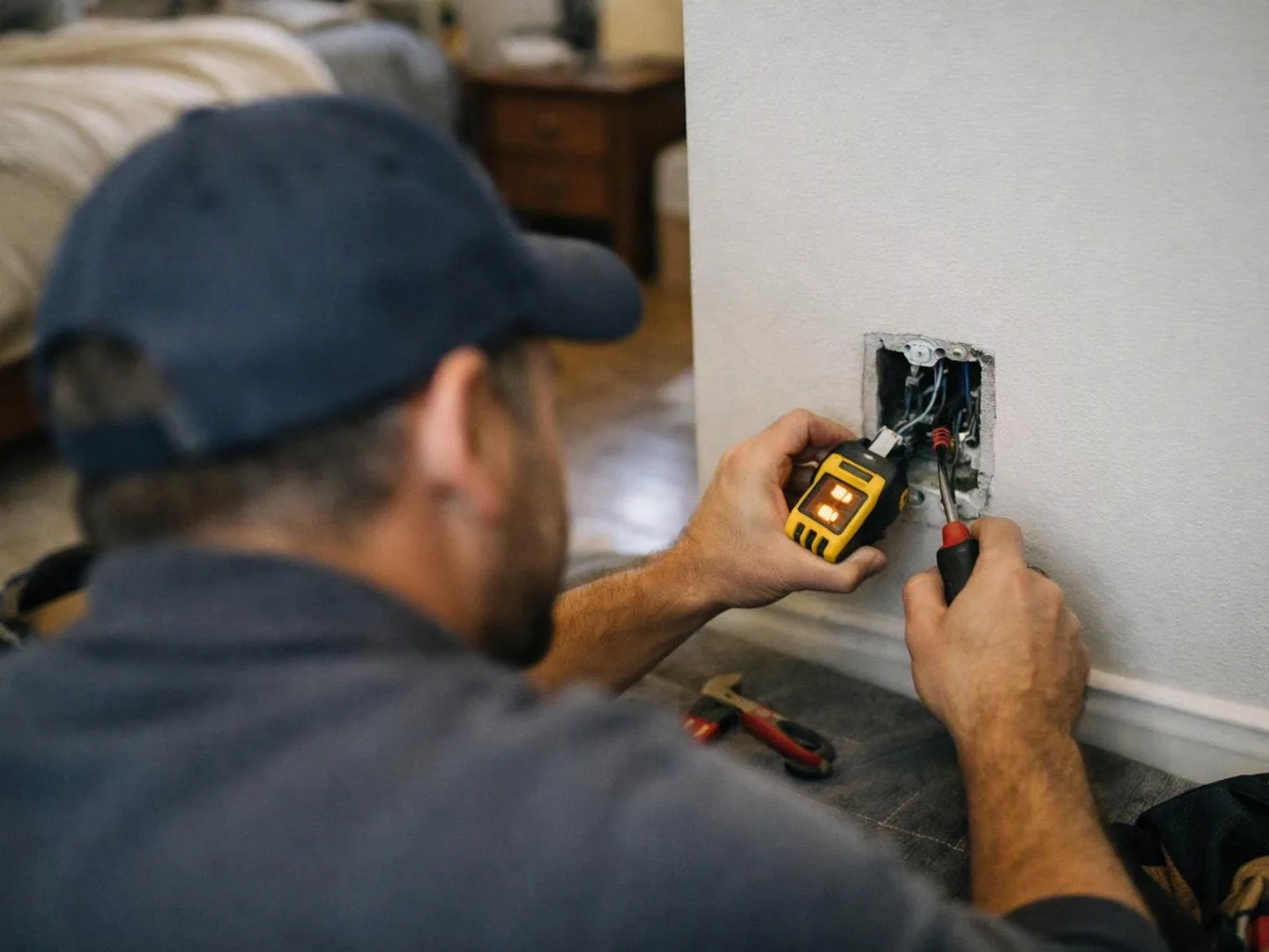
Outlet buzzing, flickering lights, warm switches, and repeated breaker trips can indicate a hidden electrical fault. Service Electric checks the affected device, circuit, wiring, and panel connections to find the source. Stop using equipment that sparks, smells burnt, or feels hot. Share the symptom and its pattern when requesting an assessment.
How is troubleshooting matched to the property before work starts?
The property type, electrical layout, reported symptom, and panel condition guide the troubleshooting plan. We ask about the affected room, equipment, circuit behavior, and recent changes. That information helps us decide where to begin, what access is needed, and whether the issue fits a focused repair or wider inspection.
Which condition on the property changes the time for troubleshooting?
Limited access to wiring, several affected circuits, damaged panel parts, or an unclear circuit path can add work to the assessment. We check those conditions before setting the repair scope. Customers can help by clearing access to the panel and identifying every outlet, switch, or light connected to the symptom.
What should be ready before electrical troubleshooting starts?
Access to the panel and affected electrical areas should be ready before troubleshooting starts. Customers should note the symptom, recent electrical changes, equipment in use, and any breaker activity. Photos can help explain visible damage, but customers should not remove covers or handle damaged wiring.
When does a tripped breaker need more than a reset?
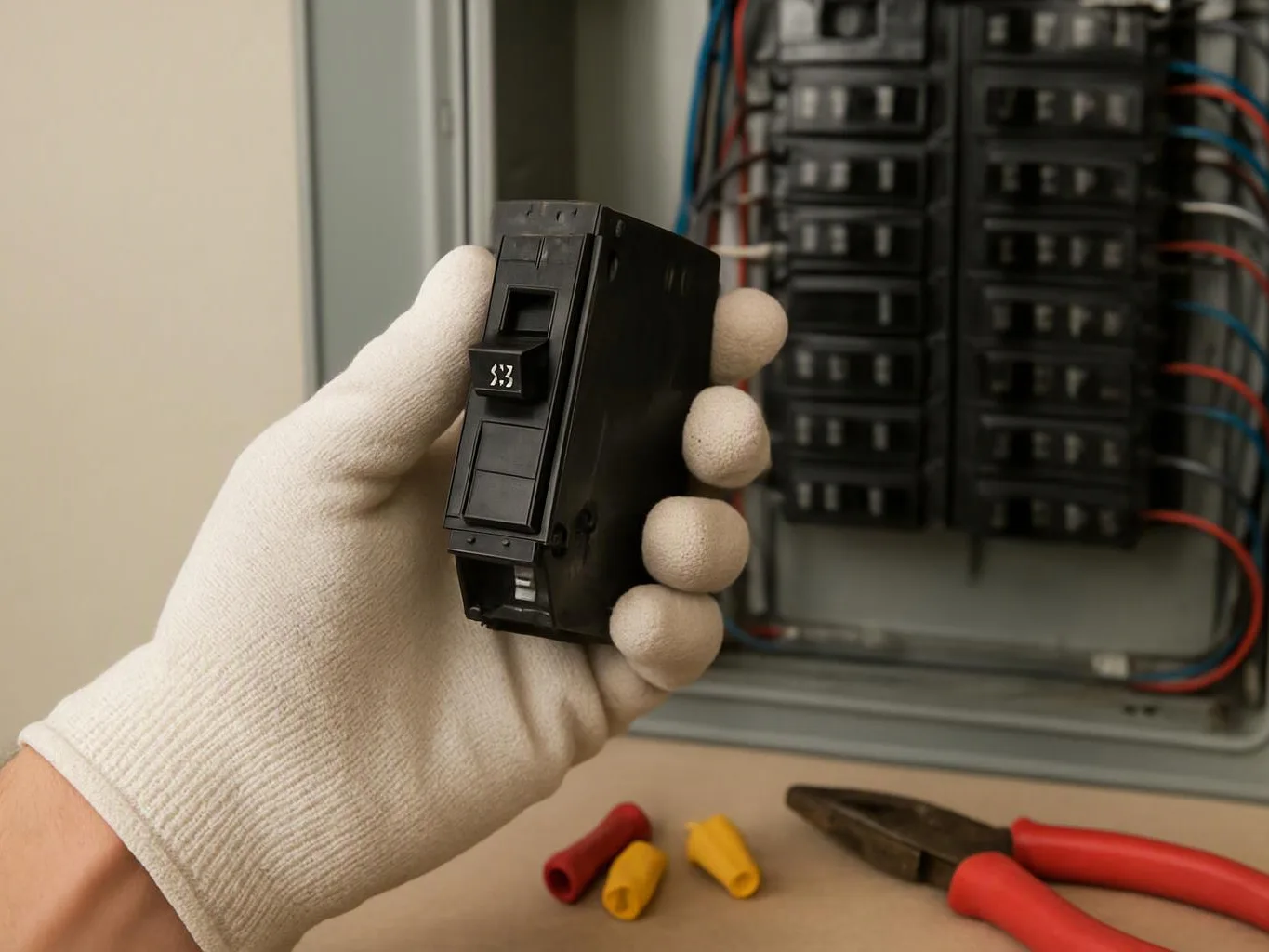
A breaker that trips again needs diagnosis instead of repeated resets. We check the connected load, wiring, devices, and panel before deciding on repair. Leave the breaker off if it trips repeatedly or if the circuit shows heat, smoke, sparking, or a burning smell.
Can electrical troubleshooting include panel and wiring repairs?
Yes, electrical troubleshooting can lead to panel or wiring repairs when testing connects the fault to those parts. We first isolate the problem and explain the repair scope. A panel upgrade, service entrance upgrade, or new wiring plan is handled as additional work when the property needs it.
Why should a warm switch be checked promptly?
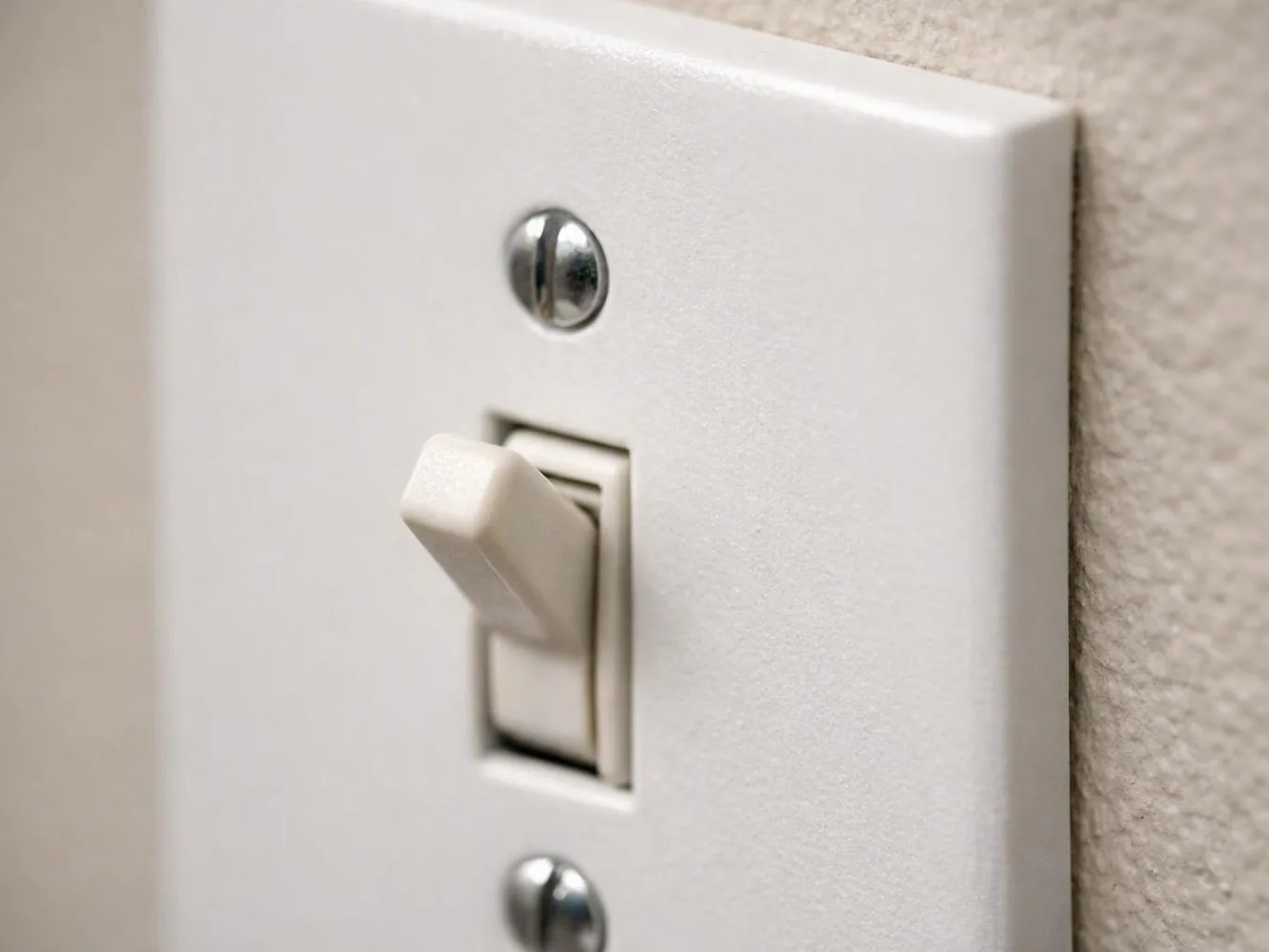
A warm switch can point to a loose connection, damaged device, overload, or wiring fault. We inspect the switch, box, connected circuit, and breaker to identify the cause. Stop using the switch if it becomes hot, smells burnt, sparks, or shows discoloration.