Which electrical problems require emergency repair?
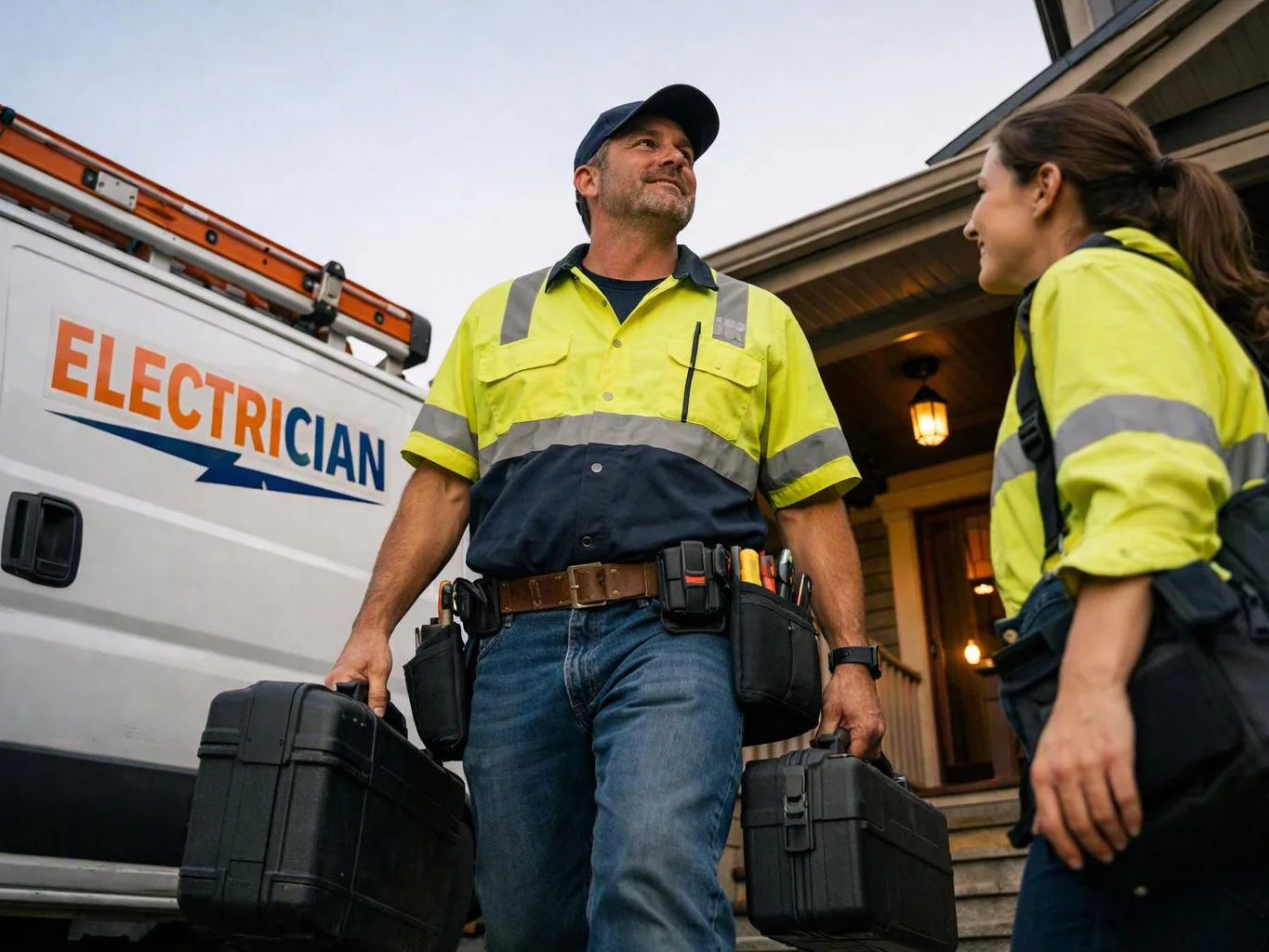
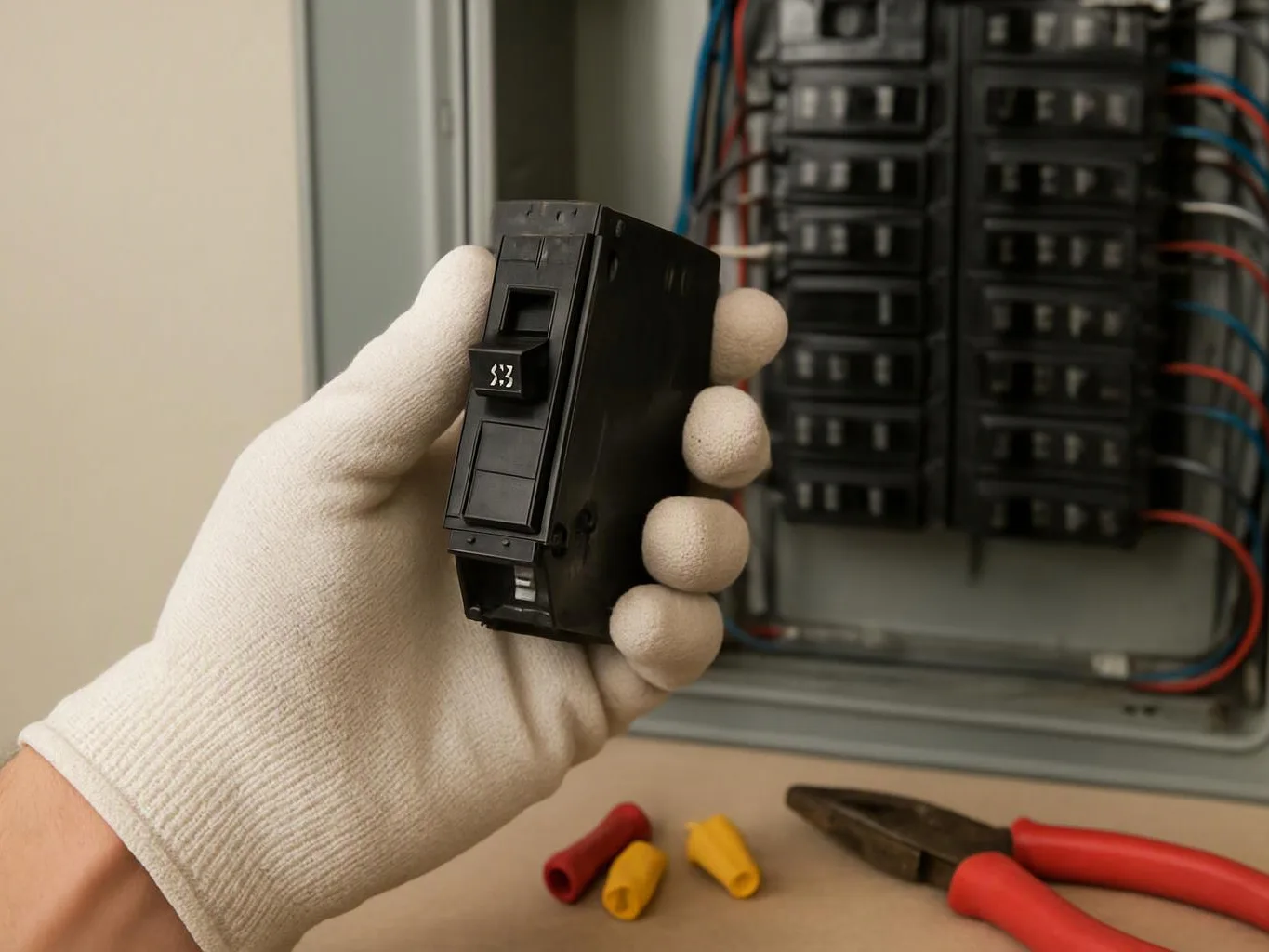
Power loss, burning odors, sparking outlets, exposed wiring, and buzzing panels require emergency electrical repair. Service Electric isolates the affected area and checks the circuit, connections, breaker, and panel. Stop using the affected equipment and keep clear of damaged wiring until the issue receives an electrical assessment.
What does the crew look at first during an electrical emergency?
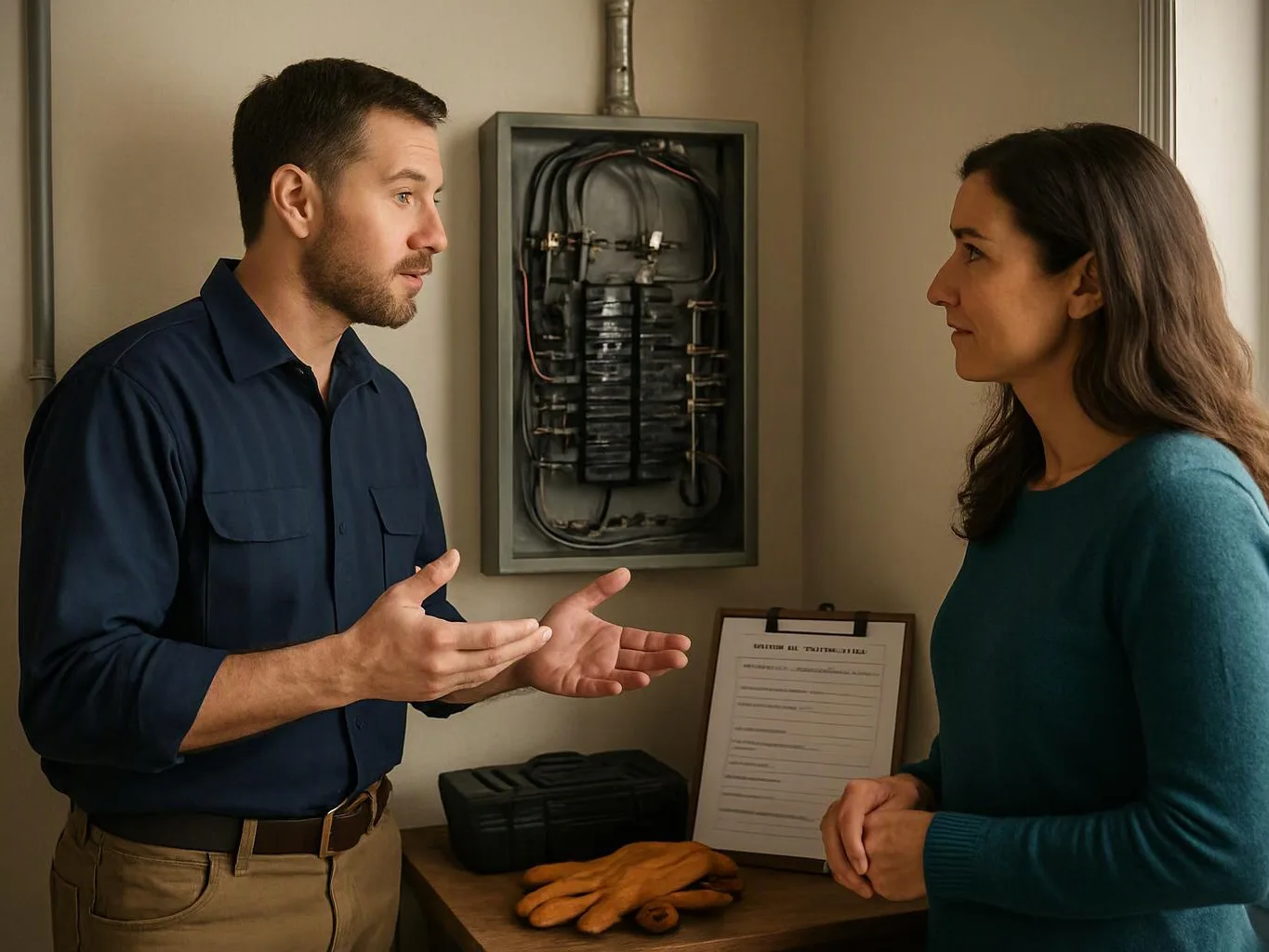
The first check covers immediate hazards, the affected circuit, and the main electrical panel. We look for heat, smoke odor, loose connections, damaged insulation, and breaker activity. Customers should provide access to the panel and identify which outlets, rooms, or equipment lost power.
How does emergency electrical repair differ from a planned upgrade?
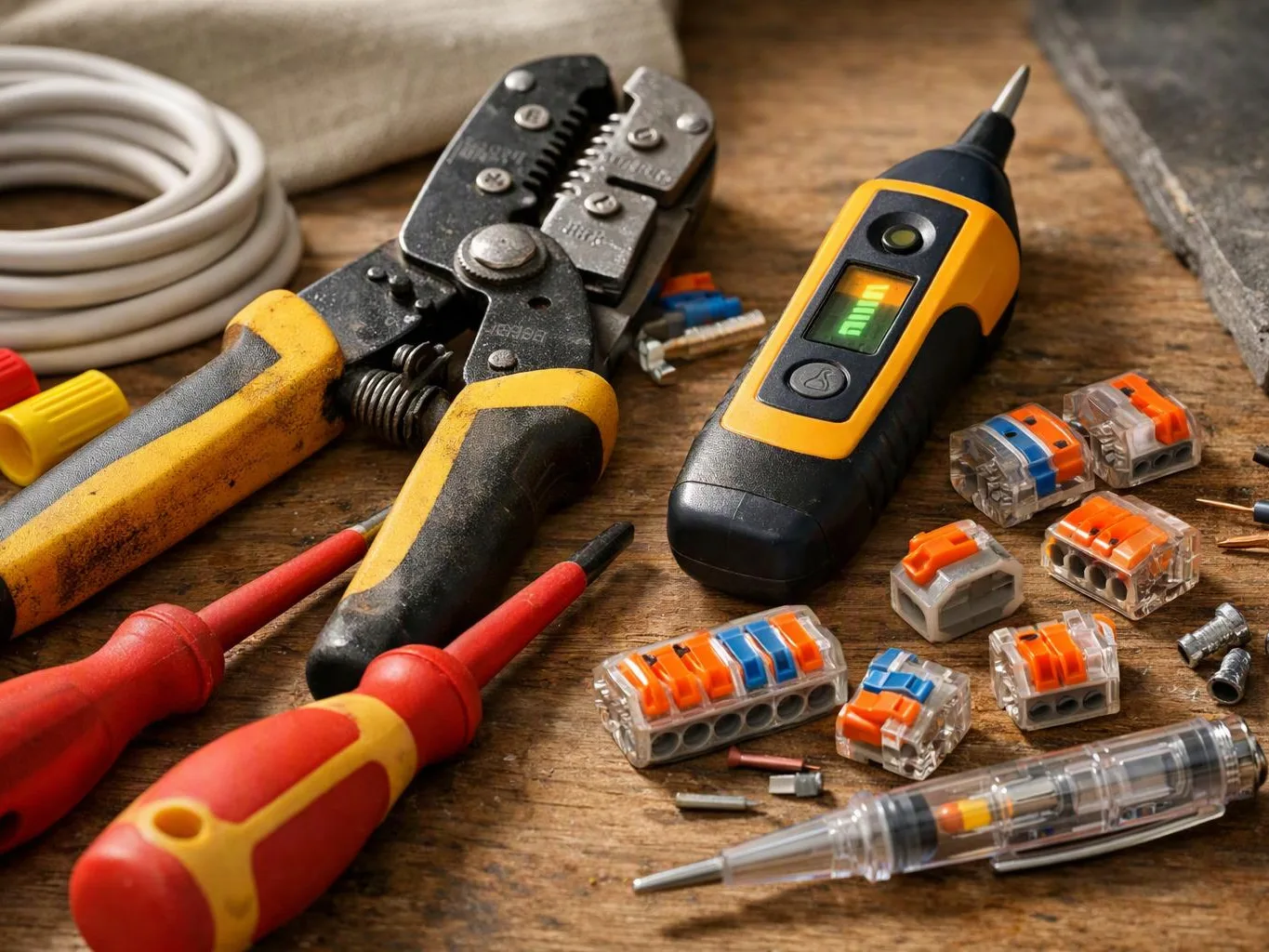
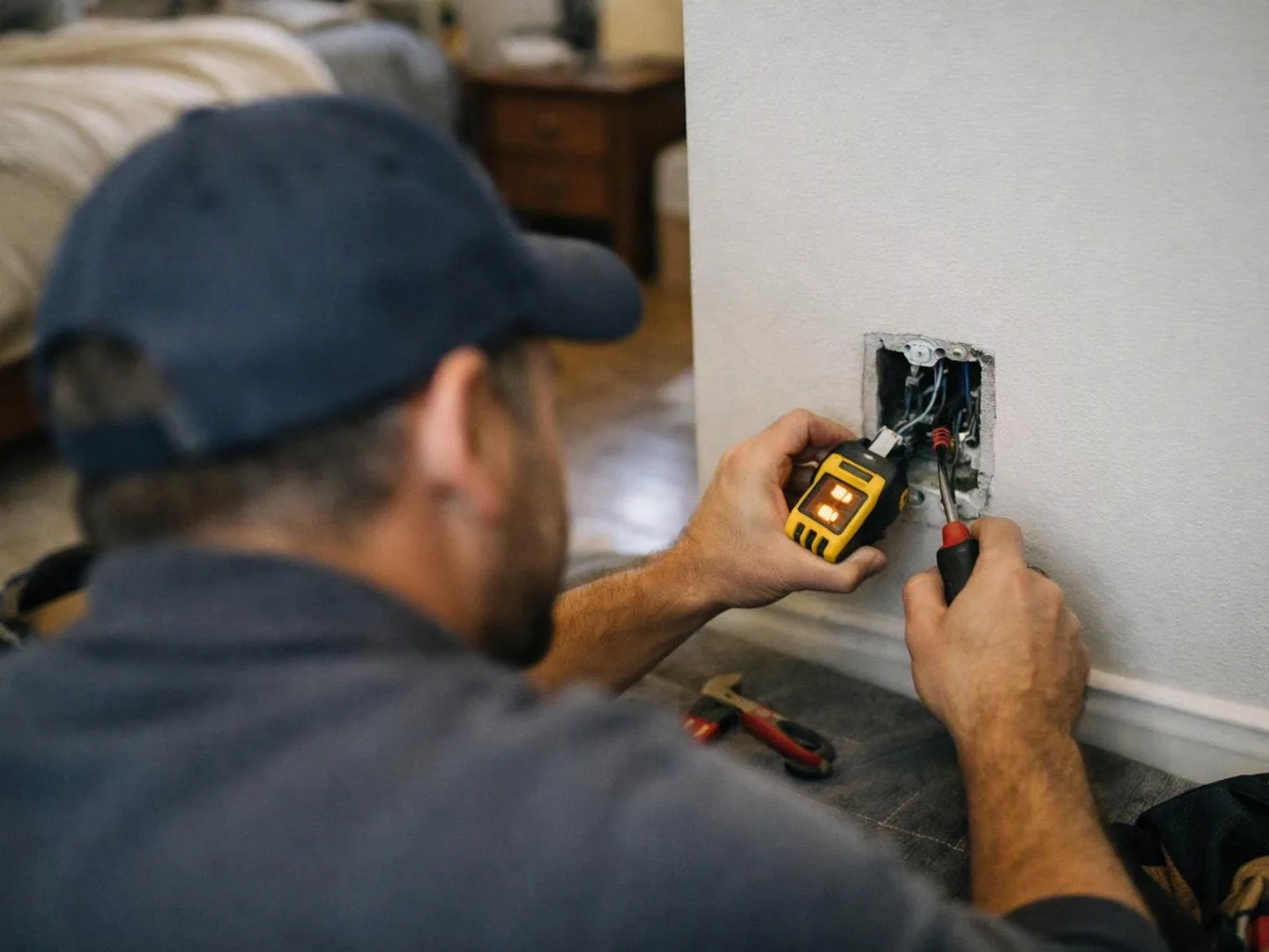
Emergency electrical repair addresses an active fault or safety concern, while a planned upgrade improves capacity or function before failure. We use circuit testing and fault tracing for urgent work. Panel upgrades, EV charging installation, and new construction wiring require a separate planned scope.
Who is a good fit for emergency electrical repair, and who needs a different service?
Homeowners and businesses with an active electrical fault are a good fit for emergency repair. Planned lighting, renovation wiring, and new construction need scheduled installation work. We assess the symptom first, then explain whether a repair, panel project, or separate installation best matches the property.
What happens at each stage of emergency electrical repair?
Emergency electrical repair follows a direct sequence: we review the warning, isolate the circuit, trace the fault, complete the repair, and test the system. Access to the panel and affected area helps us work through each stage. We also explain any follow-up work when the fault involves broader wiring.
Why does a breaker keep tripping after I reset it?
A breaker that keeps tripping signals a continuing fault, overload, damaged wiring, or failing equipment. We test the circuit and inspect connected loads before deciding on repair. Leave the breaker off if it trips again, especially when you notice heat, buzzing, or a burning odor.
What should I provide when requesting an emergency electrical assessment?
A useful request includes the affected area, the warning sign, recent electrical changes, and whether the breaker trips or stays on. Photos can help show a damaged outlet or exposed wire, but do not approach an active hazard to take one. We use those details to plan the first inspection.