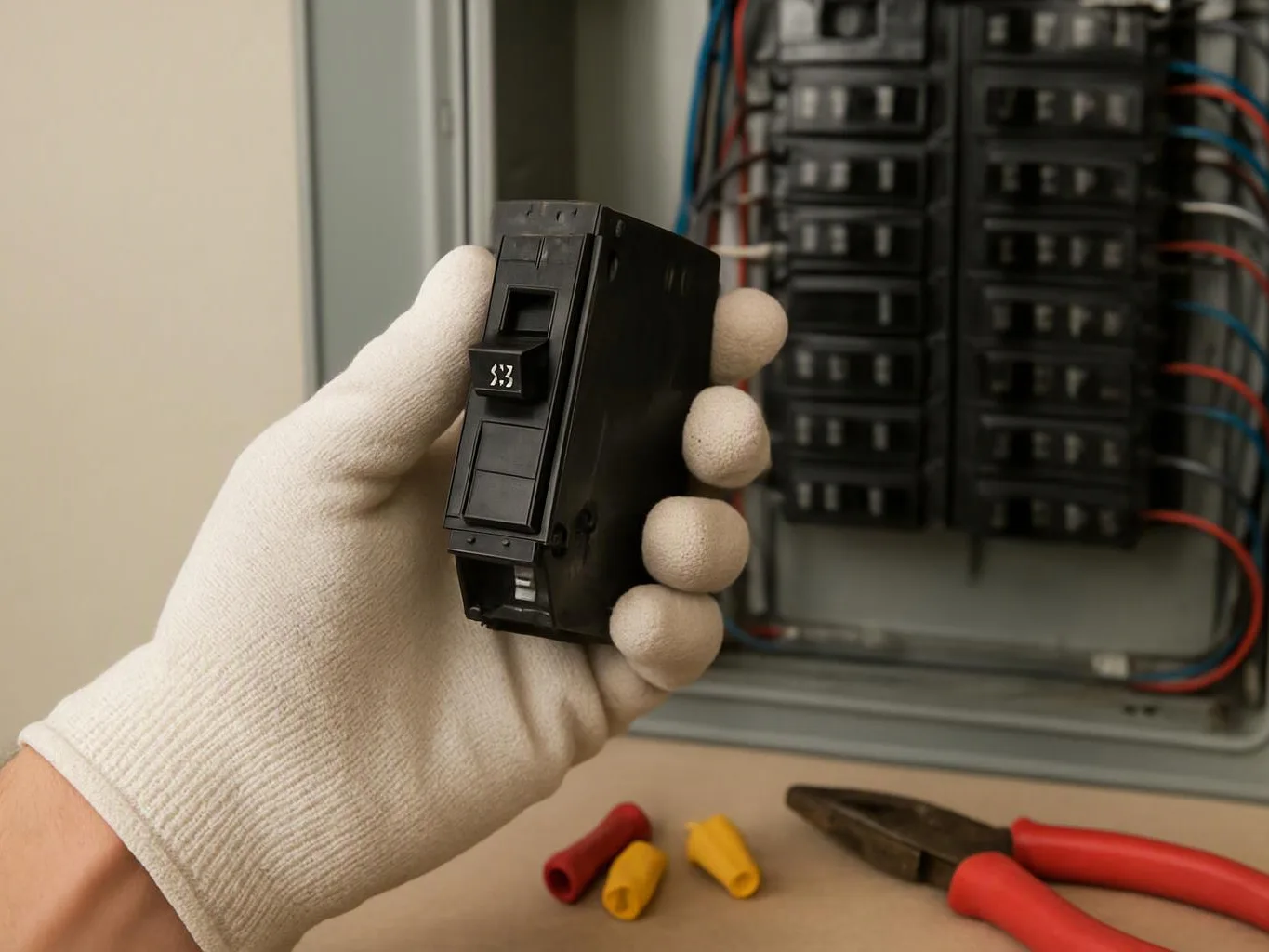
How quickly can fault testing contain an emergency electrical hazard?
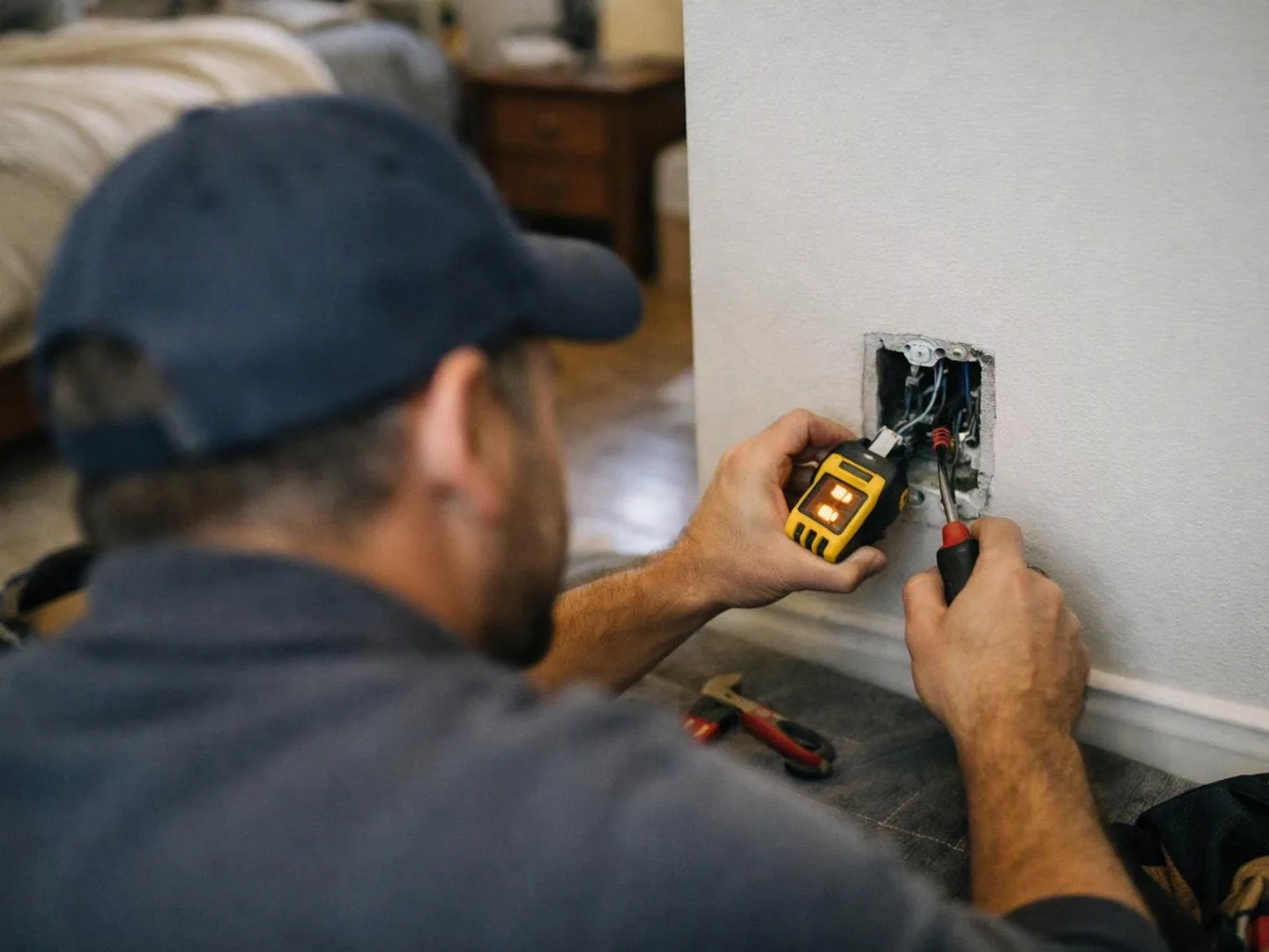
Fault testing can contain an electrical hazard once we isolate the affected circuit and control unsafe power. Service Electric checks the panel, breaker, wiring, outlet, or connected device tied to the symptom. The repair path depends on what testing finds. Keep clear of sparks, heat, smoke, and damaged outlets while arranging service.
What does the crew look at first during an emergency repair?
The affected circuit is the first focus during an emergency repair. We review the reported symptom, inspect the panel and breaker, and check nearby outlets, switches, and wiring. Heat, buzzing, burning smells, and visible damage help guide the inspection. Power stays isolated when a part appears unsafe.
What should be checked before electrical repair is scheduled?
The reported symptoms should be checked before electrical repair is scheduled. Note which rooms or equipment lost power, whether the breaker trips again, and whether you saw sparks, smoke, heat, or damaged outlets. Do not remove panel covers or keep resetting a breaker that will not stay set.
Who is a good fit for emergency electrical repair, and who needs a different service?
Service Electric provides emergency electrical repair for homes and businesses with active electrical faults. A planned lighting installation, ceiling fan installation, or renovation wiring job needs scheduled electrical work. A panel upgrade or generator service may begin with an emergency diagnosis, but the larger installation requires its own repair scope.
Which part of an electrical emergency changes the repair cost?
The damaged part and repair scope change the cost of an electrical emergency. Access, wiring condition, panel capacity, replacement parts, and testing needs also matter. We inspect the affected circuit and explain the work covered by the estimate before planned repairs proceed.
When should I stop resetting a tripped breaker?
Stop resetting a tripped breaker when it trips again or when you notice heat, buzzing, smoke, sparks, or a burning smell. Repeated trips can point to an overload, short circuit, damaged wiring, or a failed device. Leave the affected circuit off and request electrical troubleshooting.
Why do some electrical faults need temporary repair first?
Some electrical faults need temporary repair when the immediate danger can be contained but a lasting fix requires more work. Circuit access, damaged wiring, panel capacity, and replacement parts shape that decision. We explain what the temporary repair addresses and what planned work remains.