How to Prepare for an Emergency Electrician Visit
Preparing for an emergency electrician visit means making the electrical area safe, documenting symptoms, gathering access and system information, and keeping children and pets away; Service Electric uses those details to assess the problem and plan the repair or safety inspection.
Get a Free EstimateWhat to Do Before an Emergency Electrician Arrives
Preparing for an electrical emergency starts with protecting people, avoiding contact with unsafe equipment and preserving safe access to the affected area. Service Electric uses a clear description of the issue to plan the initial inspection.
Do not enter an area with fire, active arcing or water near electrical equipment. Move occupants to a safe location and contact emergency services when there is an immediate danger to life or property.
What Information Should You Provide When You Call?
Information about the electrical fault, affected areas, warning signs and access conditions helps Service Electric prepare for the visit. Describe only what you observed, and do not test equipment to gather more details.
How to Document an Electrical Problem Safely
Documenting an electrical problem safely means recording visible symptoms from a safe distance without touching damaged wiring or energized equipment. Service Electric can use clear details to compare the reported symptoms with the conditions found during inspection.
Write down when the fault began and what was operating at the time. Note unusual sounds, heat, smoke, a burning odor, flickering lights or repeated breaker trips.
You can take a photograph or video from a safe location if doing so does not bring you near exposed conductors, water or smoke. Do not remove covers, move damaged parts or approach equipment to improve the image.
Tell us the position of the circuit breaker only if you can see it safely. Damage documentation can support fault diagnosis, but electrical testing and repairs require our team.
How to Prepare Children, Pets and the Work Area
Children and pets should stay away from the affected area while the work area remains clear and accessible for Service Electric's crew. A restricted area helps prevent contact with an electrical shock hazard.
Do not clean smoke damage or water intrusion around electrical equipment before we inspect it. Preserving the area can help us identify the source and decide whether an emergency electrical repair or safety inspection is needed.
What May an Emergency Electrician Inspect?
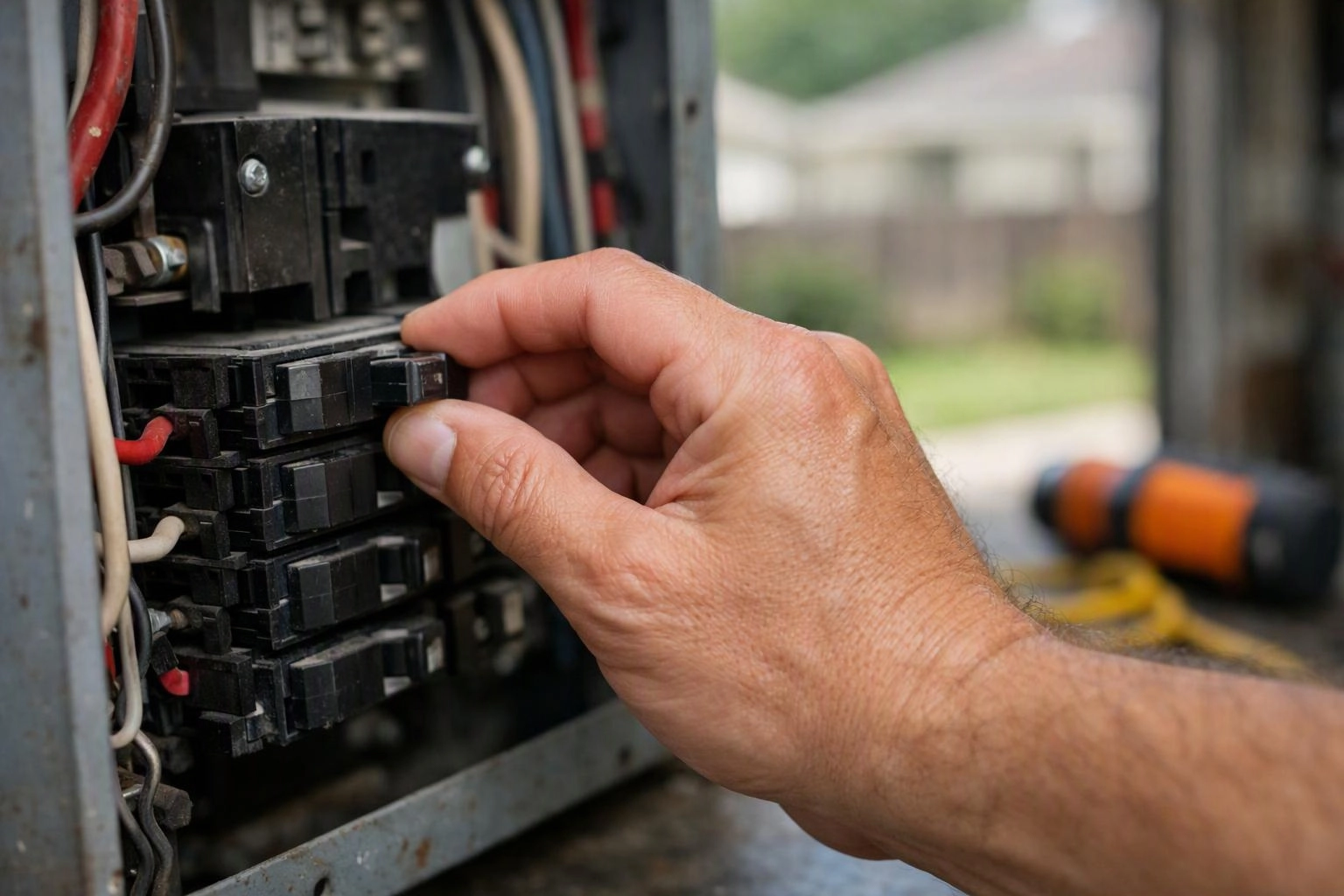
An emergency electrical inspection may trace the fault from the visible symptom through connected circuits, protective devices, wiring and affected electrical equipment. Our team selects the inspection path based on the reported fault and the conditions we can safely access.
| Area or component | What we look for |
|---|---|
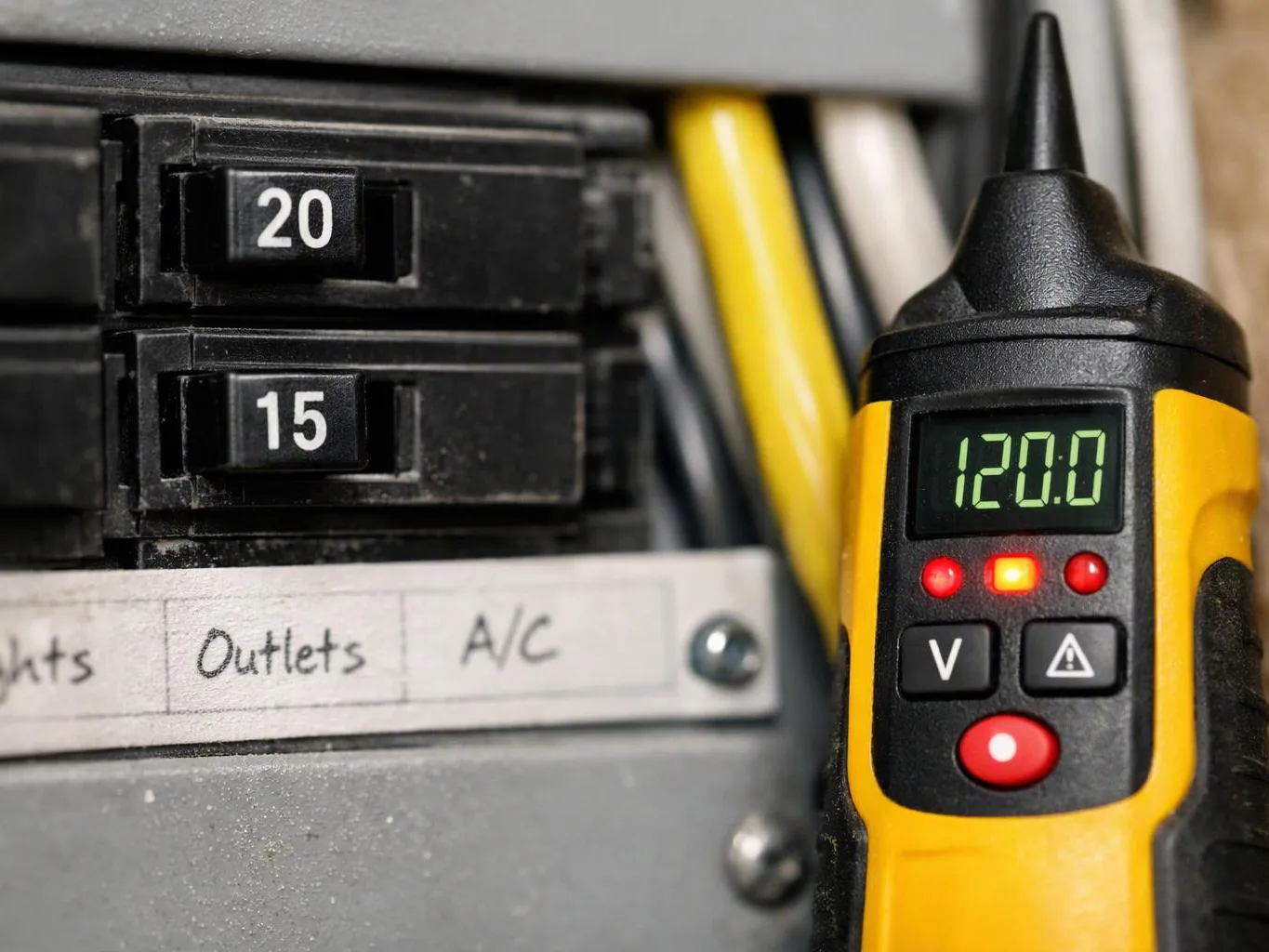
| Electrical panel and circuit breaker | Signs of overheating, damage, faulty operation or an interrupted circuit. |
| Electrical wiring | Visible damage, loose connections, heat effects and possible fault paths. |
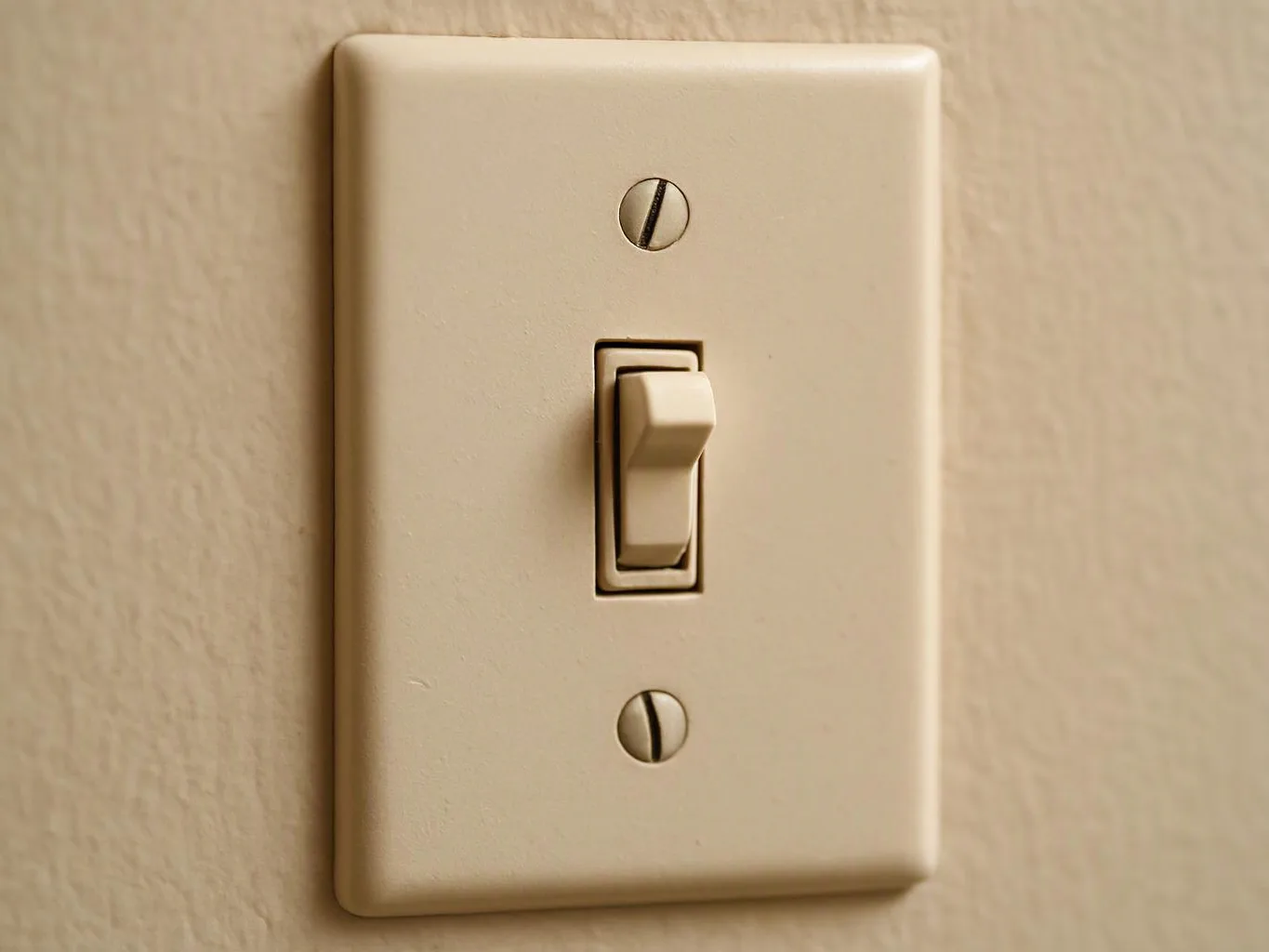
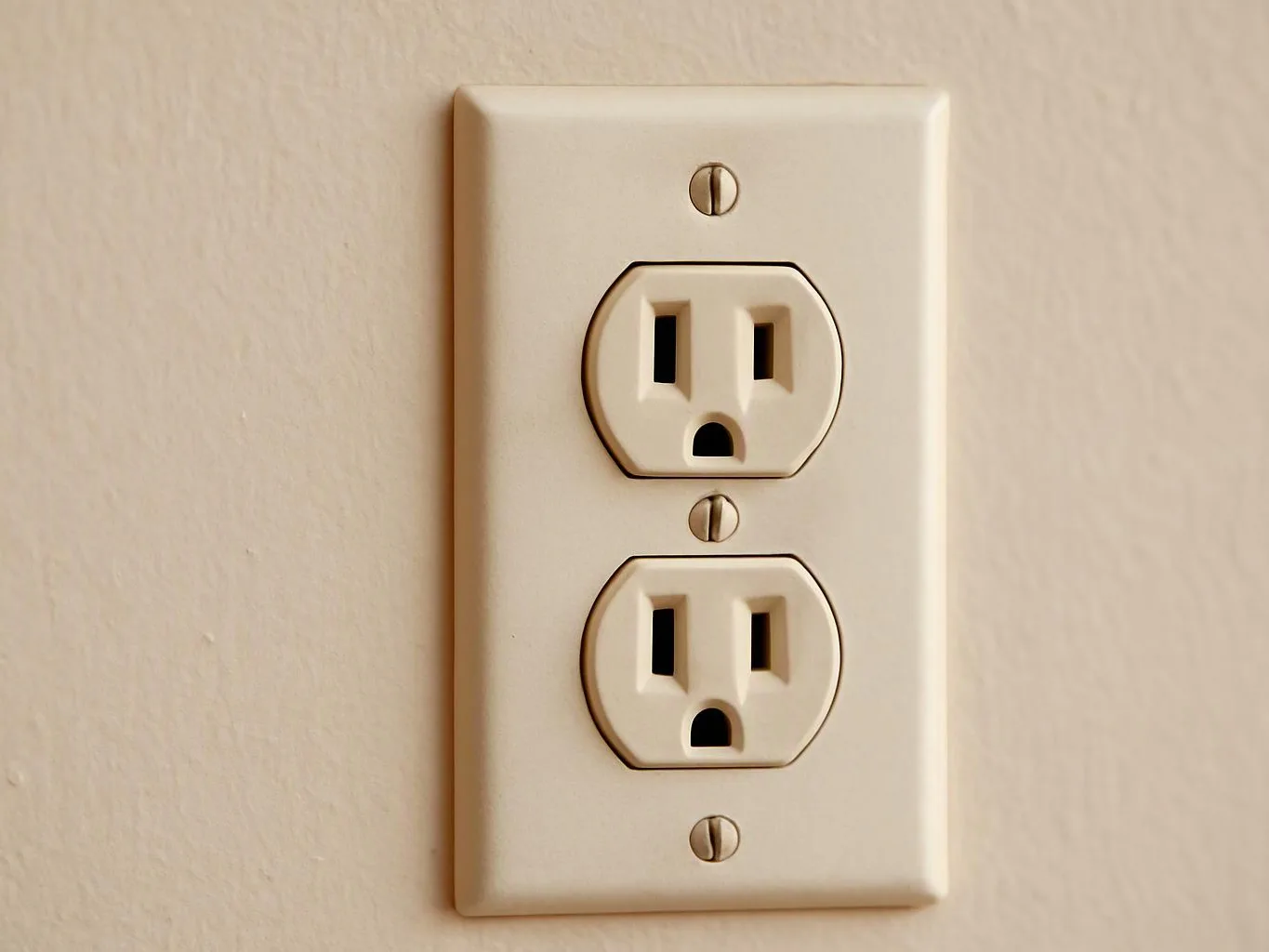
| Outlets and switches | Burn marks, looseness, unusual heat and signs of arcing. |
| Light fixtures and appliance connection | Connection condition, damage and links to the reported symptom. |
| Grounding and surrounding areas | Grounding concerns, smoke damage and water intrusion that may affect safety. |
What Happens During an Emergency Electrical Inspection?
An emergency electrical inspection begins with an assessment of the reported symptoms and continues with safe testing, fault isolation and repair planning. We first review what happened and identify hazards that could affect people or the property.
Our team then examines accessible parts of the circuit and uses electrical testing to trace the fault. Fault isolation helps separate the damaged component from other connected equipment.
After identifying the likely cause, we explain the hazard, available repair options and any safety recommendation. Emergency electrical repair may include making the affected circuit safe, replacing damaged components or correcting a wiring problem.
What Should You Ask Before Electrical Work Begins?
Before electrical work begins, ask what caused the fault, which work is recommended, what the repair includes and how the estimate covers the planned work. Clear answers help you understand the repair scope before approving work.
How Service Electric Plans the Repair or Safety Inspection
Service Electric uses the reported symptoms and inspection findings to explain the repair or safety inspection plan. We connect the fault findings to the work needed so you can make an informed decision about the property.
Our team may recommend emergency electrical repair when damaged equipment or wiring creates an immediate safety concern. We may recommend an electrical safety inspection when the cause needs broader review or when several connected areas require checking.
Free Estimates Available. To request an estimate, share the fault symptoms, access details and any safe documentation you collected. We will explain what the planned work covers and answer questions about the inspection.
Questions About Preparing for an Emergency Electrician Visit
Should I turn off the breaker before an emergency electrician arrives?
Yes, turn off the breaker only when the electrical panel is dry and safe to reach. Service Electric recommends leaving the breaker off when resetting it causes smoke, sparks, heat or another warning sign.
Can I use an appliance after it causes an electrical problem?
No, stop using an appliance that causes sparking, smoke, a burning smell, heat or a tripped breaker. Keep the appliance disconnected only when unplugging it is safe, and do not touch it if water or damaged wiring is present.
What photos are useful for an electrical emergency?
Photos of visible scorch marks, smoke damage, damaged covers and the surrounding area can help explain an electrical emergency. Take photos only from a safe distance, and never move equipment or remove covers to improve the view.
What should I do if I smell burning from an outlet?
A burning smell from an outlet means you should stop using the outlet and keep people away from it. Turn off the circuit breaker only if reaching the panel is safe, and contact Service Electric for inspection.
Should I leave a tripped breaker off until the electrician arrives?
Yes, leave a tripped breaker off when resetting it causes another trip or any sign of heat, smoke or sparking. Do not repeatedly reset the breaker because the circuit may have a fault.
What should I clear around the electrical panel before service?
Clear furniture, boxes, stored items and other obstacles that block safe access to the electrical panel. Do not move anything that is hot, wet, smoking or connected to damaged wiring.
Contact Service Electric with the fault symptoms, access information and safe documentation you gathered. Our team can explain the next step for emergency electrical repair or an electrical safety inspection.
Get a Free Estimate