Commercial Electrical Repair and Installation Checklist
Commercial electrical repair emergency checklists prioritize people, isolate hazards, document symptoms, and identify installation needs; Service Electric handles the repair, planning, and installation work that follows.
Get a Free Estimate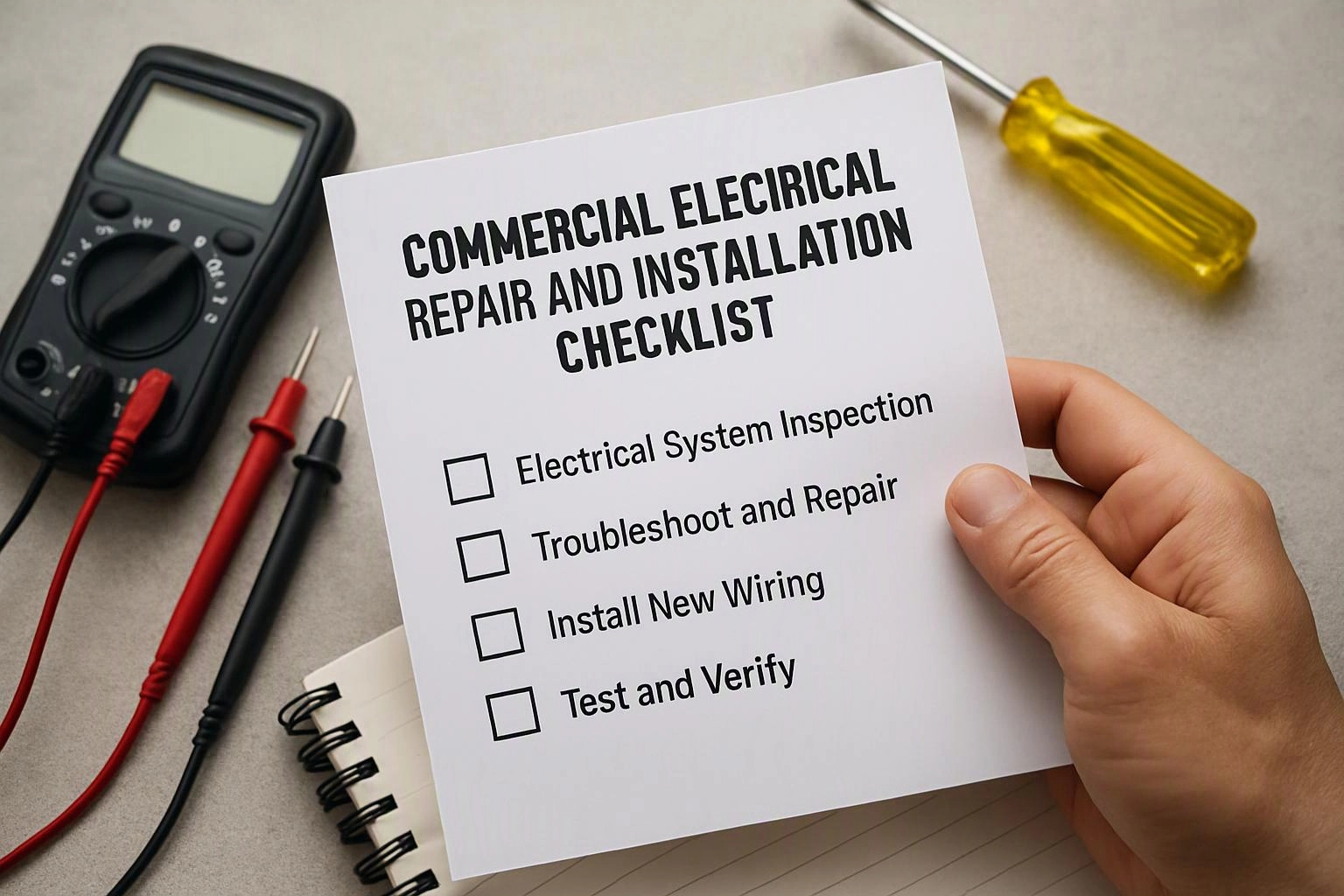
What to Check During a Commercial Electrical Emergency
Emergency electrical repair starts with life safety, hazard isolation, and clear information for Service Electric before repair work begins.
Do not touch exposed conductors, damaged equipment, or a panel showing signs of heat. Move people away from the affected area while our team prepares for safe electrical work.
When Commercial Repair and Installation Are Needed Together
Commercial electrical repair and commercial electrical installation belong together when failed equipment, a damaged circuit, or an operational change requires both restoration and new electrical capacity.
Our team checks whether the existing electrical system can support the planned work. These situations commonly require both services:
How Repair and Installation Work Together
Electrical diagnosis establishes the immediate condition, while commercial electrical installation addresses the equipment, capacity, or layout needed for reliable operation.
The combined scope determines the quote, materials, work sequence, and testing requirements.
How Service Electric Plans the Electrical Work
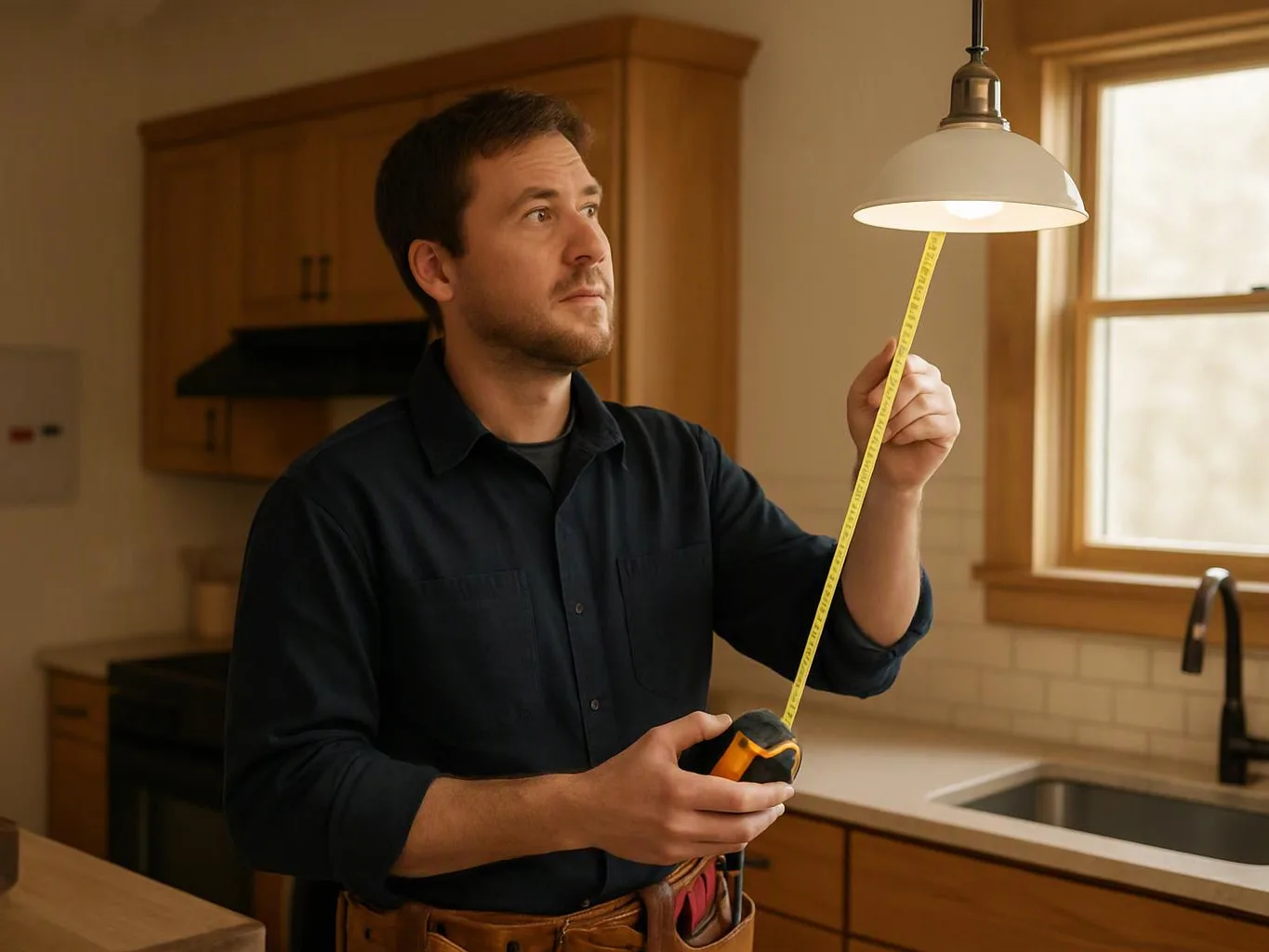
Service Electric plans commercial electrical work by combining an electrical inspection with circuit identification, equipment information, and worksite requirements.
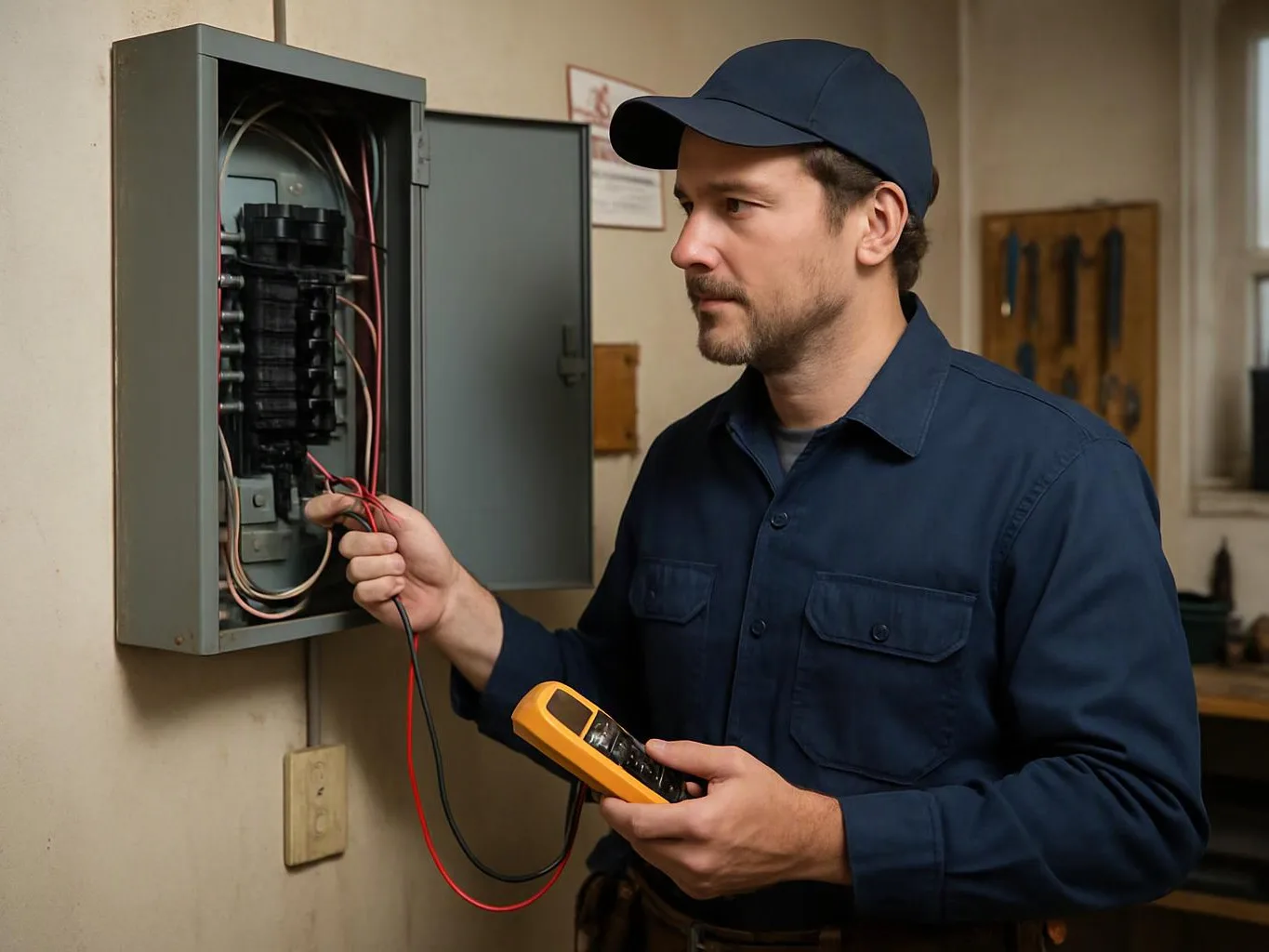
We begin by reviewing the reported symptoms and inspecting accessible equipment. Our team identifies the affected circuits, checks the electrical panel and related disconnects, and looks for damaged wiring or conditions that could affect safe operation.
Electrical drawings help us understand existing routes, connections, and planned changes. We also review equipment specifications so the installation matches the manufacturer’s requirements and the building’s available capacity.
Worksite coordination helps us plan access, shutdowns, protection of business operations, and testing. We document inspection findings and explain the repair scope and installation scope before work proceeds.
What Changes the Scope of a Commercial Electrical Job
The job scope changes with the fault location, system condition, equipment requirements, site access, and whether the work restores existing service or adds new capacity.
Fault location affects the work because a problem in a circuit, panel, disconnect, switchgear, or equipment connection calls for different testing and repair steps.
Electrical system age can affect available replacement parts, grounding, wiring condition, and code compliance. We inspect related components when the failed part may not be the only source of risk.
Accessibility affects how our crew reaches panels, conduit, wiring, and equipment. Available capacity and business operating requirements also shape the installation plan, shutdown process, and project sequence.
What to Record Before Electrical Repair Begins
Businesses should record equipment identification, circuit symptoms, breaker status, recent electrical changes, photos, and safety boundaries before electrical repair begins.
Write down the equipment name, location, warning messages, unusual sounds, burning smell, and the last known normal condition. Tell our team whether the issue affects one device, several circuits, or business operations.
Note whether a circuit breaker is tripped, but do not repeatedly reset it. Photos can help show visible damage when taken from a safe position, and they should never require opening equipment or crossing a safety boundary.
Record recent equipment moves, renovations, new circuits, or service changes. Keep employees and customers outside the affected area until we complete the circuit diagnosis.
How to Request a Commercial Electrical Estimate
The commercial electrical estimate should identify the observed fault, proposed repair, installation requirements, materials, labor, testing, and site conditions; Service Electric provides Free Estimates Available.
Send our team the equipment identification, circuit symptoms, breaker status, photos taken from a safe location, and details about recent electrical changes. Explain whether the work involves restoration, a new circuit, equipment replacement, business expansion, or a service upgrade.
We review the repair scope and installation scope together. Our estimate accounts for required materials, labor, testing, electrical inspection needs, permit coordination, access, shutdown planning, and the operating requirements of the business.
Contact Service Electric through Commercial Electrical Repair to discuss the condition and request an estimate for the work.
Questions About Commercial Electrical Repair and Installation
What information should I give Service Electric during a commercial electrical emergency?
Service Electric needs the affected equipment, location, symptoms, breaker status, recent electrical changes, visible damage, and current safety concerns. Keep people away from the area and share photos only when taking them does not expose anyone to an electrical hazard.
Can a commercial electrical repair reveal the need for a new installation?
Yes, commercial electrical repair can reveal the need for a new installation when damaged equipment, limited capacity, outdated wiring, or business changes affect reliable operation. We use the repair inspection to define any new circuits, equipment replacement, panel work, or service upgrade that may be needed.
What should a business document before shutting down electrical equipment?
A business should document the equipment identification, affected circuit, breaker status, symptoms, recent changes, visible damage, and safety boundaries before shutting down electrical equipment. Our team uses that information to support safe isolation, circuit diagnosis, and testing and documentation.
Commercial electrical repair and installation planning work best when safety information, system conditions, and business requirements are reviewed together. Contact Service Electric to plan the next safe step for your facility.
Get a Free EstimateRelated Resources
When to Call a 24-Hour Electrician in Victoria, Texas
Everything About ItHow to Prepare for an Emergency Electrician Visit
Everything About ItElectrical Aftercare After Emergency Repair
What It SolvesBest Emergency Electrical Repair Options for Urgent, Budget & Long-Term Projects in Victoria