Pool Electrical Installation Safety Considerations
Pool electrical installation safety considerations include bonding, grounding, GFCI protection, correct equipment placement, and inspection; Service Electric checks these protections during installation and electrical safety inspections.
Get a Free EstimateWhat Makes Pool Electrical Installation a Safety-Critical Job?
Pool electrical installation is a safety-critical job because electricity near water requires coordinated protection for people, equipment, and conductive parts.
Water exposure can increase the danger of an electrical fault and electric shock. We assess the electrical system as a connected safety system so electrical safety does not depend on one device alone.
Our team reviews the circuits, equipment, conductive parts, and access conditions before work begins. We also test the completed installation and explain any corrective work that remains.
Which Electrical Safety Protections Does a Pool Need?
Pool electrical safety depends on grounding, bonding, ground-fault protection, and correctly sized protective devices working together.
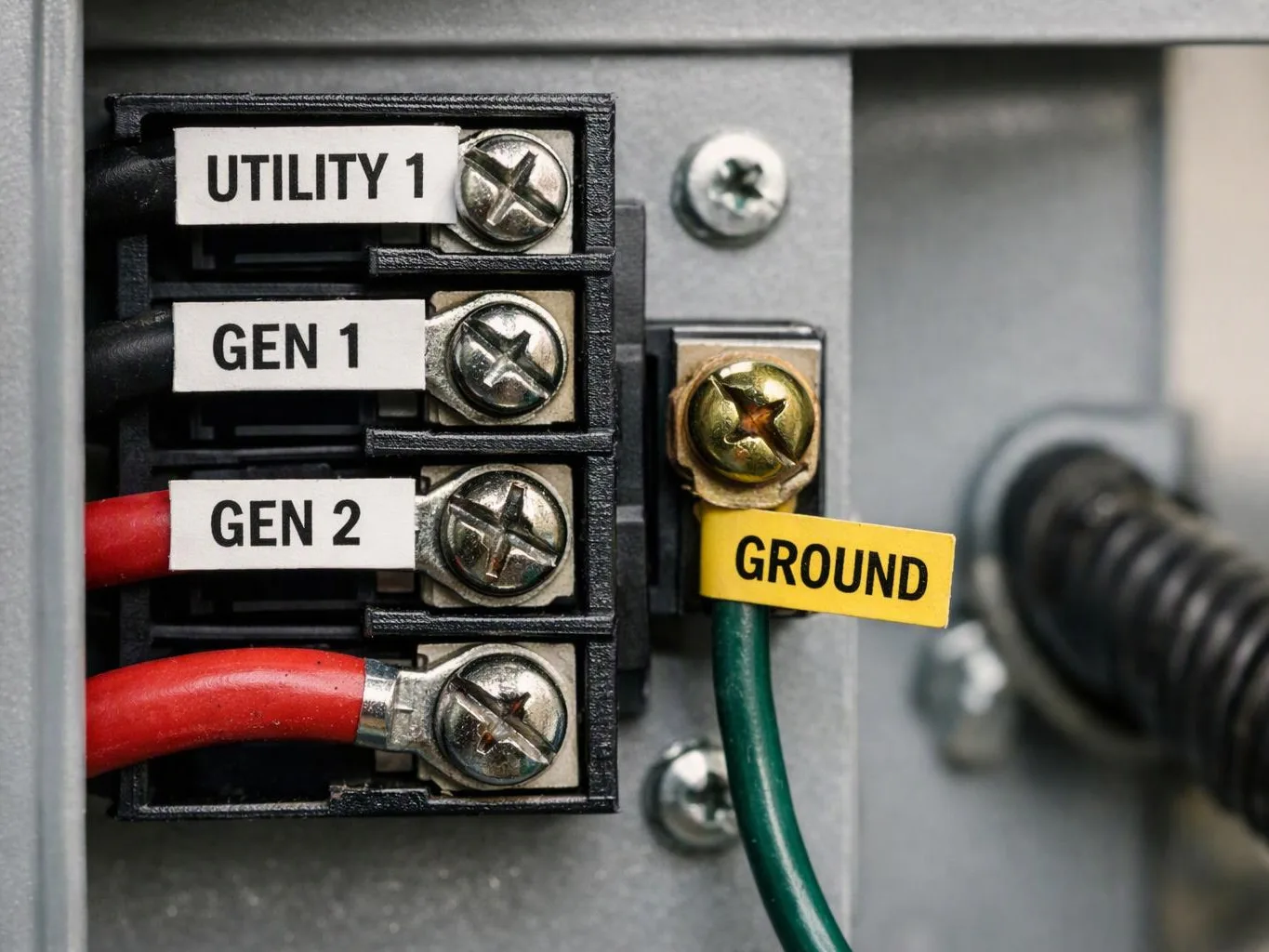
Grounding provides a planned path for fault current. Bonding connects eligible conductive parts so unwanted voltage differences are reduced around the pool area.
A ground-fault circuit interrupter, or GFCI, helps provide electric shock protection by responding to an imbalance in current. We also review overcurrent protection, circuit protection, the grounding electrode system, and the equipotential bonding grid.
Each protective device must match the circuit and equipment it protects. Our team checks the installation conditions and performs electrical testing after installation or repairs.
How Do Bonding and Grounding Protect a Pool Area?
Electrical bonding connects accessible metallic parts so a dangerous voltage difference is less likely to develop between them.
The equipment grounding conductor provides a fault path for connected electrical equipment. Bonding continuity supports the equipotential bonding system, while grounding connects the electrical system to its grounding path.
We inspect bonding conductors, metallic parts, equipment grounding, and accessible connections. Our testing helps identify breaks or weak connections that may require repair.
Where Should Pool Electrical Equipment Be Installed?
Pool electrical equipment should be selected and positioned for its environment, protected from water exposure, and accessible for safe operation and maintenance.
A pool pump, pool heater, and pool lighting require equipment and wiring suited to the installation conditions. A control panel and disconnecting means must remain accessible while being protected from the wet location.
We review electrical enclosures, covers, conduits, clearances, and equipment placement. Our team also checks whether water intrusion, drainage, or maintenance access could affect pool equipment safety.
When planning new work, we can provide Pool Electrical Installation guidance based on the equipment and site conditions.
When Do Pool Electrical Installation and Safety Inspection Work Together?
Pool electrical installation and electrical safety inspection work together when new equipment, changes, faults, or uncertain existing wiring require both corrective work and verification.
These situations often involve more than one part of the electrical system:
We use an electrical safety inspection to connect visible conditions with testing findings. That information helps us define the repair scope before installation or corrective work proceeds.
How Do Installation and Inspection Work Together?
Installation and inspection work together as a sequence: we assess the system, complete required electrical work, test the protections, and explain any remaining corrective scope.
Cost depends on the condition of existing wiring, the equipment involved, access to the work area, and the repair requirements identified during testing. We explain the planned work and provide a project assessment before work begins.
What Should You Check Before Using Pool Electrical Equipment?
Before using pool electrical equipment, check for visible damage, water intrusion, unusual operation, and protective-device problems without opening energized equipment.
An outdoor receptacle, pool pump, or pool light can show signs of a problem through noise, heat, tripping, visible damage, or water intrusion. We inspect the affected circuit and equipment before recommending safe corrective work.
How Service Electric Approaches Pool Electrical Safety
Service Electric evaluates the pool electrical system as a connected safety system, explains the work required, and provides Free Estimates Available for project planning.
We review the pool electrical installation, equipment placement, bonding continuity, grounding path, protective devices, and accessible connections. Our team uses inspection findings to guide installation decisions and electrical testing.
We also separate immediate safety concerns from planned repair requirements. That approach helps you understand what the system needs before work is approved.
What Can Change the Scope of Pool Electrical Safety Work?
The scope of pool electrical safety work changes with existing wiring conditions, equipment type, bonding continuity, grounding paths, accessibility, and the corrective work identified during inspection.
Older wiring may require additional testing or repair before new pool equipment can be connected. Equipment replacement can also change circuit protection, disconnecting means, control wiring, or enclosure requirements.
We inspect these conditions together instead of treating a pump, light, or circuit as an isolated issue. Our quote explains the work required for safe installation, testing, and repair.
Questions About Pool Electrical Safety
Can a pool pump trip a GFCI repeatedly?
Yes, a pool pump can trip a GFCI repeatedly when the pump, wiring, connection, or circuit has a fault. Service Electric inspects the pump circuit, protective device, equipment grounding, and signs of water intrusion before testing or repair.
Why is bonding important around a swimming pool?
Bonding is important because connected metallic parts can have a dangerous voltage difference if they are not part of an effective equipotential bonding system. We check bonding conductors and bonding continuity as part of pool electrical safety work.
What should I do if a pool light or pump shows signs of water intrusion?
Stop using the affected pool light or pump, keep people away from the suspected fault, and do not open energized equipment. Contact Service Electric so we can inspect the equipment, enclosure, wiring, and protective device.
Does replacing pool equipment require an electrical safety inspection?
Replacing pool equipment can require an electrical safety inspection when the replacement changes the circuit, wiring, controls, protective devices, or installation conditions. We inspect the connected system so the new equipment works with the existing electrical safety controls.
Contact Service Electric for pool electrical installation, electrical safety inspection, testing, or corrective work. We review the system, explain the scope, and help you plan the next safe step.
Get a Free Estimate