Whole-Home Surge Protection Planning Guide
Whole-home surge protection planning starts with identifying surge sources, reviewing the electrical panel and grounding system, coordinating generator transfer switch needs, and scheduling an inspection. Service Electric can plan whole-home surge protection, transfer switch installation, and electrical safety checks as one connected project.
Get a Free EstimateWhat Does Whole-Home Surge Protection Do?
Whole-home surge protection is an electrical protection system that redirects excess voltage away from connected circuits and equipment.
A whole-home surge protector is connected near the service panel so it can respond to a power surge, voltage spike, or transient voltage entering through the service entrance. The grounding system provides the path used to direct excess energy away from sensitive electronics.
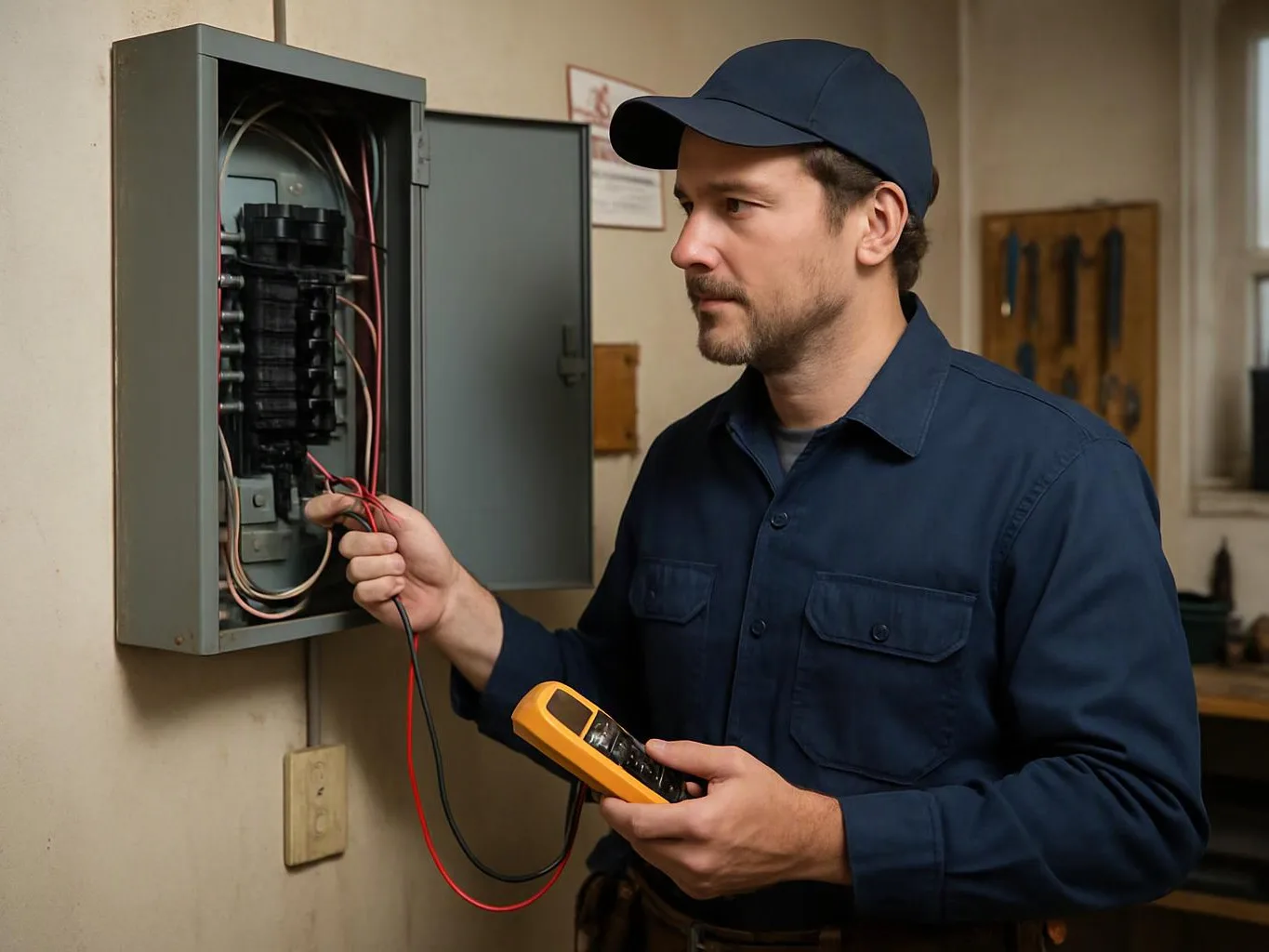
Our team reviews the service panel, grounding connections, and available space before selecting a surge protective device. Panel-mounted protection can help reduce equipment damage, but it does not replace good wiring practices or electrical safety checks.
What Should You Check Before Planning Surge Protection?
Electrical safety planning should begin with a review of the service panel, grounding and bonding, existing protection, and the condition of the electrical system.
These checks help us match the protection equipment to the existing installation. They also show whether grounding or bonding work needs to be addressed before installation planning is complete.
When Do Surge Protection and a Generator Transfer Switch Belong in the Same Plan?
Whole-home surge protection and a generator transfer switch belong in the same plan when backup power and protection from voltage events affect the same electrical service.
We commonly connect both services in the planning stage when:
Planning both systems together helps us coordinate the generator connection and surge protection points. It also reduces the risk of placing equipment where it cannot work correctly with the service panel.
How Do Surge Protection and Transfer Switch Installation Work Together?
Transfer switch installation and surge protection work together by coordinating equipment locations, panel connections, generator loads, and protection requirements before installation begins.
The equipment and wiring requirements can change the overall project cost when access, panel configuration, or grounding work is more involved. We explain those factors in the estimate before installation begins.
How Should You Respond After an Electrical Surge?
After an electrical surge, disconnect sensitive equipment when safe, watch for signs of damage, avoid resetting damaged equipment, and arrange an electrical inspection.
Do not touch damaged wiring or receptacles. We can assess the electrical system and identify equipment damage that is not visible during a basic visual check.
What Electrical Safety Checks Should You Complete Before Severe Weather?
Before severe weather, electrical safety checks should cover the panel, outdoor connections, generator connection method, receptacles, cords, and signs of damage or moisture.
Check that outdoor receptacles have suitable covers and that each GFCI receptacle resets normally. Inspect extension cords for cuts, crushed sections, exposed conductors, and moisture before use.
For a portable generator, use the planned generator inlet and generator transfer switch connection. We review the transfer switch, panel connections, and load management plan so utility power and backup power remain separated.
Keep generators away from enclosed areas and never connect one directly to a receptacle in a way that can send power back through the home. Our team can complete the electrical inspection and address unsafe connections before severe weather arrives.
What Changes the Cost of a Whole-Home Surge Protection Plan?
The cost of a whole-home surge protection plan depends on the existing panel, grounding and bonding, required equipment, installation access, and whether transfer switch work is included.
Service panel configuration can affect the equipment selected and the work needed to make a secure connection. Electrical service capacity, grounding electrode condition, and bonding connections can also change the project scope.
A surge protective device may be planned as a standalone service or alongside a generator transfer switch, generator inlet, and load management work. Difficult installation access can add labor because wiring routes and equipment locations require more planning.
We provide Free Estimates Available and explain what the estimate covers. Contact us for an exact review of your home electrical system and the protection work you want included.
How Service Electric Builds a Safer Whole-Home Protection Plan
Service Electric builds the plan by reviewing the electrical system, matching protection equipment to the installation, coordinating generator connections, and checking the completed work.
We begin with an electrical safety inspection and service panel assessment. Our team reviews the service entrance, grounding and bonding, branch circuits, existing surge protection, and generator connection needs.
We then plan whole-home surge protection and portable generator transfer switch installation around the home’s electrical loads. Our crew coordinates the surge protective device, generator inlet, transfer switch, and load management requirements.
After installation, we check connections, confirm the equipment works as planned, and complete system testing. We explain the operating steps and any safety points that apply to backup power use.
Which Service Should You Schedule for Your Electrical Plan?
The right service depends on whether your main concern is electrical surge protection, backup power, or the condition of the home electrical system.
| Service | When it fits | What we review |
|---|---|---|
| Whole-home surge protection | You want protection from power surges and voltage events across connected circuits. | Service equipment, grounding, bonding, and the planned surge protective device. |
| Portable generator transfer switch installation | You need a controlled connection for backup power during utility outages. | Generator inlet, transfer switch, backfeed prevention, and supported loads. |
| Electrical safety inspection | You see signs of surge damage or want the home electrical system reviewed before planned work. | Panel condition, branch circuits, receptacles, grounding, bonding, and visible damage. |
We can combine these services when surge protection and backup power depend on the same panel and grounding system. Contact us to plan the inspection, equipment, and installation scope together.
Get a Free EstimateQuestions About Whole-Home Surge Protection Planning
Can a portable generator cause an electrical surge?
Yes, a portable generator can create unsafe voltage conditions when it is connected incorrectly, overloaded, or not separated from utility power. Service Electric installs and checks the generator inlet and transfer switch so the connection supports backfeed prevention and controlled backup power.
Does a transfer switch protect electronics from power surges?
No, a transfer switch controls the source of power but does not replace a surge protective device. We plan the transfer switch and whole-home surge protection together when the same service panel supplies both utility power and backup power.
What signs indicate that a surge damaged a home electrical system?
Signs can include a burning smell, a damaged receptacle, flickering lights, tripped breakers, heat, smoke, or sensitive electronics that stop working. We inspect the panel, branch circuits, receptacles, grounding, and connected protection equipment to assess possible equipment damage.
Can whole-home surge protection be added to an existing electrical panel?
Yes, whole-home surge protection can often be added to an existing electrical panel after we review the panel configuration, service capacity, grounding and bonding, and available connection space. We select and install the surge protective device to match the existing home electrical system.