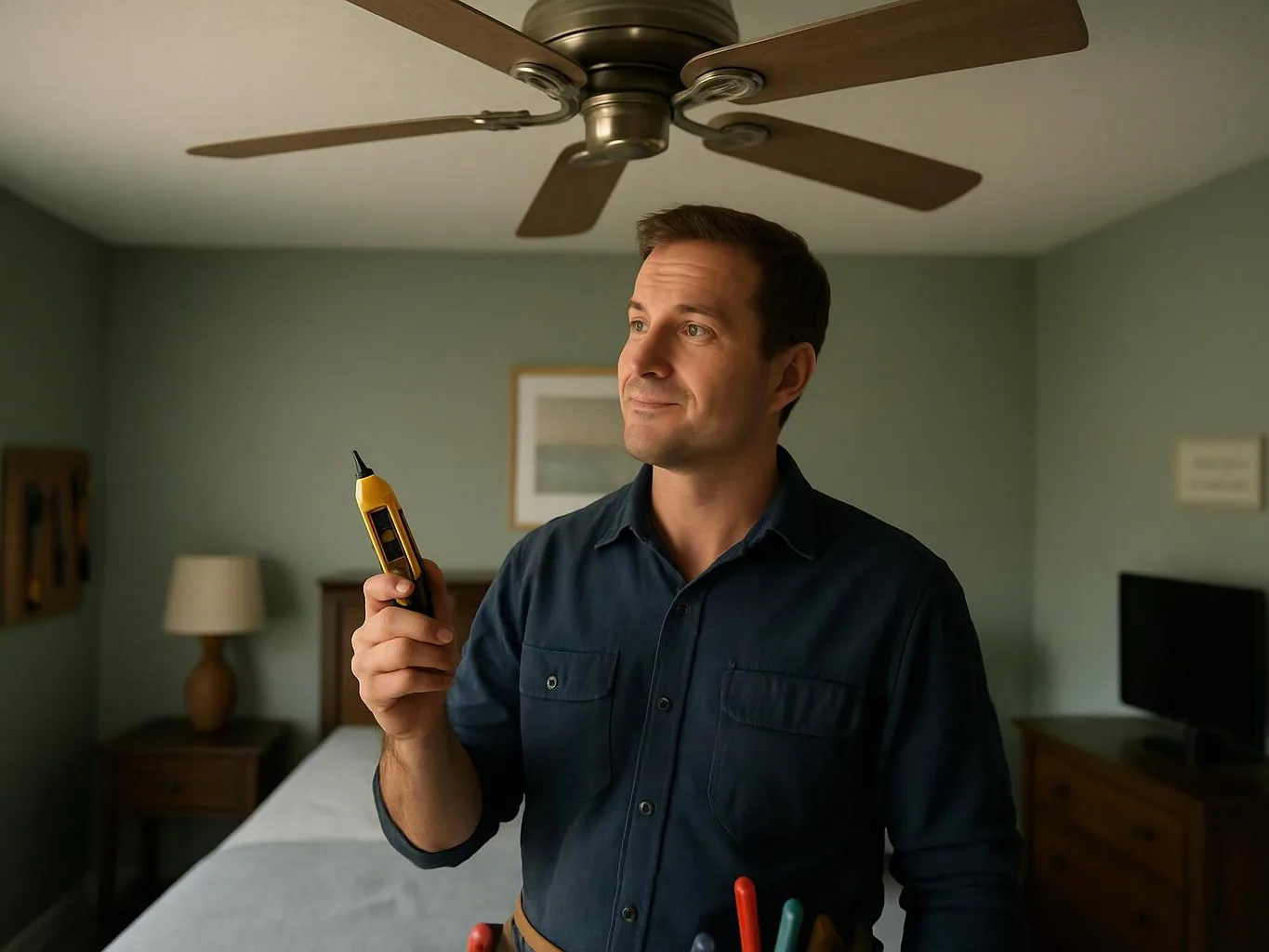
Review the generator and target circuits
We identify the portable generator, its connection point, and the circuits you want available during an outage.
A transfer switch connects selected circuits to a portable generator without unsafe backfeeding. We plan the connection around your panel, generator, and property needs.
A transfer switch gives selected circuits a controlled generator supply during an outage.
Circuit planning helps match the generator to the loads you actually need.
Testing confirms the inlet, switch, panel connection, and selected circuits work together.
Portable Generator Transfer Switch Installation is an electrical service that connects selected building circuits to a portable generator through a dedicated transfer switch.

A portable generator transfer switch gives selected circuits a controlled source during an outage. The work links the generator inlet, transfer switch, and electrical panel so the generator does not feed the utility lines through an unsafe path. Buyer fit matters here. This service suits a property with a portable generator and a clear need for selected loads, such as refrigeration, lighting, or essential equipment. It does not turn a portable generator into a whole-property standby system, and the generator still needs enough capacity for the circuits chosen. We start with the panel layout and the intended loads. Then we review the generator connection point, available wiring path, and switch location. Our team tests the finished connection and explains which circuits the switch controls.
We identify the portable generator, its connection point, and the circuits you want available during an outage.
We inspect the service panel, breaker layout, grounding path, and route between the panel and switch location.
We match the switch arrangement to the selected circuits and generator connection so the system has a controlled power path.
We install the transfer switch, connect the inlet and panel wiring, and secure the equipment for normal operation.
We test the transfer function, check the selected loads, and explain the operating limits before the system is used.
A few details help us scope the generator connection before work begins.
Share your generator and panel details for an estimate, and urgent requests get priority scheduling.
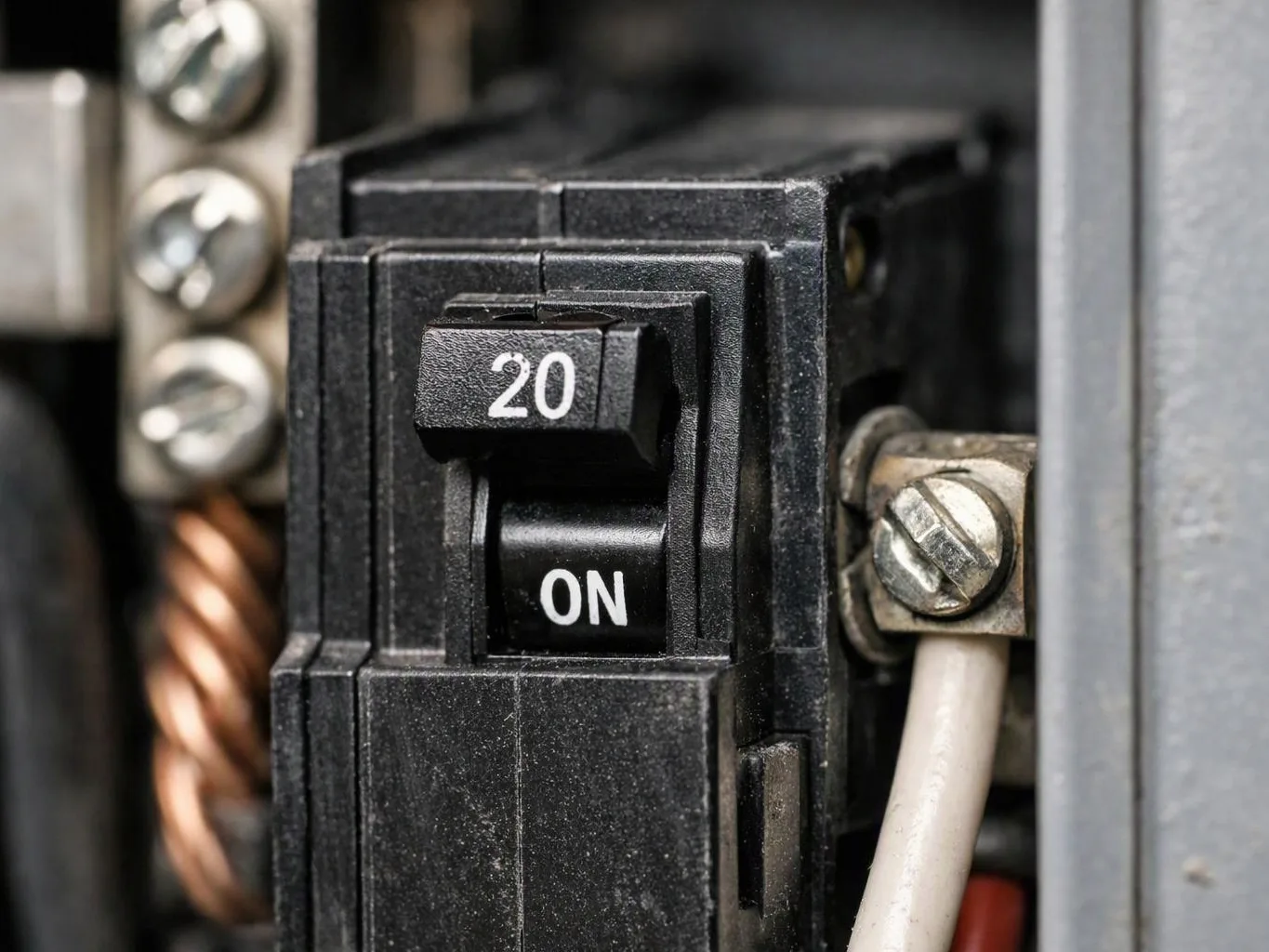
A homeowner has a portable generator but connects it with extension cords throughout the property. The key issue is choosing selected circuits and creating a controlled path through the panel. Keep the generator disconnected from the building, gather panel and generator details, and ask us to inspect the setup before using it during an outage.
A small business wants backup power for chosen equipment, lighting, or refrigeration without running every circuit. Load selection matters because the generator must support the planned demand, and the transfer switch must match the panel layout. We can review the priority circuits, inspect access, and prepare an installation estimate for the property.
An existing generator inlet may be present, yet the switch does not power the circuits the owner expects. The inlet, breaker arrangement, wiring route, and circuit labels all need review before changes are made. Stop using the connection if it behaves unexpectedly, then send us the available equipment details for an inspection.