Smoke Detector Installation and Electrical Safety
Smoke detector installation and electrical safety work together when correct placement, secure wiring, reliable power, testing, and hazard checks are addressed as one home-safety plan. Service Electric installs detectors, inspects electrical conditions, and handles wiring needs with safety-focused guidance.
Get a Free EstimateHow Smoke Detectors Connect to Electrical Safety
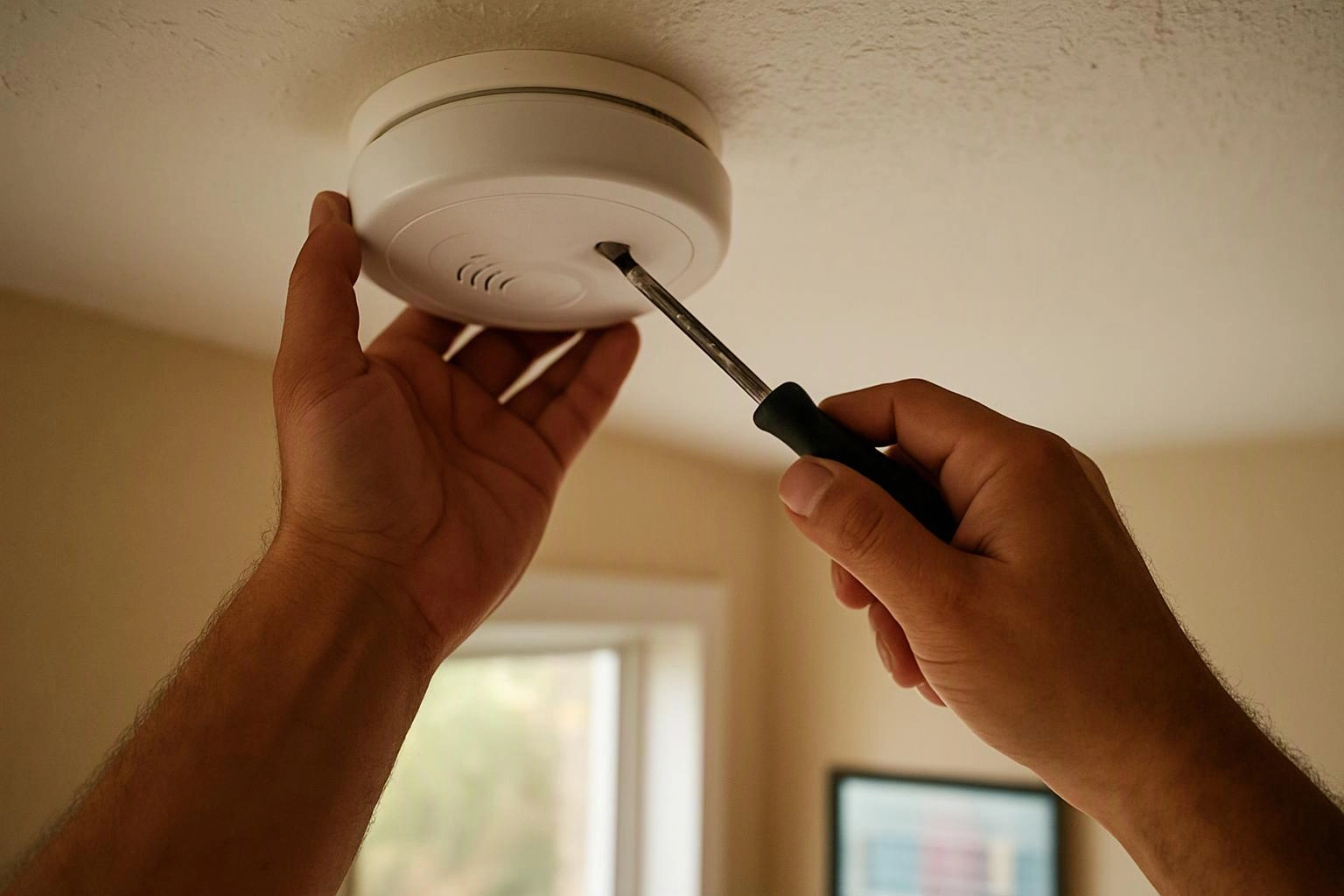
Smoke detector installation supports electrical safety by ensuring alarms receive dependable power, remain correctly connected, and can warn occupants when smoke is detected.
A smoke detector is a fire safety device that senses smoke and produces an alarm. Its connection to the residential electrical system matters because loose wiring, an unreliable power source, or a poor junction box connection can affect alarm operation.
We review detector placement, the alarm power supply, and the surrounding electrical conditions. Our team also checks whether the fire protection plan works with the home's existing wiring.
For installation needs, our Smoke Detector Installation service can be planned alongside electrical safety work.
When You Need Smoke Detector Installation and Electrical Safety Work Together
Combined smoke detector and electrical safety work is useful when a home change or alarm problem may involve both detector placement and the electrical system.
These situations often call for a connected review of the alarm and the wiring behind it:
We review the alarm concern and the related electrical conditions together. That approach helps keep the project scope clear before work begins.
How We Check the Electrical Conditions Behind a Smoke Detector
Service Electric checks the detector location, power source, connections, wiring condition, and related electrical hazards before completing installation work.
An electrical safety inspection starts with the smoke alarm power supply and the location of the device. We examine the junction box, circuit connection, grounding, and visible wiring condition that support the alarm.
Our team looks for loose connections, damaged insulation, unsuitable wiring, and other conditions that can affect safe operation. We explain any correction that falls within the requested project scope.
We then complete detector testing after the installation or correction work. Functional testing confirms that the alarm responds through its test button and that connected alarms operate as intended.
How the Two Services Work Together
The two services work together through inspection, correction of wiring conditions, detector installation, testing, and a quote based on the home's existing conditions and requested work.
Our work sequence connects the alarm needs to the electrical scope:
Bundling related tasks can make the work easier to plan because the alarm and its power source are reviewed as one system. We explain which items are required for the requested work and which conditions are separate repairs.
What to Check for Electrical Hazards at Home
Home electrical hazards include damaged components, unusual heat, repeated breaker trips, visible scorching, and other signs that require prompt attention.
You can use this visual check to identify conditions that deserve attention from our team:
Do not remove panel covers or handle damaged wiring during a visual check. We can inspect the condition and explain the safest next step.
Electrical Safety Checklists for Homeowners
A useful homeowner checklist combines routine visual checks, smoke detector testing, panel awareness, safe appliance use, and a plan for electrical emergencies.
Home electrical maintenance begins with observing unusual heat, sounds, odors, damaged components, and changes in circuit behavior. You can also keep detector testing on your household safety routine and replace alarms or batteries according to the product instructions.
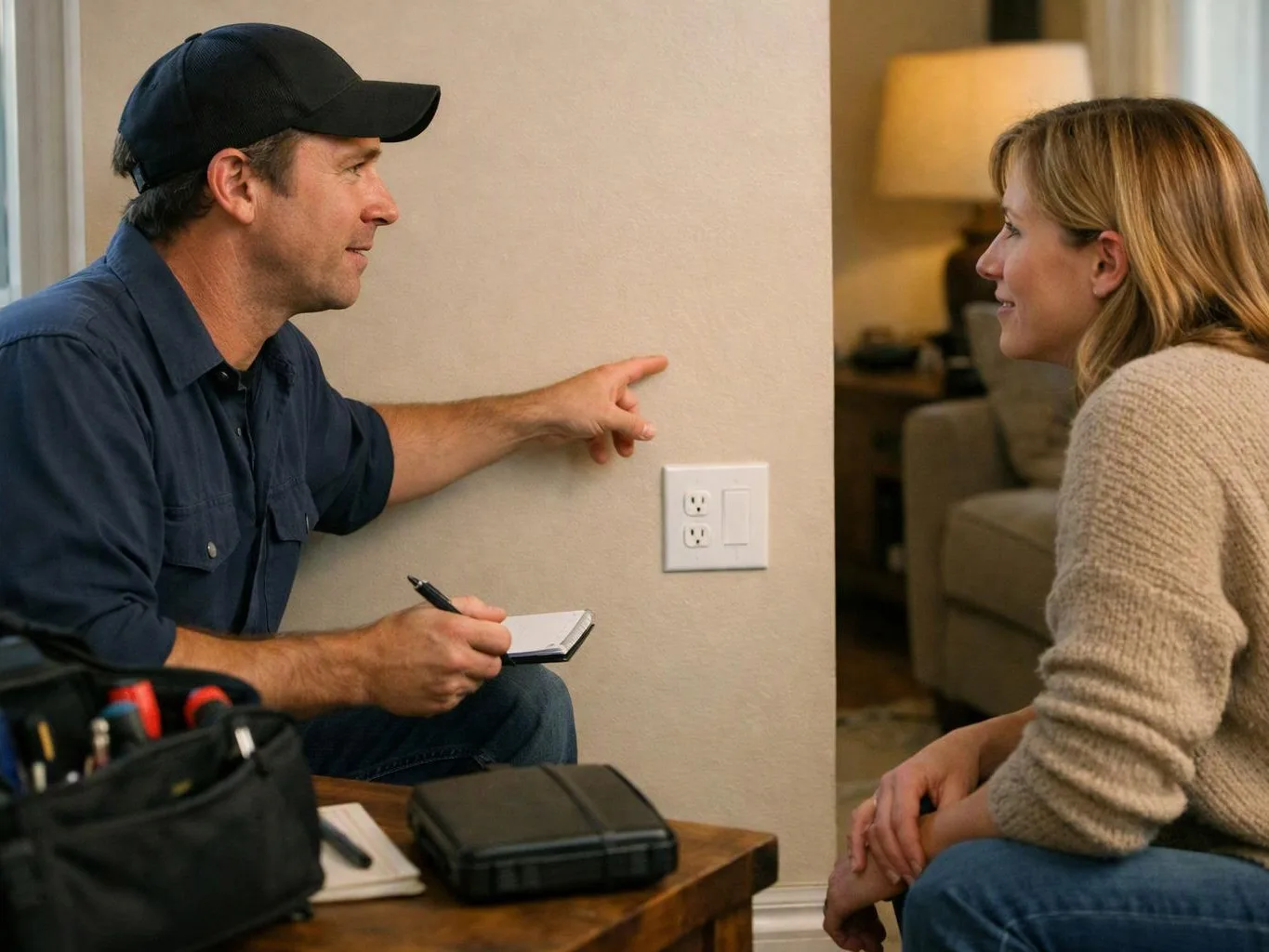
Know where the circuit breaker panel is located and keep its labels readable. During an outlet inspection, check for looseness, visible damage, and signs of overheating without opening the device.
When a concern involves wiring, repeated breaker trips, or an alarm power supply, our Electrical Safety Inspection service can help identify the condition. Include emergency preparedness in the checklist so everyone knows when to leave the home and when to call for help.
What to Check When Moving Into a New Home
A new-home electrical checklist should cover smoke detector locations, panel information, outlet condition, protective devices, and visible wiring.
What to Include in an Electrical Emergency Checklist
An electrical emergency checklist should explain how to respond to danger, disconnect power when safe, and leave the home when necessary.
What Smoke Detector Installation and Safety Work Includes
Smoke detector installation and electrical safety work can include placement review, wiring assessment, new electrical connections, alarm testing, and correction of related hazards.
A hardwired smoke detector connects to the home's electrical wiring and may include a battery backup. Interconnected alarms communicate with one another so a detected condition can alert occupants in connected areas.
We review detector placement, the alarm sensor, the junction box, and the circuit connection before installation. Our crew completes electrical wiring installation when the project requires a new or altered connection.
Detector testing follows the installation and includes checking the test button, alarm response, and related connections. We also explain any battery backup or interconnected alarm features included in the planned work.
How Service Electric Can Plan the Work
Service Electric reviews the home's detector and wiring needs, explains the recommended scope, and provides Free Estimates Available before the work is scheduled.
We begin with a project assessment that considers detector placement, the existing electrical wiring, the circuit breaker panel, and the condition of the intended connection. Our team explains whether the request involves detector installation, electrical wiring installation, an electrical safety inspection, or related corrections.
The estimate scope reflects the home's existing conditions and the work you request. We answer questions about hardwired smoke detectors, battery backup, interconnected alarms, and functional testing before scheduling the project.
For guidance about an electrical emergency, the article How to Choose an Emergency Electrician for Your Home can help you organize the information to share when you contact us.
Contact Service Electric to discuss smoke detector installation and electrical safety work for your home.
Questions About Smoke Detectors and Electrical Safety
Can a smoke detector be connected to an existing electrical circuit?
Yes, a smoke detector can be connected to an existing electrical circuit when the circuit, junction box, wiring condition, grounding, and connection are suitable for the installation. Service Electric checks those conditions and completes the connection and testing within the planned scope.
What should I do if a smoke alarm keeps going off without smoke?
A smoke alarm that keeps sounding without visible smoke may have contamination, poor placement, a power concern, a failing alarm, or another condition that needs review. Silence the alarm only as directed by its instructions, check for an actual fire, and contact us when the issue continues or involves wiring.
Should smoke detectors be checked during an electrical inspection?
Yes, smoke detectors should be checked during an electrical inspection when their power supply, wiring, connections, or placement are part of the safety concern. We include the relevant detector and electrical conditions in the inspection discussion.
What electrical warning signs should homeowners not ignore?
Homeowners should not ignore warm switches, damaged cords, flickering lights, repeated breaker trips, loose outlets, overloaded outlets, or burn marks. Stop using the affected equipment when safe and contact us for an electrical safety inspection.