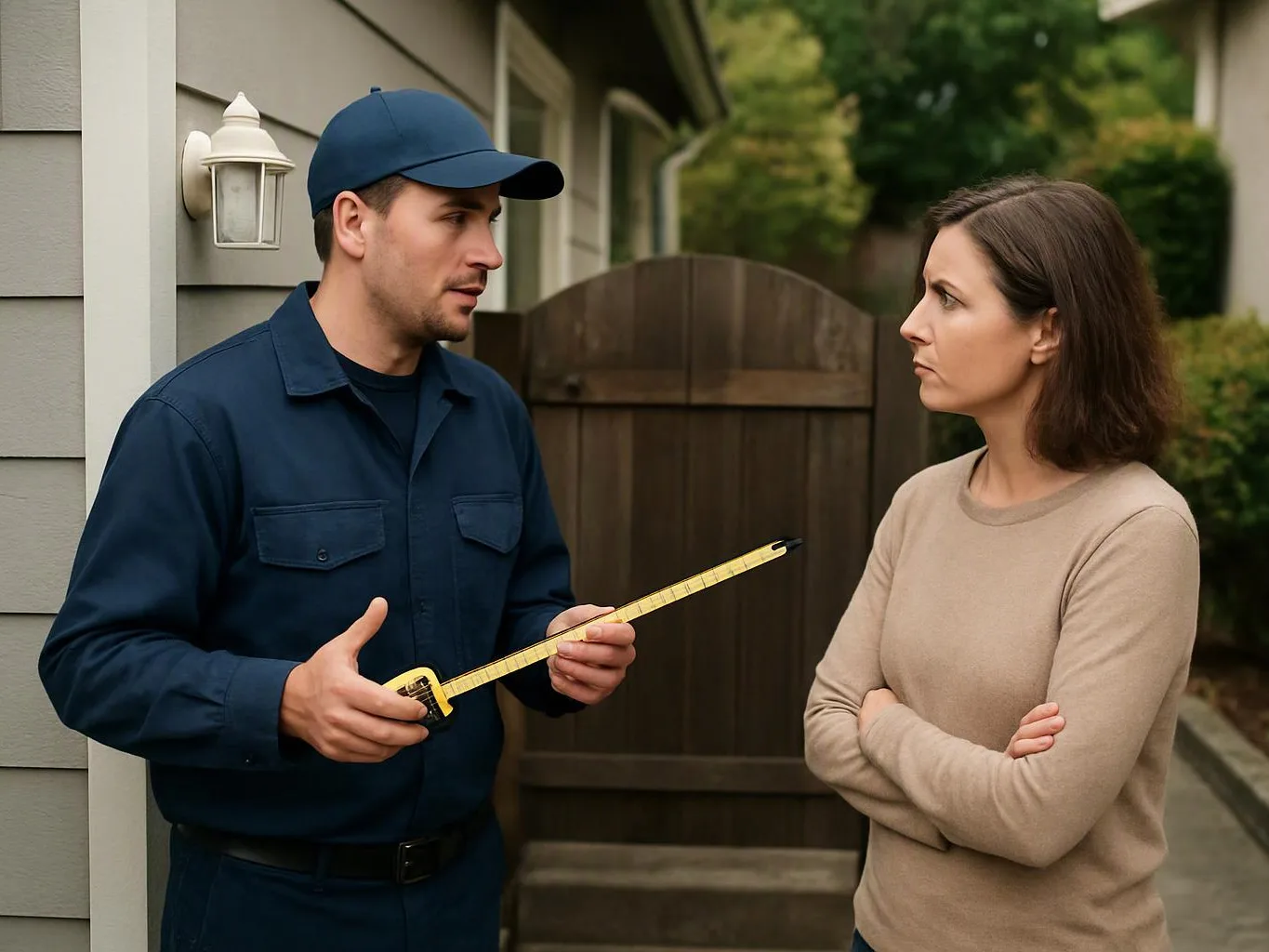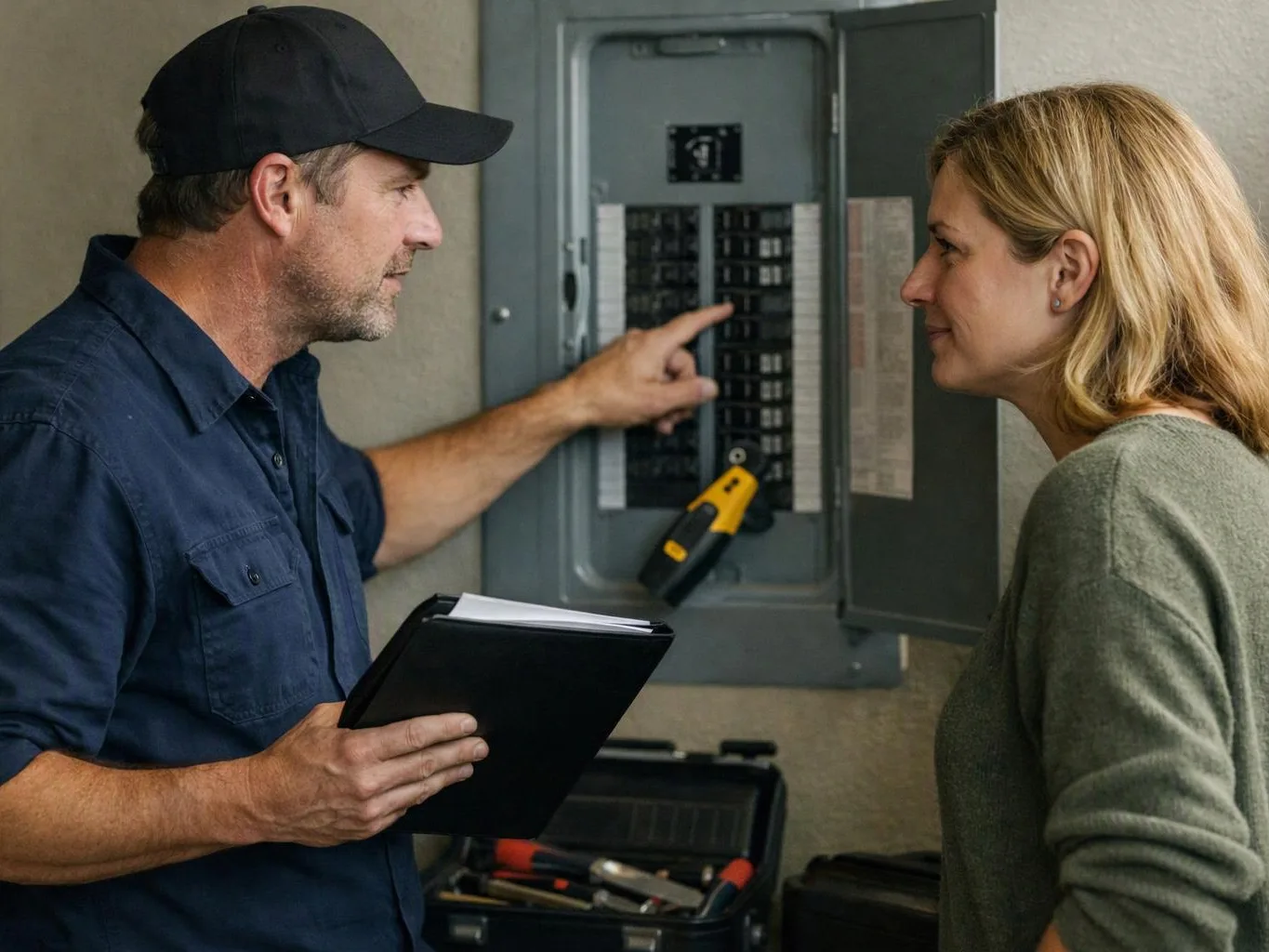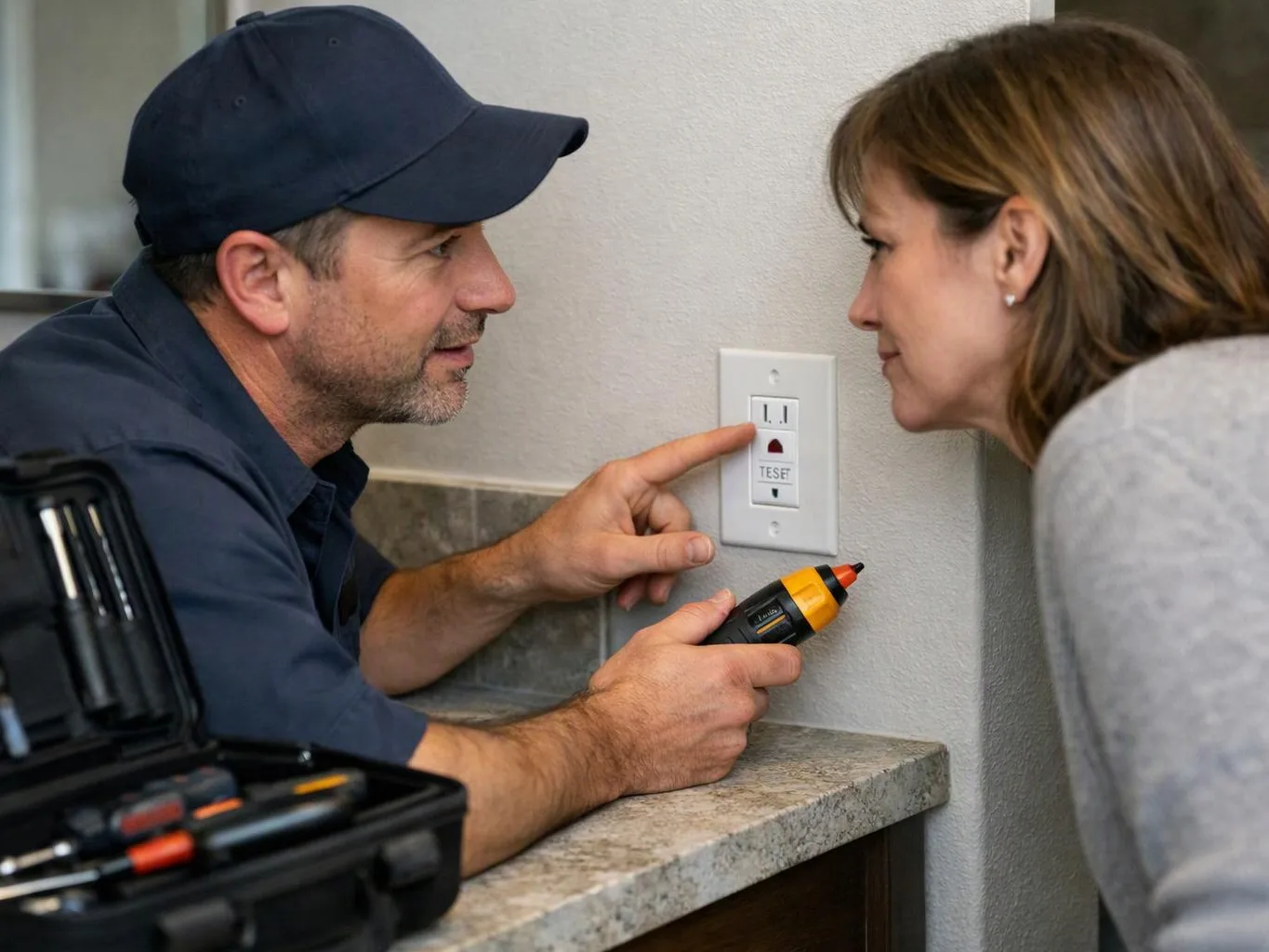
When to Consider Whole-Home Rewiring
Whole-home rewiring may be considered when wiring shows repeated faults, safety concerns, inadequate capacity, or deterioration across the home; Service Electric assesses the electrical system and explains whether repair, partial rewiring, or whole-home rewiring fits the property.
Get a Free EstimateWhat Does Whole-Home Rewiring Involve?
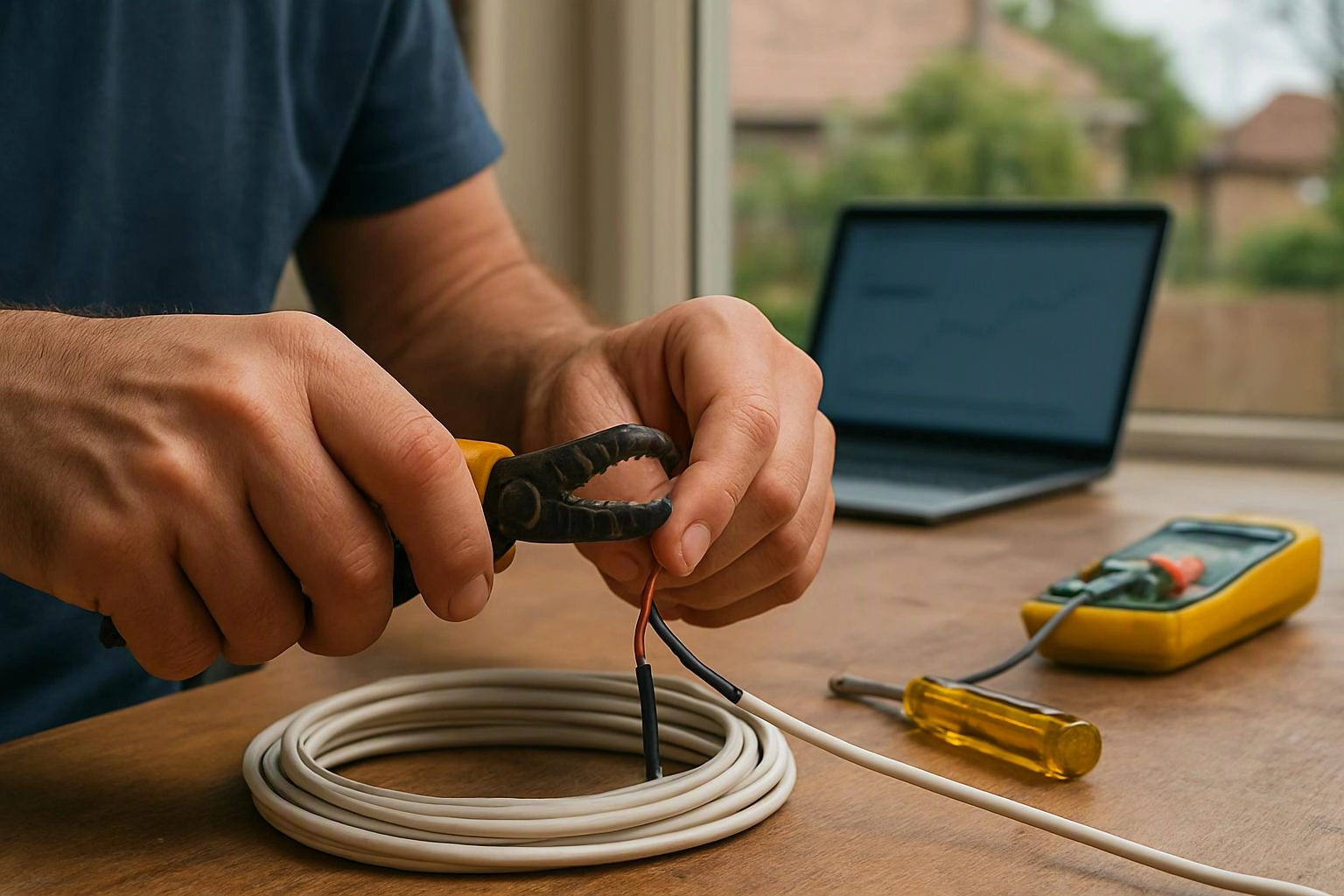
Whole-home rewiring is the replacement of electrical wiring throughout a home to improve safety, reliability, and circuit capacity. Service Electric reviews the existing system and plans the work around the home's structure and electrical needs.
The work can include branch circuits, the electrical panel, outlets, switches, junction boxes, and grounding conductors. We also check wire insulation and connections so the new installation forms a complete, coordinated system.
What Signs Suggest That Rewiring May Be Needed?
Whole-home rewiring may be considered when multiple parts of the electrical system show recurring faults, visible deterioration, overheating, or inadequate protection.
One warning sign does not automatically mean the entire home needs rewiring. We assess whether the issue is isolated or connected to broader wiring conditions.
Turn off power to equipment that smells hot, sparks, or feels unsafe when you can do so without touching damaged parts. We can investigate the fault and address conditions that may create a fire hazard.
What Common Causes Lead to Whole-Home Rewiring?
Whole-home rewiring is commonly considered when older wiring, unsuitable materials, unplanned alterations, or increased electrical demand affect the home's electrical system.
Our team identifies the cause before recommending replacement. That approach helps separate a correctable connection problem from a system-wide condition.
How Does Wiring Repair Compare With Whole-Home Rewiring?
Electrical wiring repair addresses a localized, suitable-to-repair problem, while whole-home rewiring is considered when wiring concerns are widespread or the system cannot safely support the home.
We use the wiring condition, circuit capacity, fault location, and electrical safety risks to guide the recommendation. Partial rewiring may fit a home where only specific circuits or areas need replacement.
| Electrical wiring repair | Whole-home rewiring |
|---|---|
| Targets a localized fault, faulty connection, damaged section, outlet, switch, or branch circuit that remains suitable for repair. | Replaces widespread damaged wiring or an outdated electrical system across much of the home. |
| May preserve suitable existing wiring after testing confirms safe condition and adequate capacity. | Creates a coordinated system when existing wiring cannot safely support present or planned electrical demand. |
| Fits isolated problems with limited impact on the rest of the home. | Fits recurring faults, inadequate protection, or safety concerns affecting multiple areas. |
Our assessment may lead to electrical wiring repair, partial rewiring, or complete home rewiring. We explain why the recommended scope fits the wiring condition and the home's future needs.
How We Assess Whether a Home Needs Rewiring
An electrical inspection helps determine whether a home needs repair, partial replacement, or whole-home rewiring. Service Electric reviews the system as a connected group of circuits instead of judging one outlet in isolation.
Our team performs circuit testing and examines the electrical panel, circuit breakers, grounding system, wire insulation, and outlet and switch connections. We use voltage testing and fault detection to identify unsafe or unreliable conditions.
A load assessment shows how appliance demand affects circuit capacity. We then explain the work scope and how the recommendation supports electrical code compliance and home electrical safety.
How Should You Prepare for Electrical Wiring Installation?
Electrical wiring installation is easier to plan when you identify current faults, future electrical needs, preferred outlet and lighting locations, and access constraints before work begins.
Good rewiring preparation helps us plan safe access and place new wiring where it will serve the home well. Share renovation plans and appliance requirements before the work scope is finalized.
We use this information to coordinate branch-circuit replacement, outlet wiring replacement, or a broader safe electrical installation. Our team also explains access requirements before work begins.
How Can You Help Prevent Future Wiring Problems?
Electrical wiring problems can be reduced by avoiding overloaded circuits, responding to warning signs, protecting outlets and cords, and arranging appropriate electrical inspections.
Simple habits can reduce stress on the electrical system, but damaged wiring and repeated faults require our assessment. We can check whether a recurring issue points to a larger safety concern.
What Should You Expect When Planning Rewiring With Service Electric?
Service Electric prepares a whole-home rewiring estimate after reviewing the electrical system, the requested work, access requirements, and the materials needed for a safe installation.
We explain whether electrical wiring repair, partial rewiring, or complete home rewiring fits the property. Our work scope accounts for the electrical panel, branch circuits, outlets, switches, grounding, and any required wall or ceiling access.
Project preparation includes discussing outlet placement, lighting, appliance demand, household safety, and finish considerations. Whole-Home Rewiring planning can also identify related electrical work before installation begins.
Free Estimates Available. Contact Service Electric to discuss the home's wiring condition and request an estimate based on the actual work scope.
Questions About Whole-Home Rewiring
Can one bad outlet mean the whole house needs rewiring?
One bad outlet does not mean the whole house needs rewiring. Service Electric tests the outlet, its connections, the related branch circuit, and nearby wiring to determine whether the fault is isolated or part of a wider condition.
Is partial rewiring appropriate for an older home?
Partial rewiring is appropriate when testing shows that specific circuits or areas need replacement while the remaining wiring is suitable and adequately protected. We assess the full system so the partial scope does not leave related safety or capacity concerns unaddressed.
What should I do if I smell burning from an outlet?
Turn off power to the outlet if you can do so safely, keep away from smoke or damaged parts, and contact Service Electric for an assessment. Do not use the outlet until the wiring, connections, and protective devices have been checked.
Can home renovations increase the need for rewiring?
Home renovations can increase the need for rewiring when new rooms, lighting, appliances, or equipment add electrical demand or expose outdated wiring. We include the renovation plan in the load assessment and explain the wiring changes needed for safe electrical installation.