Where should smoke detectors be installed in a home?
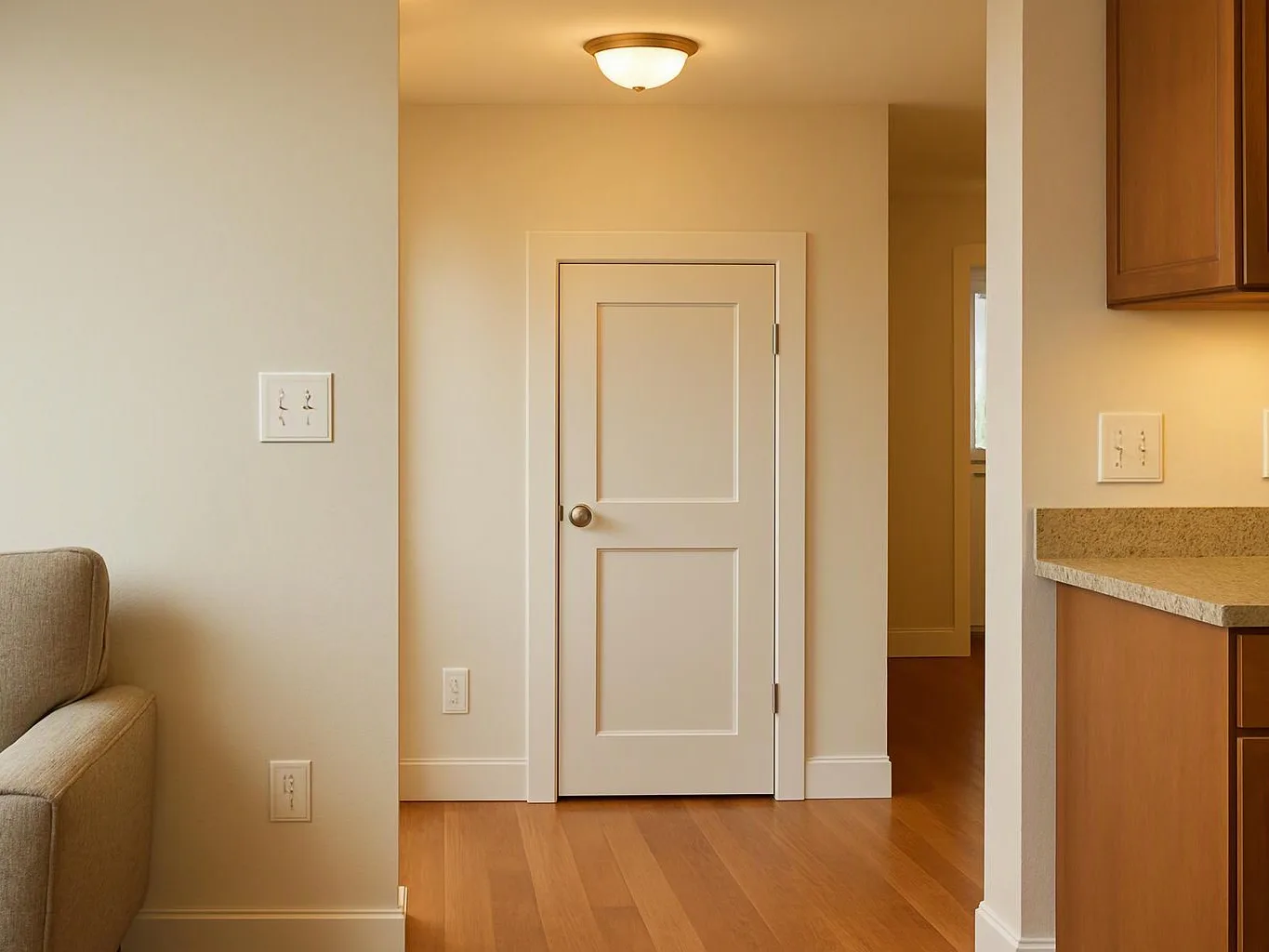
Basement ceilings, sleeping areas, hallways, and living spaces need placement based on the property layout. Service Electric installs detectors after checking ceiling access, power, and existing wiring. We also test each installed unit. A room's use, ceiling shape, and connection point can change the work scope.
How can I tell whether new smoke detectors fit my property?
New smoke detectors fit a property when the current coverage, room layout, and detector condition show a need for added or replacement units. We inspect the areas being considered and check access and wiring. The assessment also separates detector work from panel, circuit, or outlet repairs.
Which part of the property decides the installation scope?
The ceiling layout and the rooms needing coverage decide much of the installation scope. Basement ceilings, sleeping areas, hallways, and living spaces each present different access and placement needs. We also check the available circuit, wiring path, and existing detector locations before giving the estimate.
Which material changes how long the installation takes?
Ceiling material and the condition of the existing wiring can change the work involved. Drywall, finished surfaces, and concealed wiring may require more careful access than an open ceiling. We inspect the installation point first and explain any added work before proceeding.
What should I do if a detector keeps chirping?
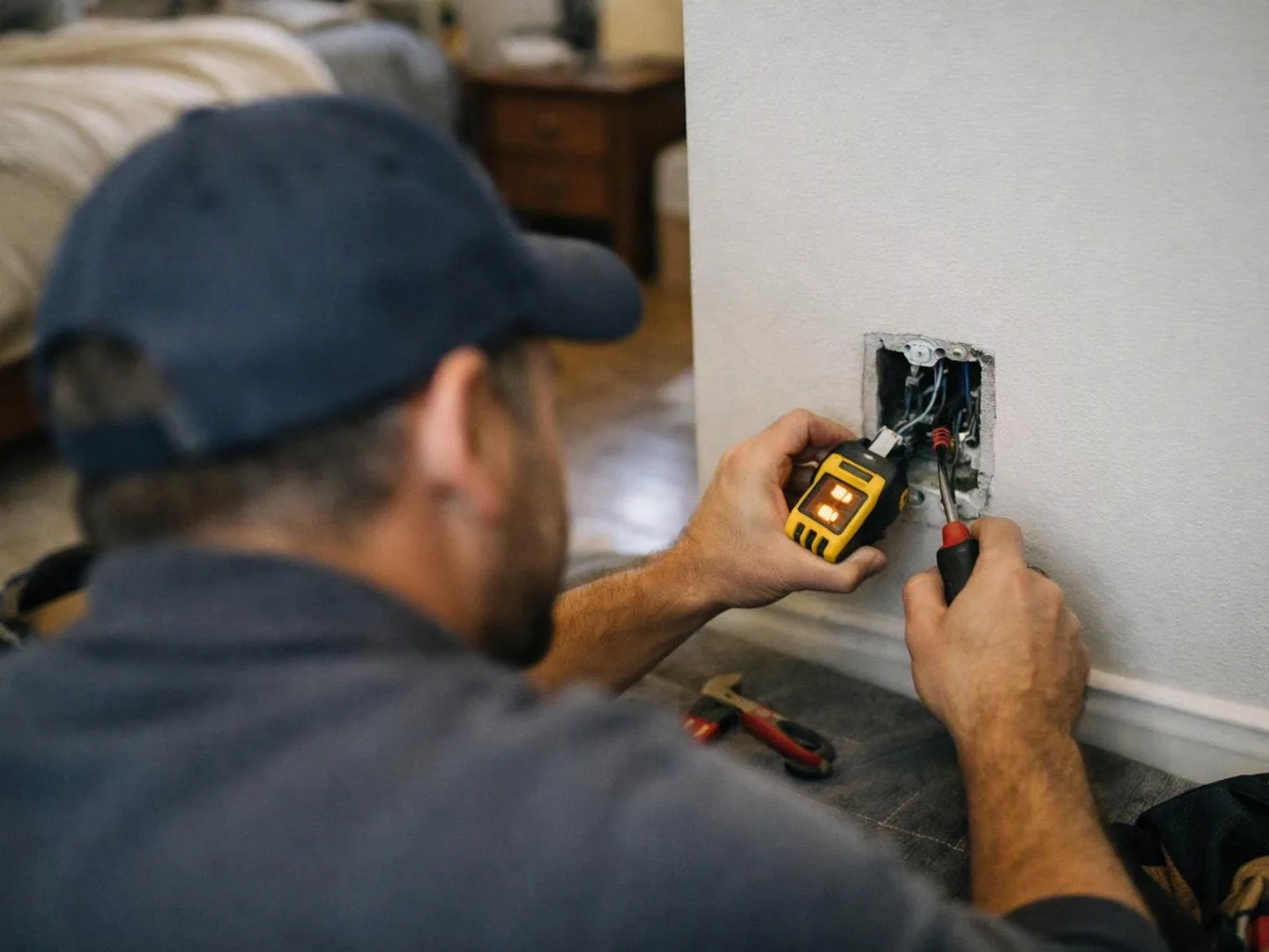
A chirping detector needs a check of its battery, power supply, wiring, and condition. Our team tests the unit and connection to find the cause. A chirp can point to a weak battery, lost power, wiring trouble, or an end-of-life warning, so replacing parts without checking the circuit may miss the issue.
When does detector work become an electrical repair?
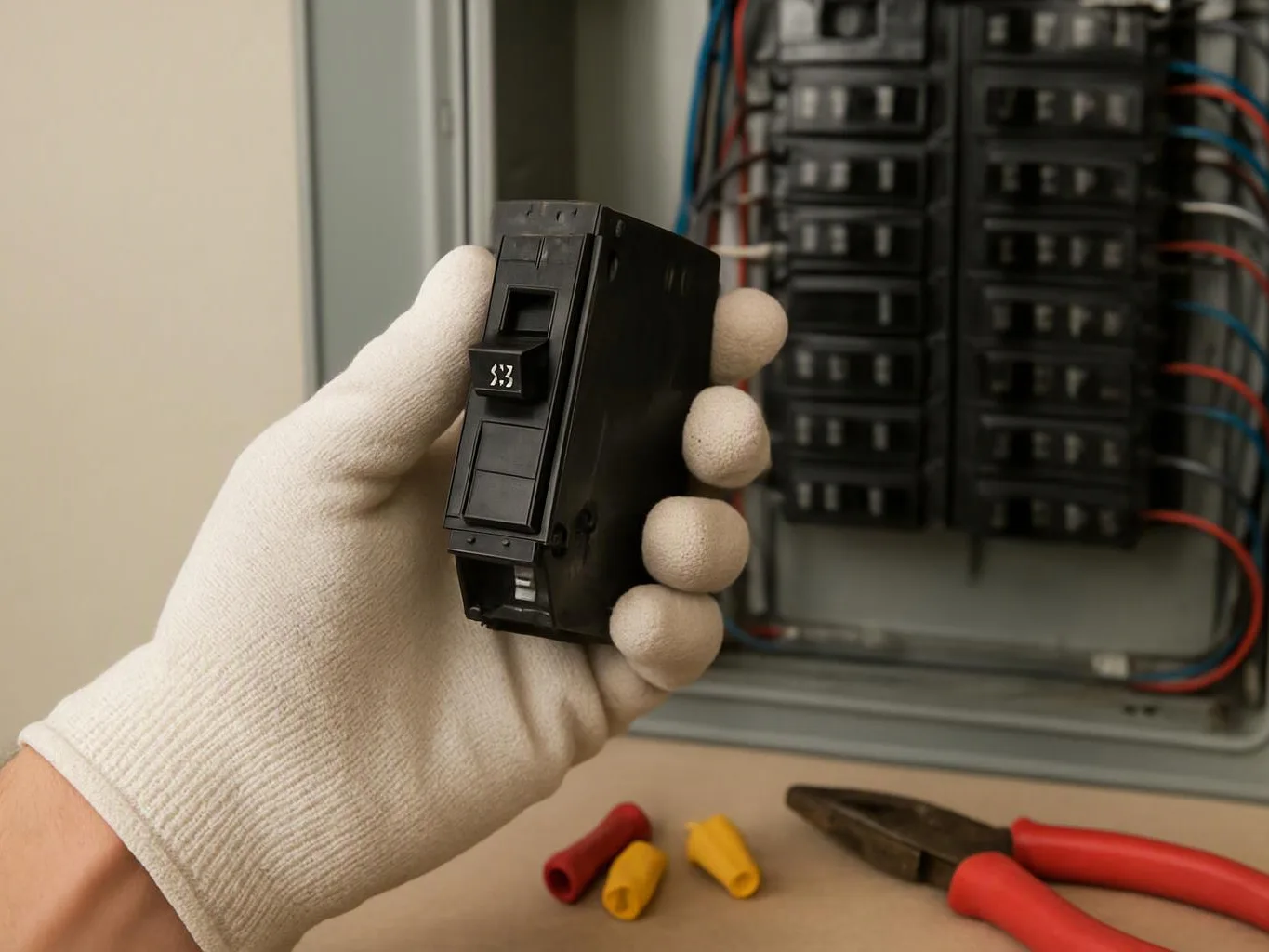
Detector work becomes an electrical repair when the inspection finds damaged wiring, a faulty circuit, or a power problem. We identify that issue during the installation assessment and explain the separate repair scope. The detector installation can then be planned around the condition of the electrical system.
Why should installed smoke detectors be tested?
Testing confirms that each installed detector responds through its test function and has the expected connection. We test the unit after installation and check the surrounding wiring. Testing does not replace routine battery or detector maintenance, but it gives the customer a direct check of the completed work.