Why does a light switch feel warm?
High wattage can make a switch warm, but loose wiring, damaged contacts, or an overloaded circuit can also cause heat. Turn off the circuit if the plate feels hot, smells burnt, sparks, or changes color. Service Electric checks the switch, box, wiring, and connected load before recommending repair.
What does the crew look at first during switch repair?
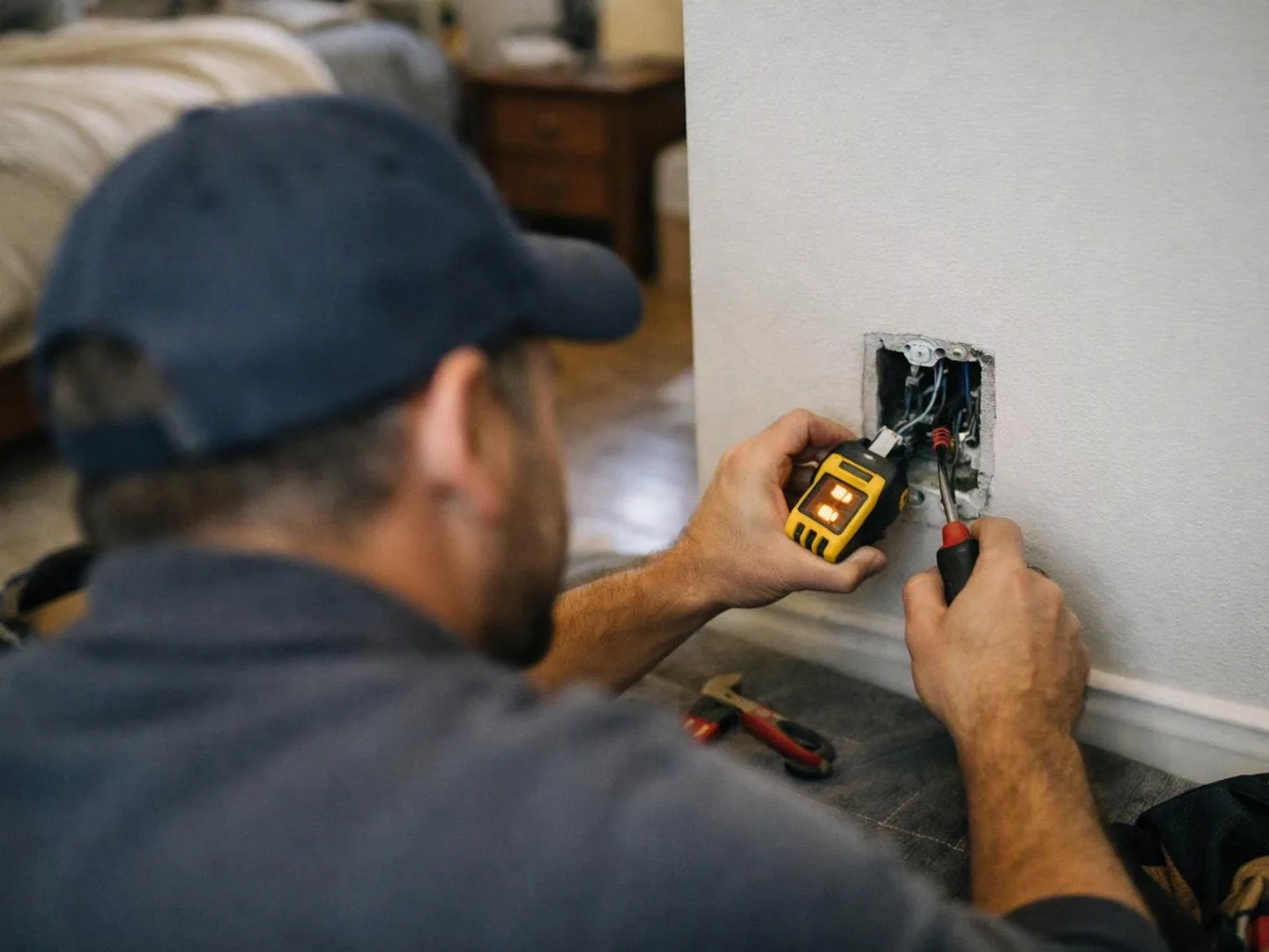
The switch plate, box, wire terminals, and connected light receive the first inspection. We look for heat marks, loose connections, damaged contacts, and signs of overload. Circuit isolation comes before opening the box, and testing follows the repair so the control and light work together.
What should be checked before repair is scheduled?
The warning signs, controlled fixture, circuit behavior, and access to the switch box should be checked before scheduling. Note flickering, warmth, odor, sparks, dead lights, or a breaker that keeps tripping. Photos can help explain the visible condition, but they don't replace an electrical inspection.
Who is a good fit for light switch repair, and who needs another service?
Homes and businesses with a faulty, warm, loose, or worn switch are good fits for this service. A panel fault, service entrance issue, or widespread wiring problem needs broader electrical troubleshooting. We identify that limit during diagnosis and explain the next repair scope.
How does circuit tracing help with a switch problem?
Circuit tracing shows whether the switch fault stays in the box or extends to the fixture and branch wiring. We follow the connected path and test relevant points. This check matters when a switch feels warm, a light flickers, or another outlet behaves poorly.
Which symptoms make a switch repair urgent?
Burning odor, sparks, visible discoloration, or a switch that becomes hot makes the issue urgent. Turn off the affected circuit if you can do so safely and avoid using the control. Service Electric checks for damaged contacts, loose wiring, and overload conditions before restoring operation.