Electrical Troubleshooting for Intermittent Power Problems
Electrical troubleshooting for intermittent power problems helps identify loose connections, overloaded circuits, failing devices, and panel issues; Service Electric checks the affected circuit and recommends the appropriate repair. Free Estimates Available.
Get a Free EstimateWhat Intermittent Power Problems Look Like
Intermittent power problems cause electrical power to cut in and out without a clear pattern. The symptoms may affect one device, one room, or an entire electrical circuit.
Our team uses the symptoms to narrow the affected area before completing electrical troubleshooting.
What Causes Power to Cut In and Out?
Power cutting in and out usually results from a connection, device, wiring, or protection problem. The correct repair depends on where the electrical fault occurs.
We trace the affected circuit and check each likely source so the repair addresses the cause, not only the symptom.
What You Can Safely Check First
Safe homeowner checks can identify an obvious tripped breaker, reset GFCI outlet, damaged cord, or overloaded connection, but exposed wiring and energized components require Service Electric.
Use the following checklist only when you can inspect the item without removing covers or touching wiring.
Do not remove an outlet cover, open the electrical panel, or test exposed conductors. We handle energized components and hidden faults as part of a controlled electrical safety assessment.
How Service Electric Troubleshoots Intermittent Power
Service Electric traces the affected circuit, checks connections and protective devices, isolates the fault, and explains the repair needed.
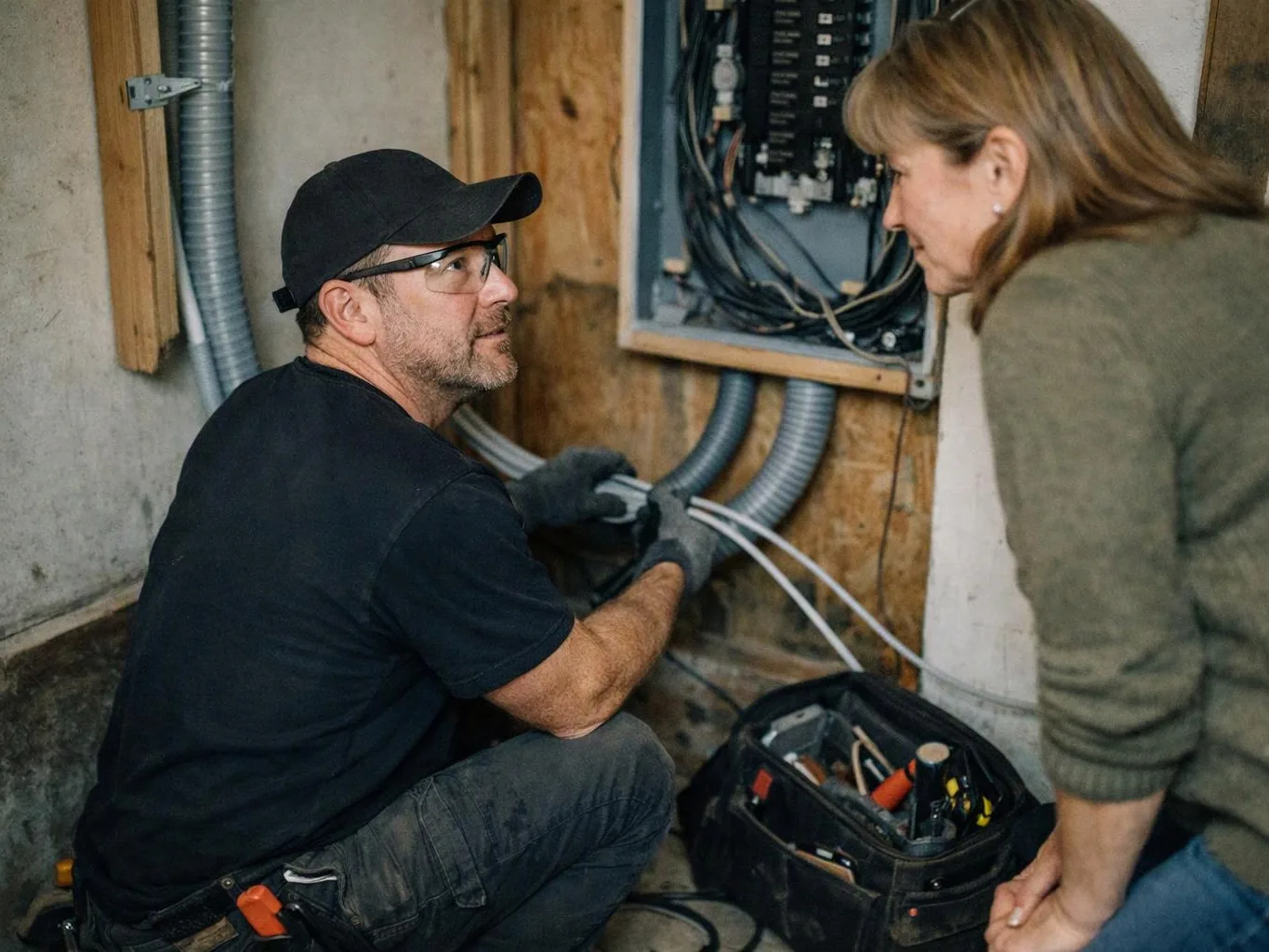
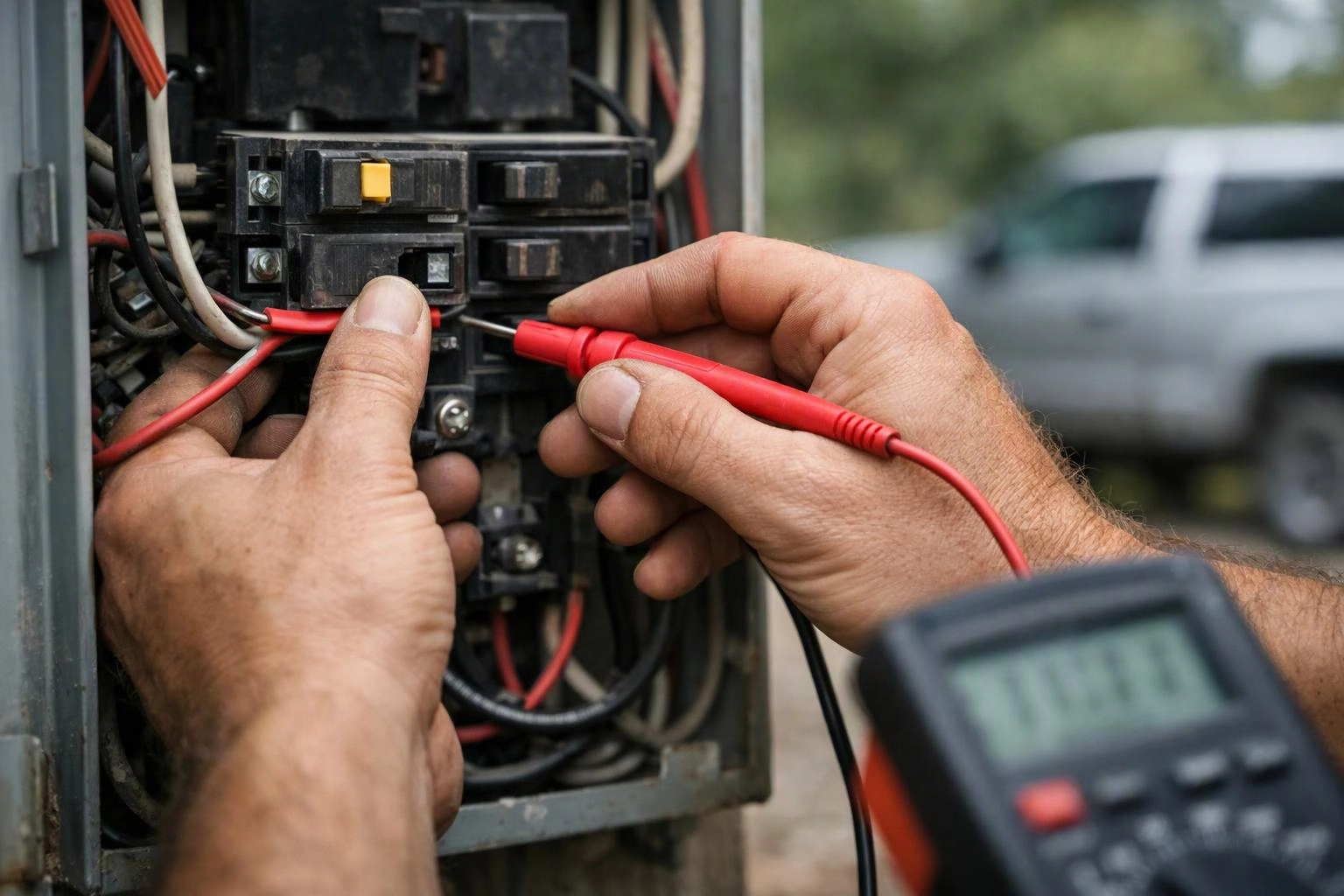
Our electrical troubleshooting process starts with the reported symptoms and the devices affected. We use circuit testing, voltage testing, and continuity testing to determine whether the problem involves a loose connection, damaged wiring, a device, or the electrical panel.
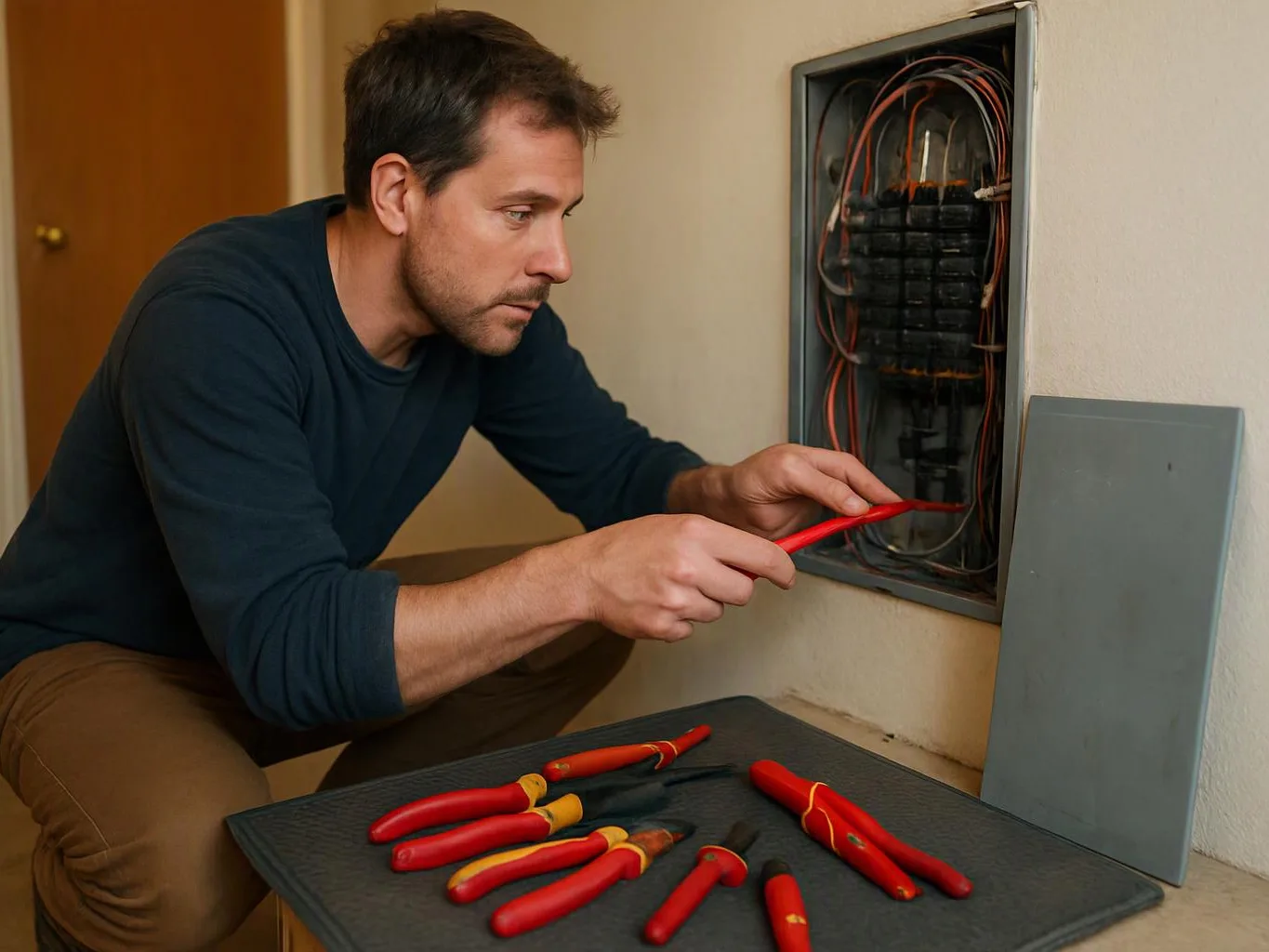
After fault isolation, we explain whether the circuit needs electrical wiring repair, electrical panel repair, or a component replacement. Our team also checks the repair area for safe operation before completing the work.
Electrical wiring repair may involve correcting a loose wire, repairing damaged conductors, or replacing an unsafe connection. The repair scope depends on the location and condition of the fault.
Troubleshooting Flickering Lights
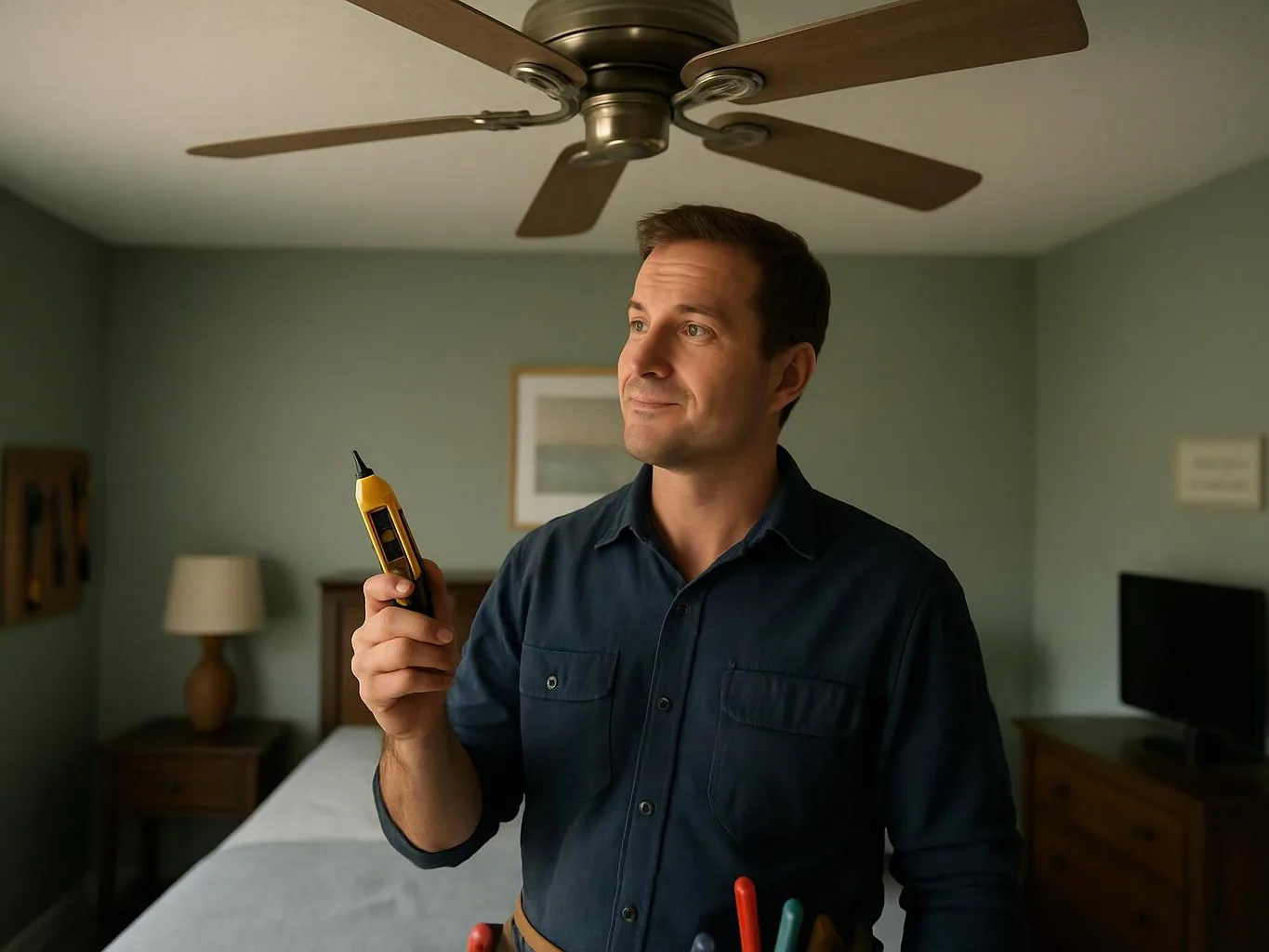
Flickering lights can result from a loose connection at the light fixture, light switch, or lighting circuit. The symptom can also appear when another device creates a power fluctuation on the same circuit.
We inspect the fixture and switch connections, test the lighting circuit, and complete light switch repair when the switch is the source of the fault.
Troubleshooting Dead Outlets
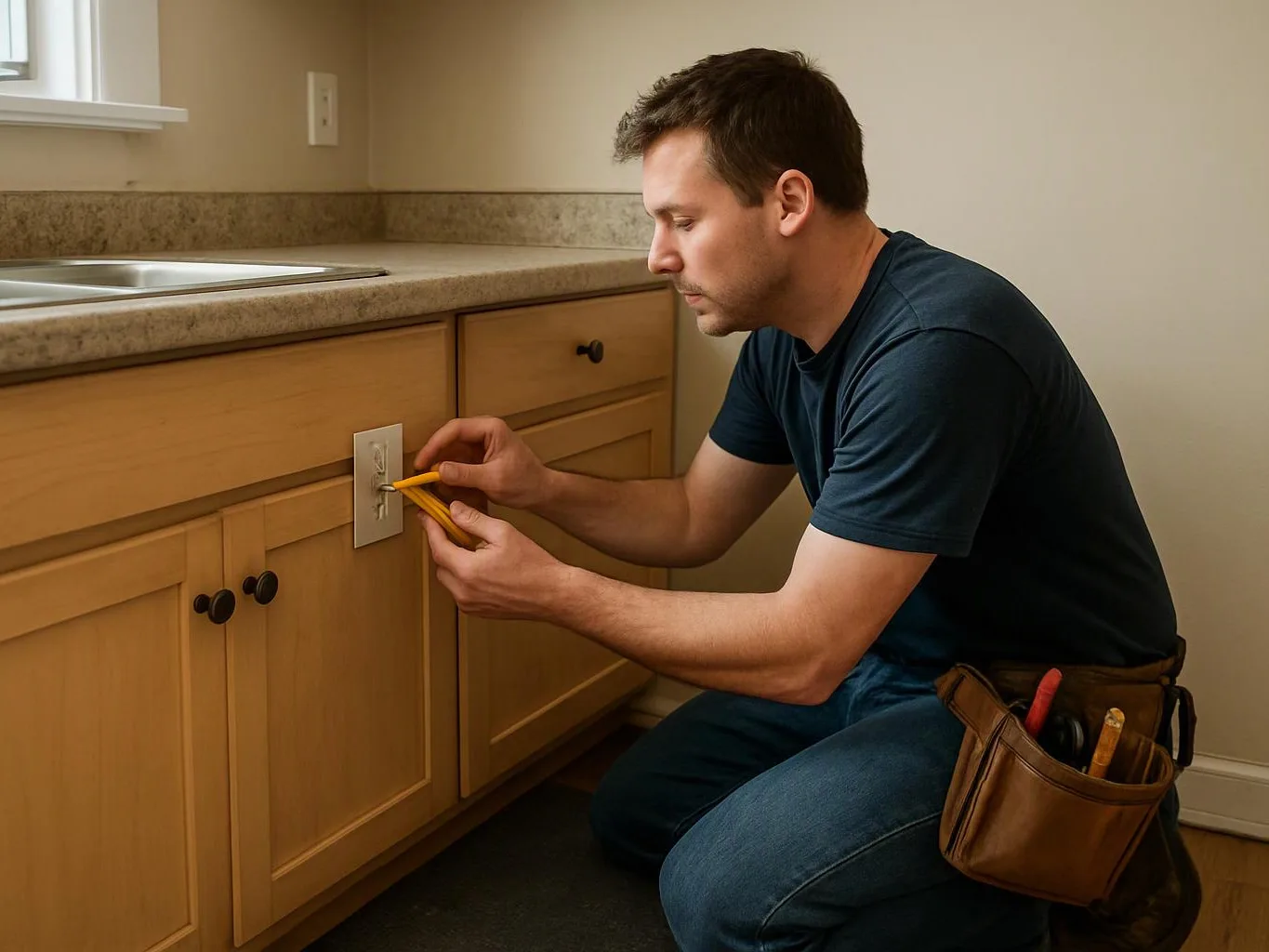
Dead outlets can result from lost GFCI protection, a tripped circuit breaker, failed outlet wiring, or a faulty receptacle. A working nearby outlet does not prove that the dead outlet is safe to open or use.
Our team checks the circuit path and protective devices before recommending outlet repair or replacement.
Troubleshooting Unusual Electrical Sounds
A buzzing outlet or crackling switch can indicate a loose connection or electrical arcing. These sounds require prompt attention because heat can build where current crosses an unsafe gap.
We identify the source, make the circuit safe, and explain the repair needed to restore electrical safety. Stop using the affected device if the sound continues.
When Intermittent Power Becomes an Electrical Hazard
Intermittent power becomes an electrical hazard when the problem includes heat, burning odors, smoke, sparks, visible damage, or repeated breaker trips; stop using the affected circuit and contact Service Electric.
A burning smell, smoke, or visible spark can indicate overheating or electrical arcing. An electric shock is also a warning that current may be reaching an unsafe path.
Turn off the affected circuit only if you can do so without touching damaged equipment or standing in a hazardous area. We inspect the fault and recommend the repair needed to reduce the fire hazard.
How to Prevent Recurring Power Problems
Preventing recurring power problems starts with reducing stress on the electrical circuit and replacing unsafe devices. Simple observations can help you spot changes before a larger fault develops.
We can assess repeated symptoms and recommend electrical maintenance when the cause is not visible during normal use.
How Intermittent Power Affects Home Office Equipment
Intermittent power can shut down computers, monitors, and network equipment without warning. Repeated interruptions may interrupt work, damage equipment, or contribute to data loss.
Unplug sensitive home office equipment when the affected outlet shows heat, sparks, smoke, or visible damage. A surge protector can add protection from some disturbances, while a dedicated circuit may help when shared load is causing the problem.
We test the circuit serving the equipment and look for voltage changes, loose connections, or overload conditions. Our repair recommendation is based on the fault and the equipment that needs reliable power.
What an Electrical Troubleshooting Quote Covers
The electrical troubleshooting quote depends on the affected circuit, access to the fault, testing required, damaged components, and the repair scope; Service Electric provides free estimates available for the recommended work.
Diagnostic work identifies the affected area and helps locate the fault. The quote explains the repair scope, replacement parts, electrical wiring repair, outlet repair, light switch repair, or electrical panel repair that may be needed.
We explain what our team found and what the recommended work addresses. Free Estimates Available for the recommended work.
Questions About Intermittent Power Problems
Why do my lights flicker when an appliance turns on?
Lights can flicker when an appliance changes the load on a shared electrical circuit or when a loose connection causes a voltage drop. Service Electric tests the lighting circuit and connected load to locate the fault.
Why does one outlet keep losing power while the others work?
One outlet can lose power because of GFCI protection, a loose connection, a failed receptacle, or a problem in the circuit path. We test the outlet and the upstream devices before completing outlet repair.
Can a tripped GFCI outlet cause intermittent power?
Yes, a tripped GFCI outlet can interrupt power to itself and other outlets connected to its protection. Press the reset button only when the outlet is dry and undamaged, then contact us if the GFCI trips again.
Should I unplug home office equipment during intermittent power problems?
Yes, unplug home office equipment when the outlet or cord shows heat, smoke, sparks, or visible damage. We can test the circuit before you reconnect computers, monitors, or network equipment.
What should I do if an outlet buzzes or feels warm?
Stop using an outlet that buzzes or feels warm, and turn off the circuit only if you can do so safely. Our team checks for a loose connection, overload, arcing, or damaged outlet wiring.
Contact Service Electric for electrical troubleshooting when intermittent power continues, a protective device trips repeatedly, or you see heat, smoke, sparks, or visible damage. We will review the affected circuit and explain the appropriate repair.
Request electrical troubleshooting