Repair vs Full Replacement for 24 Hour Electrician: Cost, Lifespan & Best Fit — Victoria, Texas
Electrical troubleshooting for repair versus full replacement depends on whether the fault is isolated or reflects broader deterioration. Service Electric checks the affected system, explains the repair and replacement paths, and provides Free Estimates Available.
Get a Free EstimateRepair or Full Replacement: Which Fits the Electrical Problem?
Electrical repair fits an isolated, safely repairable fault, while full replacement fits widespread deterioration, repeated failures, or an electrical system that cannot be safely restored through a limited repair.
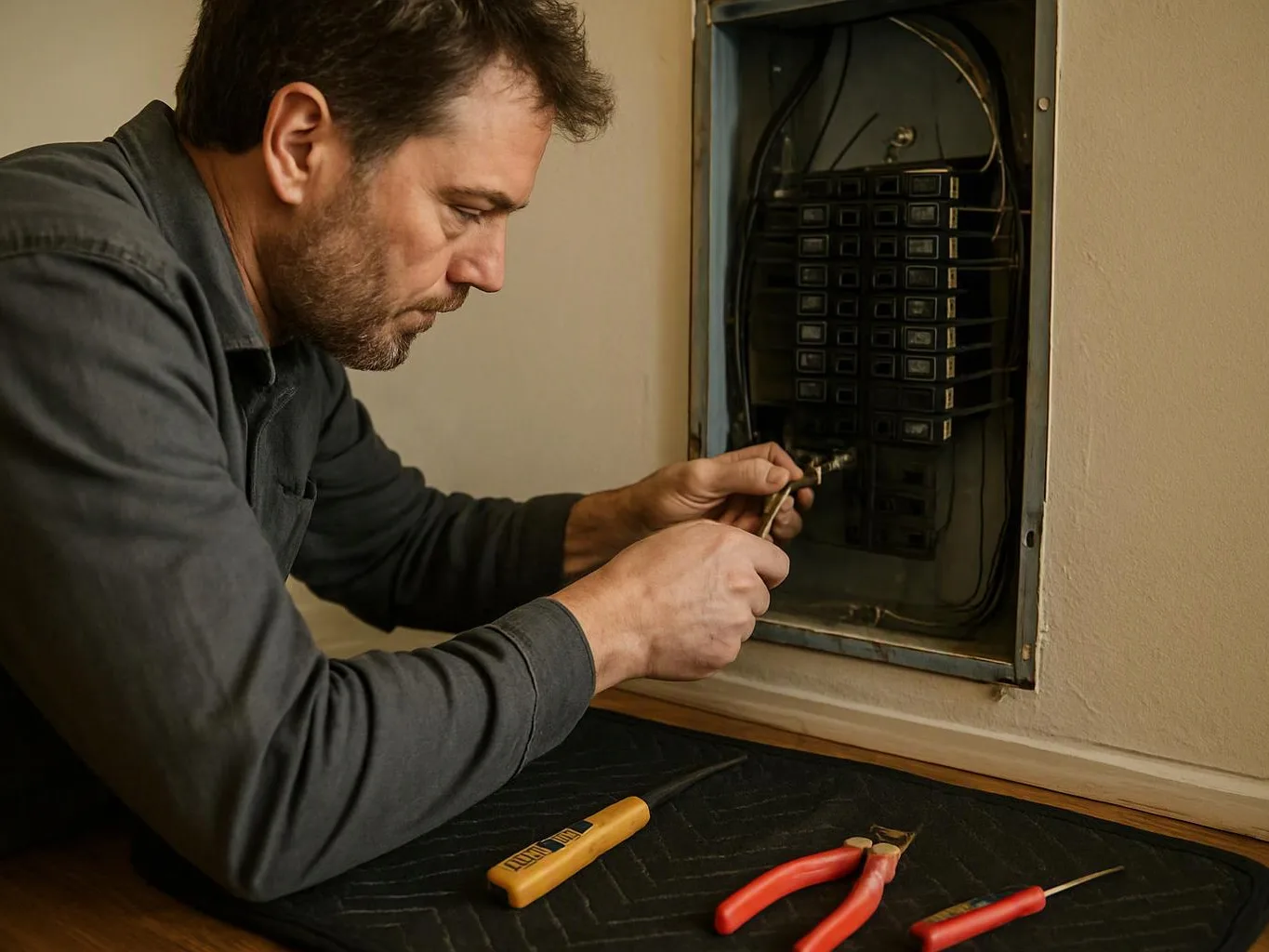
An electrical fault may involve one circuit breaker, outlet, switch, connection, or section of wiring. We use electrical troubleshooting to identify the fault and assess electrical safety before choosing a repair option.
Full electrical replacement becomes more suitable when system-wide deterioration affects several components or when damaged wiring makes a limited fix unreliable. We explain what we find and connect the recommendation to the condition of the electrical system.
- Choose repair when the fault is contained and the surrounding components remain suitable for safe service.
- Choose full replacement when deterioration, capacity limits, or repeated failures extend across the system.
Repair vs Full Replacement at a Glance
Repair usually limits the work to the failed component, while full replacement addresses a larger portion of the electrical system and generally involves more planning, installation, and follow-up. The right choice depends on the inspection and the scope of work.
| Factor | Repair | Full replacement | Best fit |
|---|---|---|---|
| Cost drivers | Usually narrower labor and material scope | Usually broader labor, material, access, and installation scope | The option that safely addresses the diagnosed fault |
| Project timeline | Usually more limited work | Usually more planning and installation | The scope that matches the system condition |
| Maintenance | Keeps suitable existing components in service | Reduces reliance on deteriorated components | The option that supports safe future access |
| Best fit | An isolated electrical fault | System-wide deterioration or capacity limits | A finding supported by inspection and diagnosis |
When Electrical Repair Is the Better Fit
Electrical repair is the better fit when our inspection identifies a contained fault and the surrounding wiring, connections, and equipment remain suitable for safe service.
We handle circuit breaker repair, outlet repair, light switch repair, and electrical wiring repair when the fault diagnosis supports a targeted solution. We also check for related damage that could make a simple component replacement unsafe.
For a focused assessment, our Electrical Troubleshooting service helps connect the reported symptom to the affected circuit and repair scope.
Advantages of Repair and Its Best-Fit Verdict
A targeted repair can preserve sound parts and keep the work focused. We still inspect maintenance access and nearby components before confirming that limited work is appropriate.
Best for: A contained fault with safe, serviceable surrounding components.
When Full Electrical Replacement Is the Better Fit
Full electrical replacement is the better fit when damage, deterioration, capacity limits, or repeated faults extend beyond one repairable component.
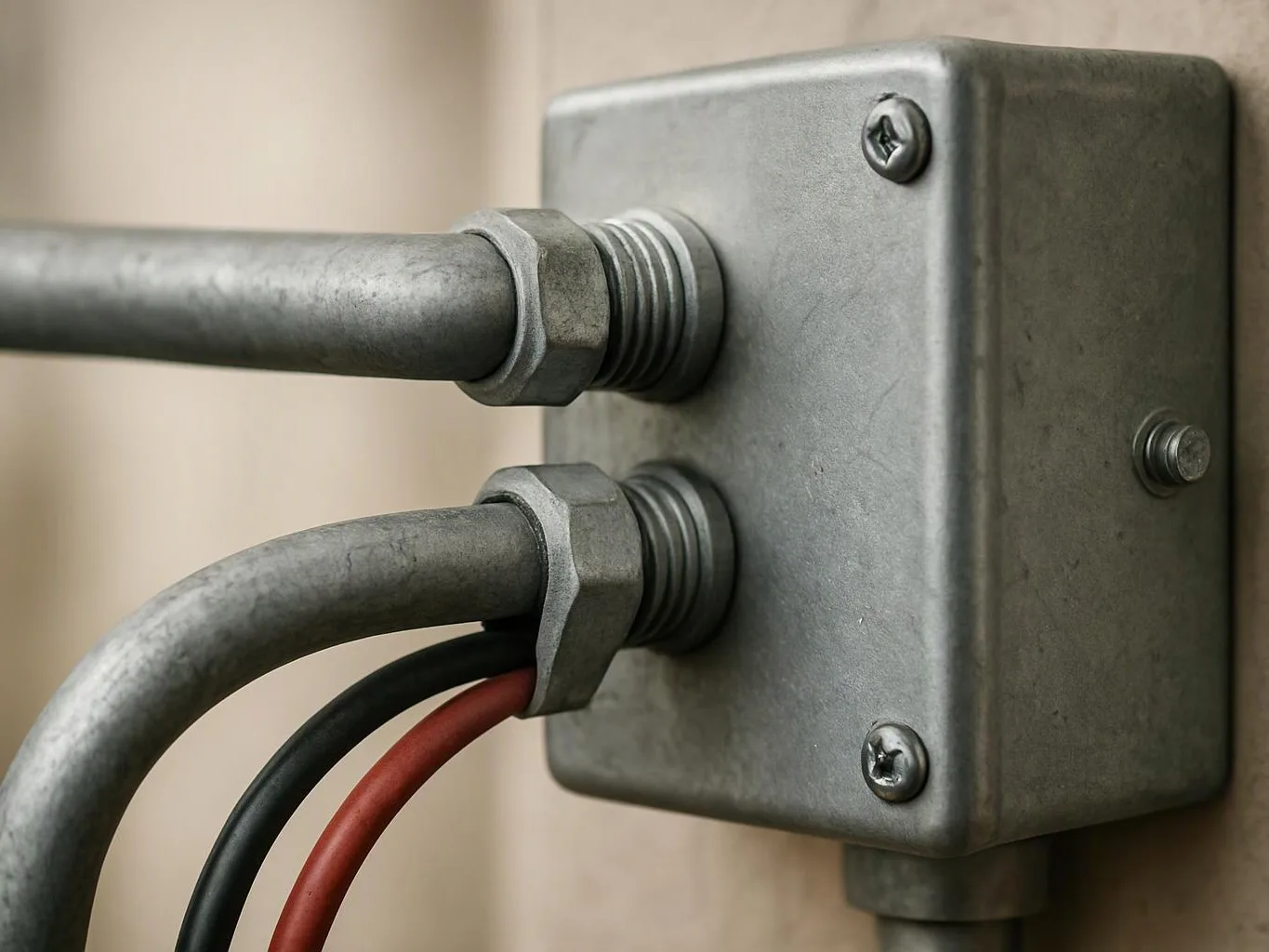
We may assess electrical panel replacement, a service upgrade, or whole-home rewiring when the electrical panel condition, obsolete wiring, or circuit capacity creates a broader concern. Repeated electrical failures and overloaded circuits can also point to a system-level need.
Our replacement recommendation is based on the wiring assessment, the condition of connected equipment, and the amount of the system affected. We separate necessary work from optional improvements in the proposed scope.
Advantages of Full Replacement and Its Best-Fit Verdict
Full replacement addresses a broader condition when isolated repairs would leave deteriorated or undersized components in service. We plan the installation around system capacity, wiring condition, and future electrical demand.
Best for: Widespread deterioration, recurring faults, obsolete wiring, or an overloaded electrical system.
What Changes the Cost of Repair or Replacement on This Job?
The cost of repair or replacement depends on the failed component, the extent of damage, access conditions, required materials, and whether the work affects one circuit or the wider electrical system.
We review the fault location, damage extent, access to wiring, electrical panel condition, and circuit capacity before preparing a quote. Materials and labor scope can change when wiring must be opened, extended, protected, or replaced.
Our quote explains the affected components and scope of work. We provide Free Estimates Available after reviewing the repair option and replacement option for the diagnosed condition.
How Lifespan and Maintenance Differ After the Work
Repair preserves suitable existing components, while full replacement reduces reliance on deteriorated components; both outcomes depend on installation quality, operating conditions, and future fault detection.
Component lifespan can be affected by recurring faults, connection condition, moisture exposure, and surge damage. We look for these factors during the inspection so the selected work does not ignore a related cause.
Electrical maintenance includes watching for heat, unusual sounds, damaged covers, recurring breaker trips, or changes after water exposure or a power surge. Contact us when these signs appear so we can assess the condition safely.
How We Inspect the Problem Before Recommending Repair or Replacement
Electrical troubleshooting starts with a structured inspection that connects the reported symptom to the affected equipment and wiring.
Our team uses the findings to separate an isolated fault from system-wide deterioration. This approach helps keep the recommended work tied to electrical safety.
What Victoria, Texas Conditions Can Mean for Electrical Repairs?
In Victoria, Texas, hot and humid conditions, thunderstorms, lightning, and seasonal heavy rainfall can make moisture exposure, surge damage, and outdoor wiring condition important parts of the repair-versus-replacement assessment.
Hot, humid conditions can accelerate deterioration of exposed wiring and moisture-exposed components. We give closer attention to outdoor electrical equipment, exposed wiring, and ground-fault protection when those conditions affect the property.
Thunderstorms and lightning can create power surges, outages, and storm-related electrical faults. Our urgent troubleshooting checks equipment that may have experienced surge damage before we recommend component repair or broader replacement.
Seasonal heavy rainfall can increase water intrusion around outdoor electrical equipment and exposed wiring. We assess affected outlets, lighting, and other exterior components for safe repair conditions.
How to Request an Exact Electrical Repair or Replacement Quote
Service Electric provides Free Estimates Available after reviewing the electrical problem, the affected components, the work scope, and the repair or replacement options.
Contact us with the symptoms, recent storm or water exposure, and any known breaker or outlet changes. We use that information to plan the electrical inspection and explain what the quote includes.
Request service through Service Electric for Electrical Troubleshooting and a clear path toward repair or full electrical replacement.
Questions About Electrical Repair or Replacement
What signs show that an electrical repair may not be enough?
Repeated electrical failure, damaged wiring, widespread deterioration, an overloaded circuit, or poor electrical panel condition can show that a limited repair may not be enough. Service Electric inspects the affected system before explaining whether repair or full replacement fits the condition.
Can repeated breaker trips indicate a larger replacement need?
Yes, repeated breaker trips can indicate an overloaded circuit, damaged wiring, equipment trouble, or a broader capacity concern. We test the circuit and inspect the electrical panel before recommending breaker repair or replacement work.
How does moisture exposure affect the repair-versus-replacement decision?
Moisture exposure can damage connections, outlets, wiring, and outdoor electrical equipment. We assess water intrusion and related safety concerns to determine whether affected components can be repaired or require broader replacement.
What should an electrical repair or replacement quote include?
An electrical quote should identify the affected components, diagnosis, materials, labor scope, access needs, and whether the work covers one circuit or a wider system. We explain the scope of work and the available repair or replacement path after the inspection.