What causes an outlet to spark or overheat?
An overloaded receptacle can spark or overheat because of loose wiring, damaged contacts, a short circuit, or scorched plastic. Service Electric inspects the outlet, box, circuit, and breaker before repair. Stop using the receptacle if it feels warm, smells burnt, buzzes, or shows visible damage.
Who is a good fit for outlet repair, and who needs a different service?
Outlet repair fits a single faulty receptacle or a focused wiring fault. A panel upgrade, service entrance problem, or whole-home rewiring needs a broader electrical assessment. We inspect the outlet and circuit first, then explain whether the requested repair matches the problem.
What does the crew look at first during outlet repair?
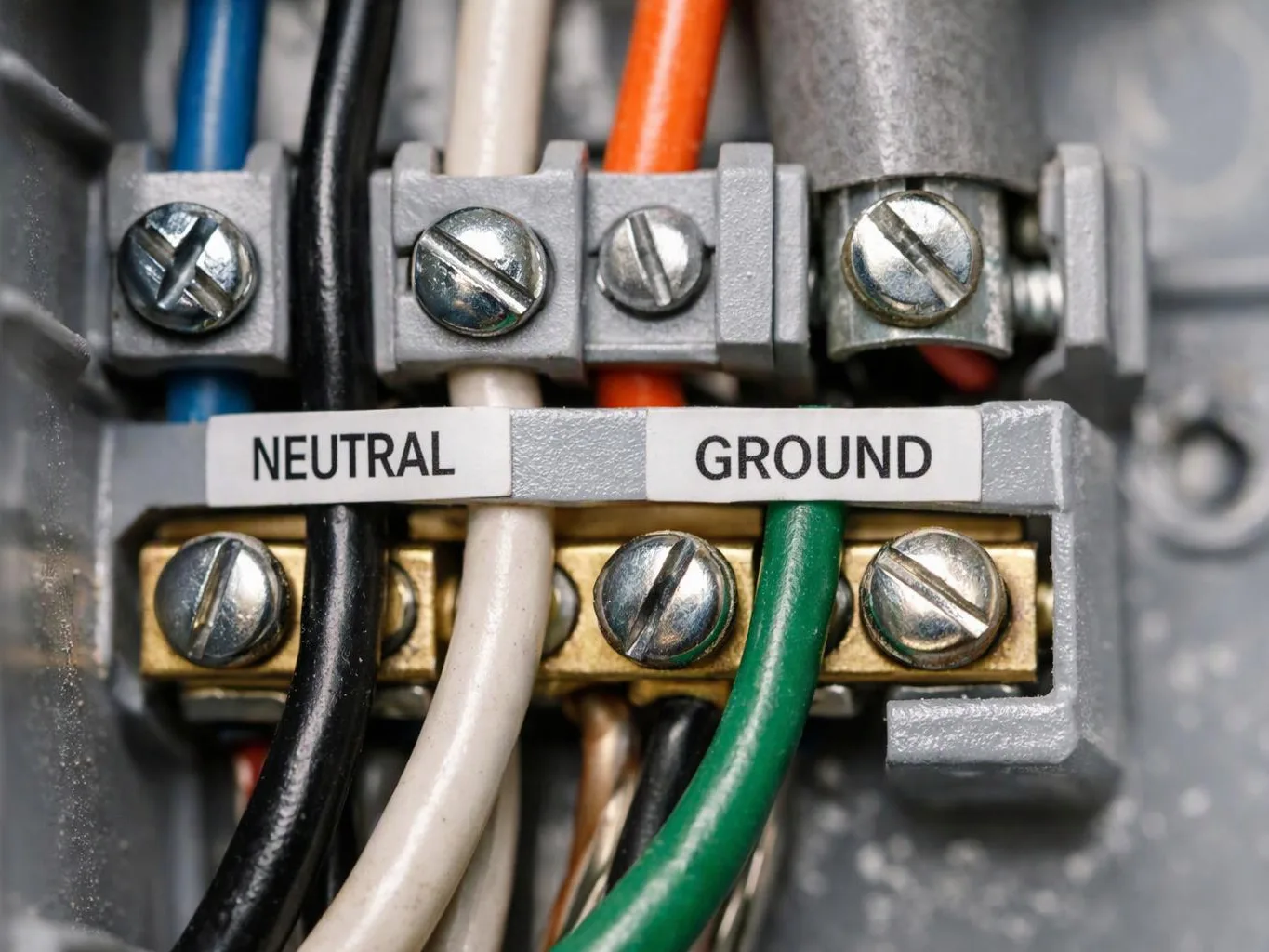
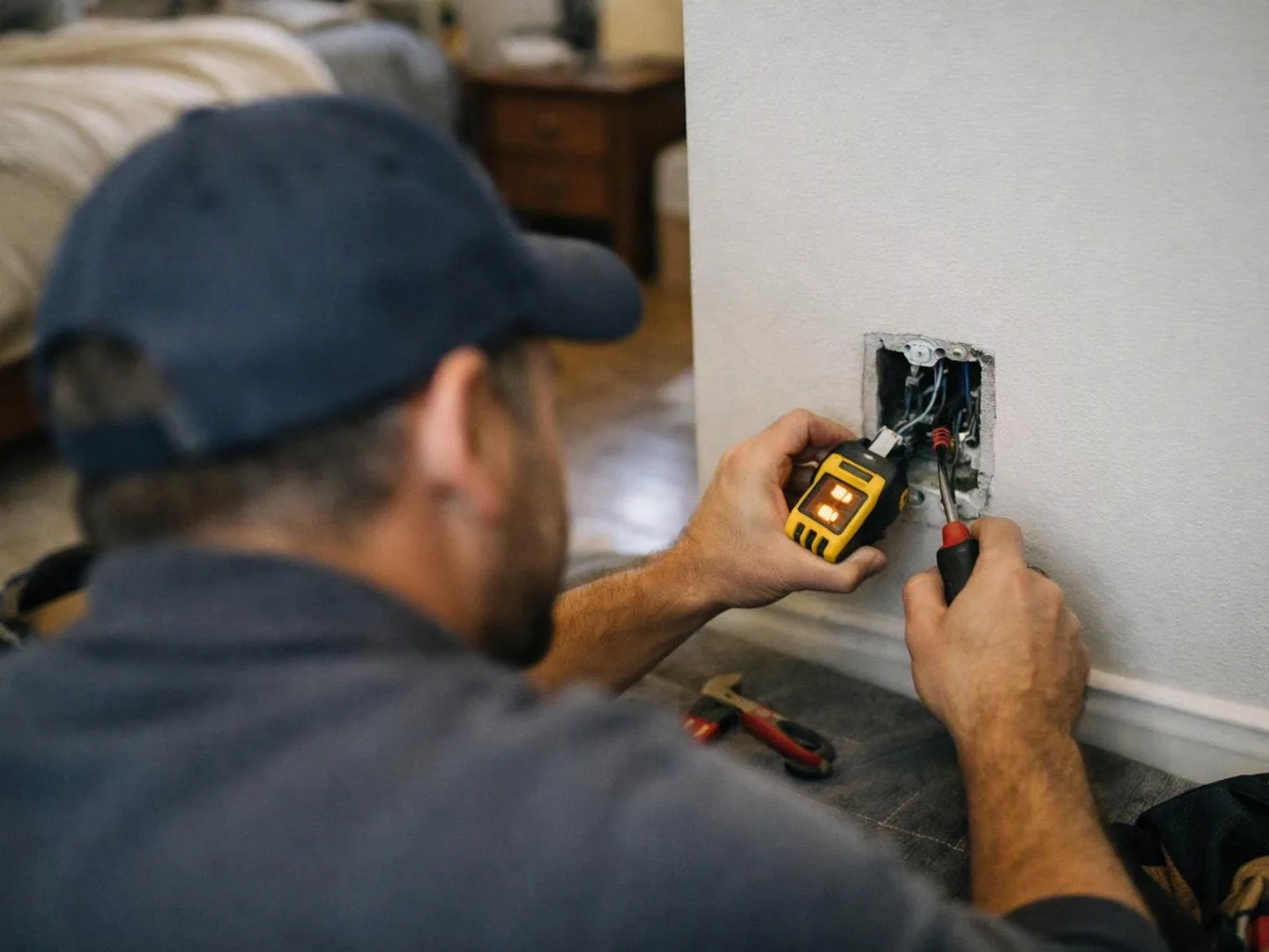
The receptacle, cover, box, terminals, and visible wiring receive the first inspection. Heat marks, loose connections, grounding faults, and damaged contacts guide the next checks. We isolate the circuit before handling wiring, then trace connected outlets when the fault reaches beyond the visible device.
How does the repair process work from inspection to testing?
The process starts with a symptom review and outlet inspection. We then isolate the circuit, trace wiring, check grounding and polarity, set the scope, and complete the approved repair. Testing follows the repair so the outlet and circuit receive a final safety check.
Which part of this job changes the estimate?
The outlet condition, wiring access, circuit damage, grounding needs, and panel involvement change the estimate. A receptacle replacement has a different scope from wiring correction behind the box. We inspect the fault and provide a free estimate before the work begins.
When should I stop using a faulty outlet?
Stop using an outlet when it sparks, feels warm, smells burnt, buzzes, or shows scorched plastic. Leave the affected circuit off when it trips repeatedly. We inspect the receptacle and wiring to determine whether the fault is local or part of a wider circuit problem.
Why might one dead outlet point to a larger electrical issue?
A dead outlet may point to a tripped breaker, failed connection, open wire, or short circuit on the branch circuit. We check nearby receptacles and trace the circuit before setting the repair scope. That check helps separate a single outlet fault from a wiring or panel concern.