How can load testing help limit commercial downtime?
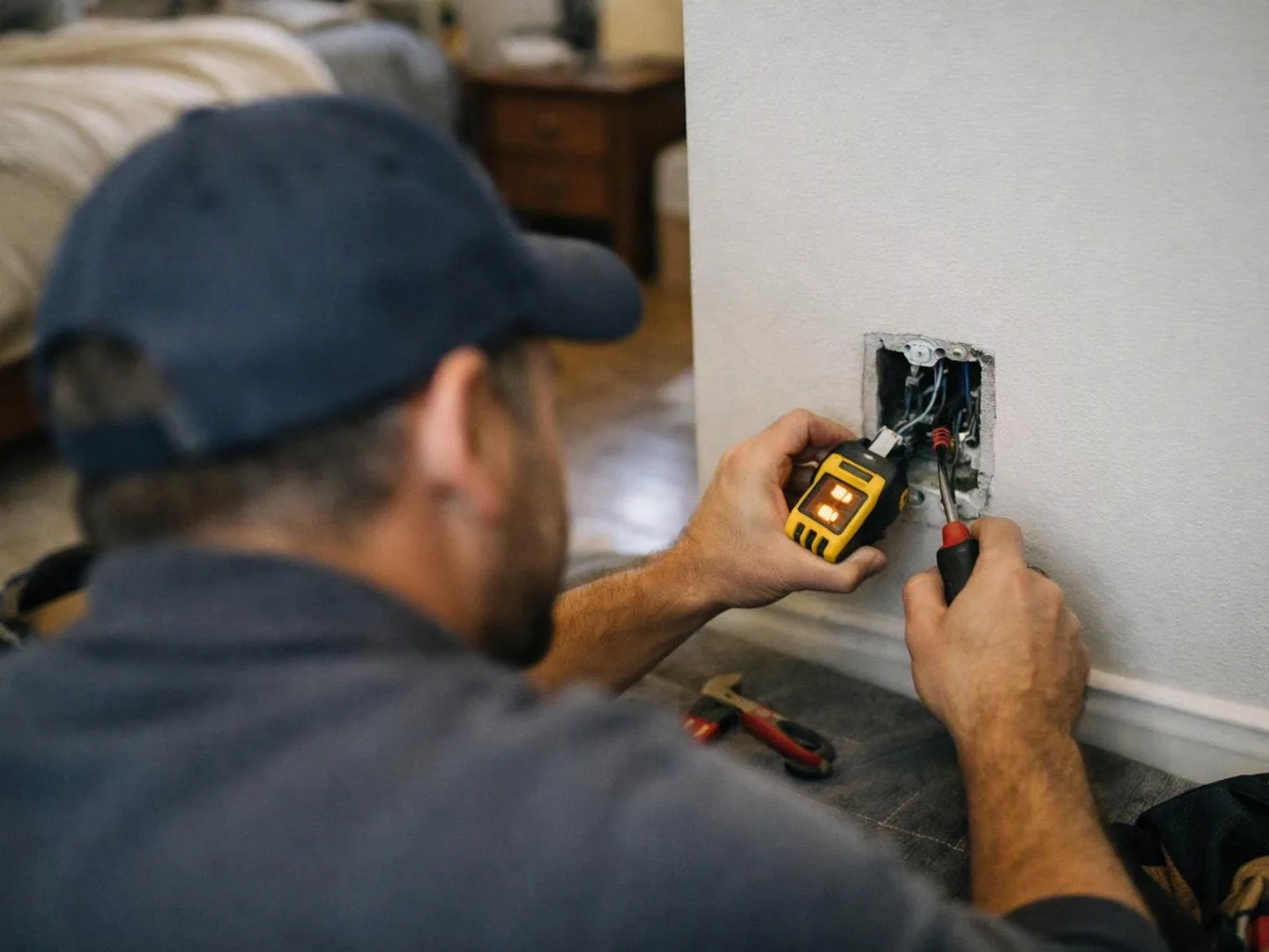
Load testing helps limit downtime by identifying circuits that fail under operating demand before wider repairs begin. Service Electric checks circuit capacity, panel connections, and connected equipment, then isolates the affected area. That focused diagnosis helps define the repair scope and keeps unrelated parts of the property available when possible.
Which property condition changes the repair time?
The condition that most changes repair time is limited access to the panel, wiring, or equipment. Damaged insulation, hidden junctions, crowded panels, and unclear circuit paths add inspection work. We identify access needs during diagnosis and explain the next step before proceeding.
What should be ready before repair work starts?
Access to the electrical panel, affected rooms, and connected equipment should be ready before repair work starts. Useful details include when the fault began, which breaker moved, and what equipment was running. Keep staff away from damaged components and do not reset a breaker that smells hot or shows visible damage.
How is repair work matched to a commercial property?
Repair work is matched to the property through circuit tracing, panel inspection, equipment checks, and load testing. We consider the affected circuit, access points, wiring condition, and business operations. That review separates a component repair from a panel upgrade, service entrance change, or new installation.
What does a commercial emergency repair call include?
A commercial emergency repair call includes a safety check, fault diagnosis, circuit isolation, and a repair recommendation. We inspect the panel, wiring, outlets, switches, or connected equipment tied to the symptom. If a lasting repair needs additional parts or installation work, we explain that scope before approval.
When is a panel upgrade a better fit than repair?
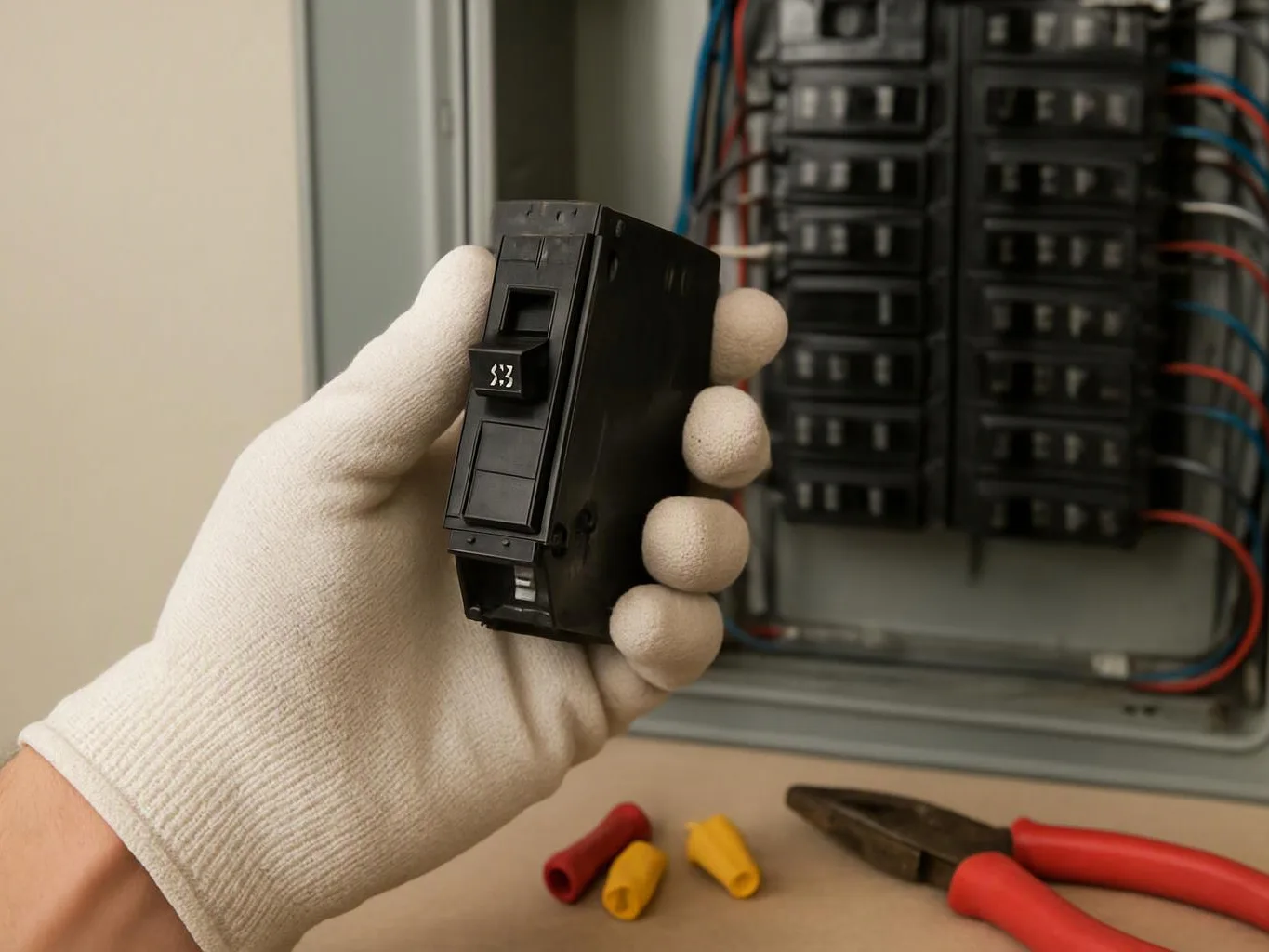
A panel upgrade fits when the existing panel cannot safely support the property’s electrical demand or has damaged capacity. We inspect breakers, connections, service equipment, and circuit needs before recommending that work. A single failed outlet or switch normally calls for focused component repair instead.
Why do commercial lights flicker after equipment starts?
Commercial lights may flicker when equipment demand affects a shared circuit, a connection is loose, or the system has a wiring fault. We check the panel, circuit path, fixtures, and connected load. Stop using equipment that causes heat, buzzing, or visible sparking until the system is assessed.